Thanksgiving is a season of gratitude, abundance, and sharing, and it’s also the perfect time to give back to your garden. One of the best ways to honor the harvest is through composting, turning food scraps and yard waste into nutrient-rich soil that strengthens plants and flowers for future seasons. By practicing smart composting, you can reduce waste, enrich your soil, and create a sustainable garden that thrives year-round.
This guide covers 6 essential composting tips for a grateful Thanksgiving garden, perfect for American gardeners looking to maximize their fall garden’s health and sustainability.
Why Composting Matters for Your Thanksgiving Garden
Composting is more than just a recycling practice—it’s a powerful gardening tool with multiple benefits:
- Reduces Waste: Instead of sending food scraps to the landfill, composting turns them into valuable nutrients.
- Enriches Soil: Compost improves soil structure, drainage, and fertility.
- Promotes Healthy Plants: Nutrient-rich compost supports strong root growth, higher yields, and vibrant flowers.
- Saves Money: Homemade compost reduces the need for chemical fertilizers.
- Encourages Sustainability: Composting is eco-friendly, reducing your carbon footprint while nourishing your garden.
By incorporating composting into your Thanksgiving routine, you can create a healthy, thriving garden that reflects your gratitude for nature’s bounty.
1. Collect the Right Compost Materials
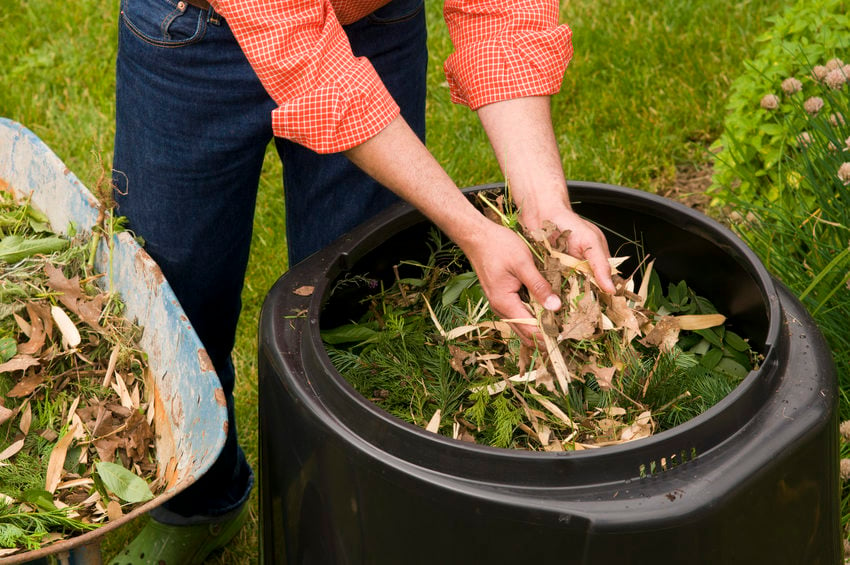
The foundation of successful composting is using the right mix of ingredients, often categorized as “greens” and “browns.”
Greens (Nitrogen-Rich Materials):
- Fruit and vegetable scraps
- Coffee grounds and tea leaves
- Fresh garden trimmings
Browns (Carbon-Rich Materials):
- Dry leaves and grass clippings
- Shredded paper or cardboard
- Straw or hay
Thanksgiving Tip: Use leftover vegetable peels, pumpkin pulp, and Thanksgiving table scraps (excluding meat, dairy, or oily foods) as compost greens.
Why It Works: A balanced mix of greens and browns encourages decomposition and prevents odor, creating rich, fertile compost for your garden.
2. Chop or Shred Materials for Faster Decomposition
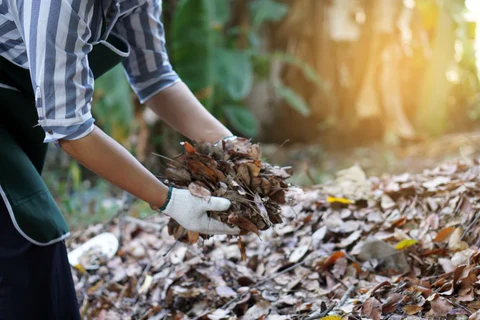
Larger scraps take longer to break down. Chopping or shredding your compost materials speeds up the process and improves soil quality.
How to Do It:
- Cut fruit and vegetable scraps into small pieces.
- Shred leaves, cardboard, or paper before adding to the pile.
- Combine materials evenly to create a uniform mix.
Thanksgiving Tip: Pumpkin and squash rinds can be chopped into smaller chunks for faster breakdown.
Why It Works: Smaller pieces increase surface area for microbes, speeding decomposition and producing usable compost more quickly.
3. Maintain Moisture and Aeration
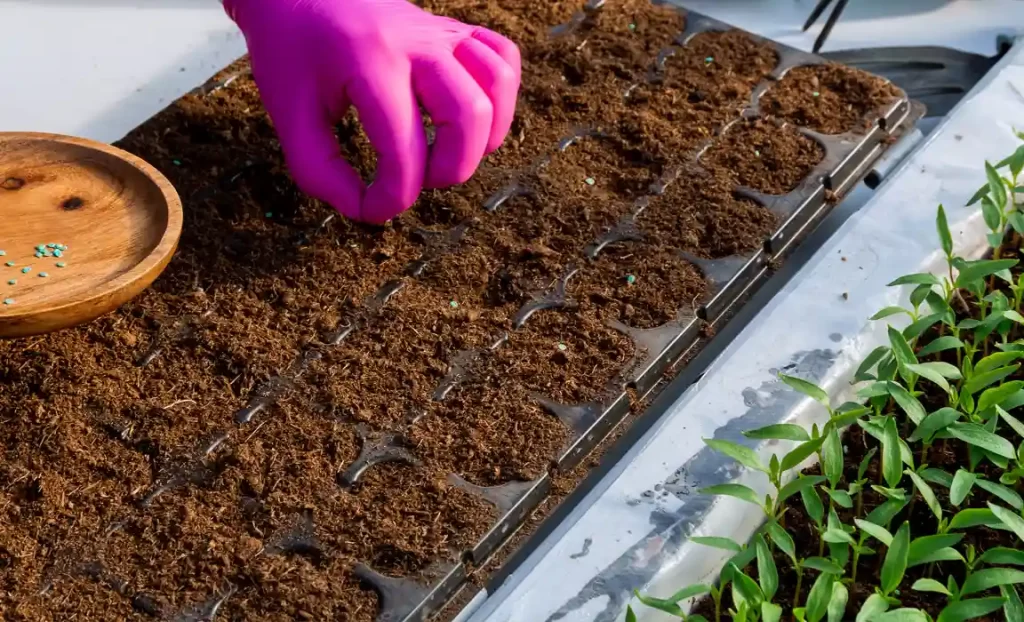
Compost requires moisture and airflow to decompose efficiently. Too dry, and decomposition slows; too wet, and it may become smelly.
Tips for Moisture:
- The pile should feel like a damp sponge, not soaking wet.
- Water dry materials as you build the pile.
- Cover the pile with a tarp during heavy rain to prevent over-saturation.
Tips for Aeration:
- Turn the compost every 1–2 weeks with a garden fork or shovel.
- Aeration introduces oxygen, which supports microbial activity.
- Mixing materials also prevents clumps and compaction.
Why It Works: Proper moisture and airflow accelerate decomposition, reduce odor, and create nutrient-rich compost ready for your garden.
4. Layering for Optimal Composting
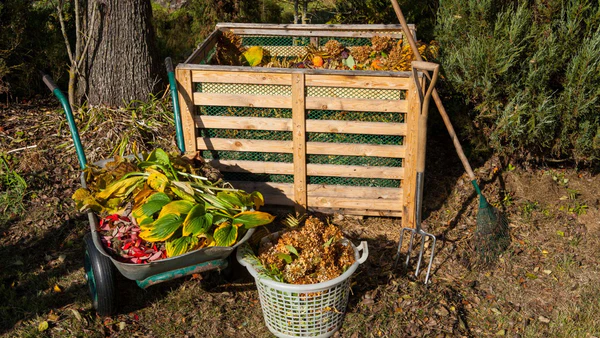
Layering greens and browns is key to creating a balanced, odor-free compost pile.
How to Layer:
- Start with a layer of coarse browns like twigs or straw to allow airflow.
- Alternate between greens and browns, roughly 2–3 inches thick each.
- Finish with a brown layer to cover the pile and prevent pests.
Thanksgiving Tip: Add autumn leaves collected from your yard as browns—these are abundant and perfect for fall composting.
Why It Works: Proper layering maintains nutrient balance, accelerates decomposition, and keeps the compost pile healthy and productive.
5. Manage Temperature for Faster Results
Compost piles generate heat as materials decompose. Monitoring and maintaining the right temperature ensures faster composting and eliminates pathogens and weed seeds.
Optimal Temperature Range:
- 120–160°F (49–71°C) is ideal for active composting.
How to Achieve It:
- Ensure a proper green-to-brown ratio.
- Turn the pile regularly to distribute heat evenly.
- Insulate with straw or a compost bin during colder months.
Thanksgiving Tip: Incorporate warm kitchen scraps gradually to maintain optimal pile temperature during fall.
Why It Works: A warm, active compost pile speeds decomposition, producing nutrient-rich compost in weeks rather than months.
6. Harvest and Use Your Compost
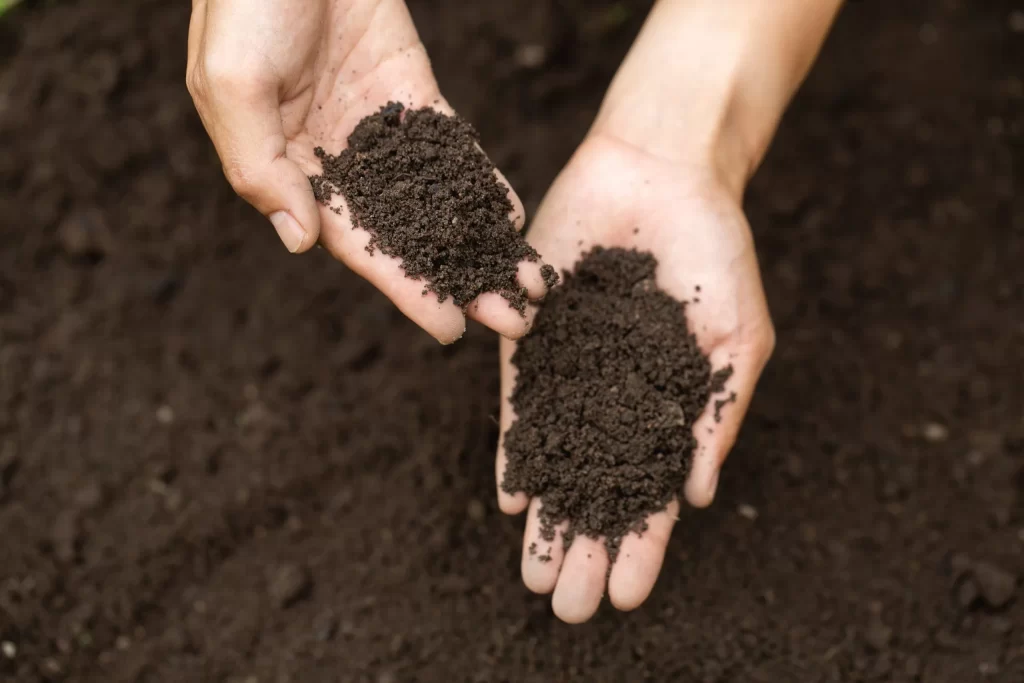
After 2–6 months (depending on pile size and materials), your compost will be ready—dark, crumbly, and earthy-smelling.
How to Use It:
- Mix into garden beds before planting fall or winter crops.
- Spread as mulch around shrubs, trees, and perennials.
- Use in container gardens or herb beds for added nutrients.
Thanksgiving Tip: Use pumpkin and vegetable compost from your Thanksgiving meal to nourish your garden for the next season, closing the loop from harvest to harvest.
Why It Works: Harvested compost enriches soil, improves plant health, and maximizes the value of your seasonal scraps.
Extra Tips for a Grateful Thanksgiving Garden
- Start Small: Beginners can use a compost bin or a small pile; you don’t need a large setup to get started.
- Avoid Problem Materials: Meat, dairy, and oily foods can attract pests. Stick to fruits, vegetables, and plant-based scraps.
- Keep It Covered: Protect your compost from heavy rain, snow, or animals with a tarp or compost bin lid.
- Teach Gratitude Through Composting: Involve children by showing how Thanksgiving leftovers can nurture the garden.
- Combine with Mulching: Use finished compost as a top layer around fall-planted crops to conserve moisture and improve soil structure.
Benefits of Composting for a Thanksgiving Garden
- Reduces Waste: Diverts food and yard waste from landfills.
- Nutrient-Rich Soil: Boosts garden productivity naturally.
- Cost-Effective: Saves on commercial fertilizers and soil amendments.
- Sustainable Gardening: Supports eco-friendly practices and reduces your carbon footprint.
- Family Engagement: Composting projects can be educational, fun, and collaborative.
By composting, you create a cycle of gratitude, transforming Thanksgiving food scraps into healthy soil for next year’s garden.
Why These 6 Tips Are Perfect for American Gardens
These composting tips work well for American homes because they:
- Utilize seasonal ingredients, including Thanksgiving leftovers and fall leaves.
- Fit small or large spaces, whether you have a backyard or container garden.
- Encourage sustainable practices that align with eco-conscious gardening trends.
- Are beginner-friendly, allowing families to participate in the composting process.
- Enhance the health and productivity of gardens for next spring’s planting season.
By following these tips, your Thanksgiving garden can thrive, reduce waste, and grow stronger plants for the holidays and beyond.
Final Thoughts: Cultivate Gratitude Through Composting
Thanksgiving is the perfect time to reflect on abundance and give back to the earth. By incorporating these 6 composting tips, you can transform kitchen scraps and yard waste into rich, fertile soil, nourishing your garden for years to come.
From selecting the right materials to harvesting finished compost, each step of the process supports sustainability, family engagement, and garden health. Composting is more than just a gardening task—it’s a way to celebrate the season of gratitude, honor the harvest, and create a lasting impact on your garden.
This Thanksgiving, give your garden the gift of healthy, nutrient-rich soil, and enjoy the satisfaction of turning waste into life. With mindful composting, your garden will thrive, your plants will flourish, and your Thanksgiving will be truly sustainable, fruitful, and green.