As Thanksgiving approaches, gardens across the U.S. are transitioning from the bright bloom of summer to the cozy, muted tones of fall. This season is not just about harvesting pumpkins and enjoying autumn leaves—it’s also a critical time to prepare your garden for winter. Completing a few key fall gardening routines ensures your plants survive the colder months, your soil stays healthy, and your garden is ready to flourish again in spring.
This guide covers 7 fall gardening routines to complete before Thanksgiving, providing American gardeners with practical, seasonal strategies to protect, nourish, and organize their outdoor spaces.
Why Fall Gardening Routines Matter Before Thanksgiving
Fall gardening is essential because it:
- Prepares Plants for Winter: Protects flowers, shrubs, and perennials from freezing temperatures.
- Prevents Pest Problems: Cleans up debris and reduces hiding spots for insects and rodents.
- Improves Soil Health: Adds nutrients through composting and mulching.
- Boosts Spring Growth: Proper fall care results in stronger, healthier plants next season.
- Enhances Aesthetics: Keeps your garden neat, organized, and ready for autumn décor.
By completing these routines before Thanksgiving, you can enjoy a well-maintained, beautiful fall garden while reducing spring workload.
1. Clean Up Garden Beds
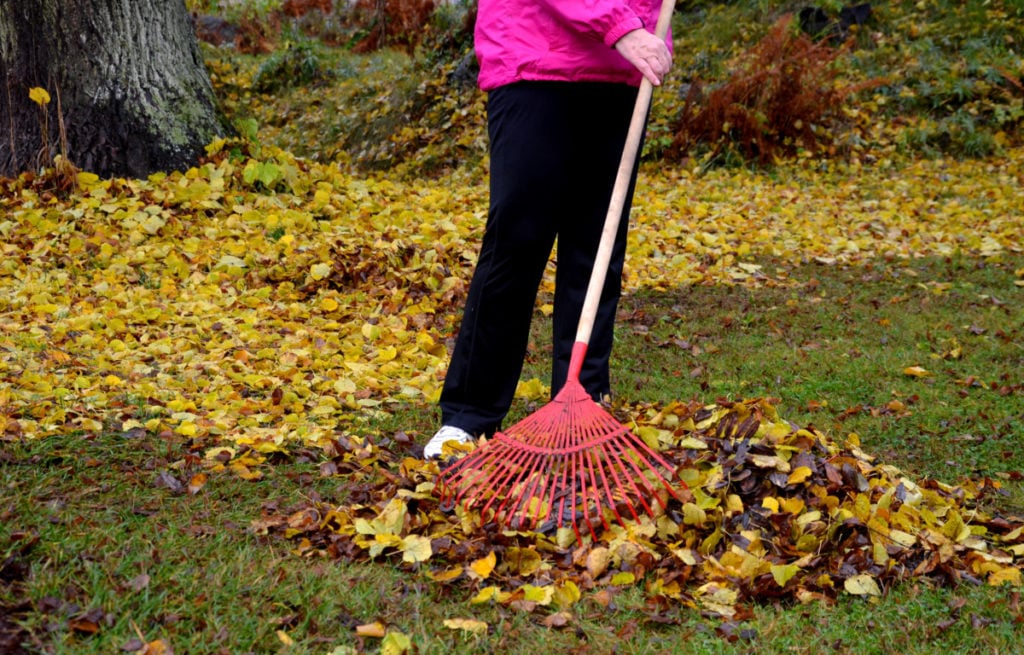
Fall is the perfect time to tidy up your garden beds, removing spent annuals, weeds, and dead plant material.

How to Do It:
- Pull out dead annuals, vegetable plants, and invasive weeds.
- Cut back perennials to prevent disease and pests.
- Remove fallen leaves and debris, but leave some healthy leaves to decompose naturally.
Thanksgiving Tip: Use this opportunity to collect colorful leaves and twigs for autumn crafts or mulch.
Why It Works: Cleaning garden beds reduces disease risk, eliminates pest hiding spots, and creates a tidy space for fall décor or winter planting.
2. Mulch for Soil Protection
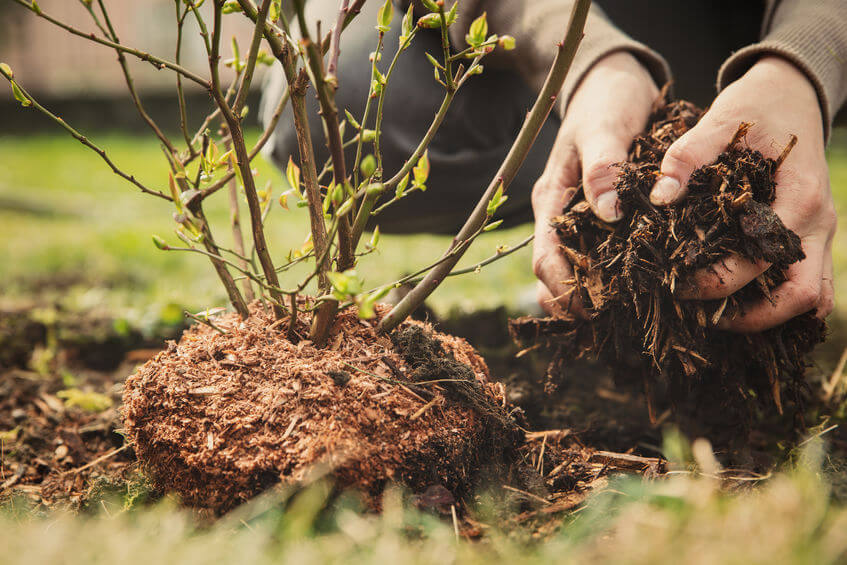
Mulching is one of the most important fall routines, as it insulates soil, preserves moisture, and adds nutrients.
How to Do It:
- Spread 2–4 inches of organic mulch, such as shredded leaves, straw, or bark, around plants and garden beds.
- Keep mulch a few inches away from plant stems to prevent rot.
- Use leftover pumpkin pulp or composted material for added nutrients.
Thanksgiving Tip: Decorate mulch with small gourds or pinecones for a seasonal touch.
Why It Works: Mulch protects roots from frost, reduces soil erosion, and improves soil quality for spring planting.
3. Harvest Late-Season Crops
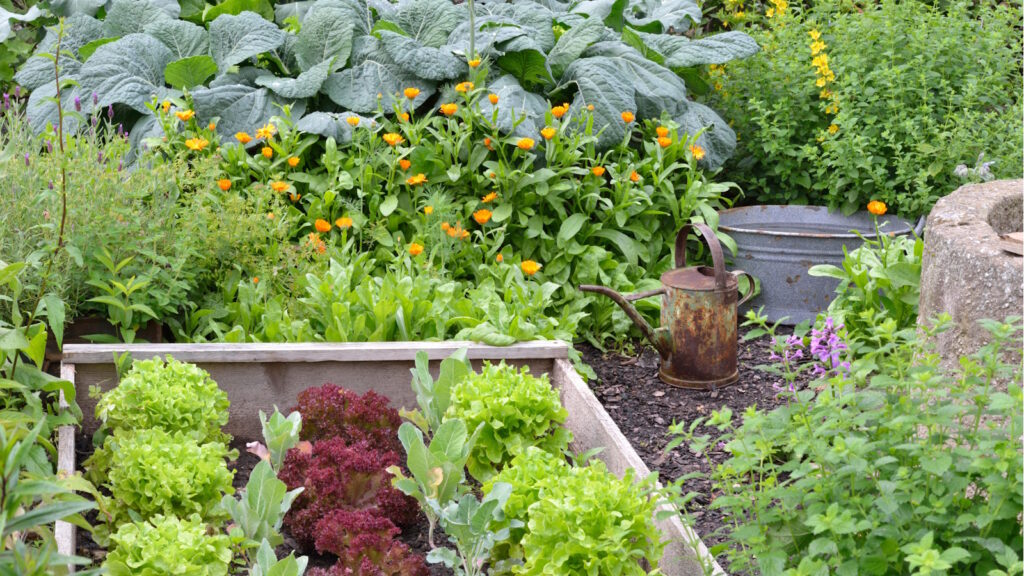
Before the first frost, harvest any remaining vegetables, herbs, and fruits to maximize your garden’s bounty.
How to Do It:
- Pick cold-sensitive crops like tomatoes, peppers, and squash.
- Gather herbs such as parsley, thyme, and sage for holiday cooking.
- Store root vegetables like carrots, beets, and potatoes in a cool, dry place.
Thanksgiving Tip: Incorporate your garden harvest directly into Thanksgiving dishes for fresh, homegrown flavors.
Why It Works: Harvesting late-season crops ensures nothing goes to waste and provides ingredients for seasonal recipes.
4. Prune Trees and Shrubs
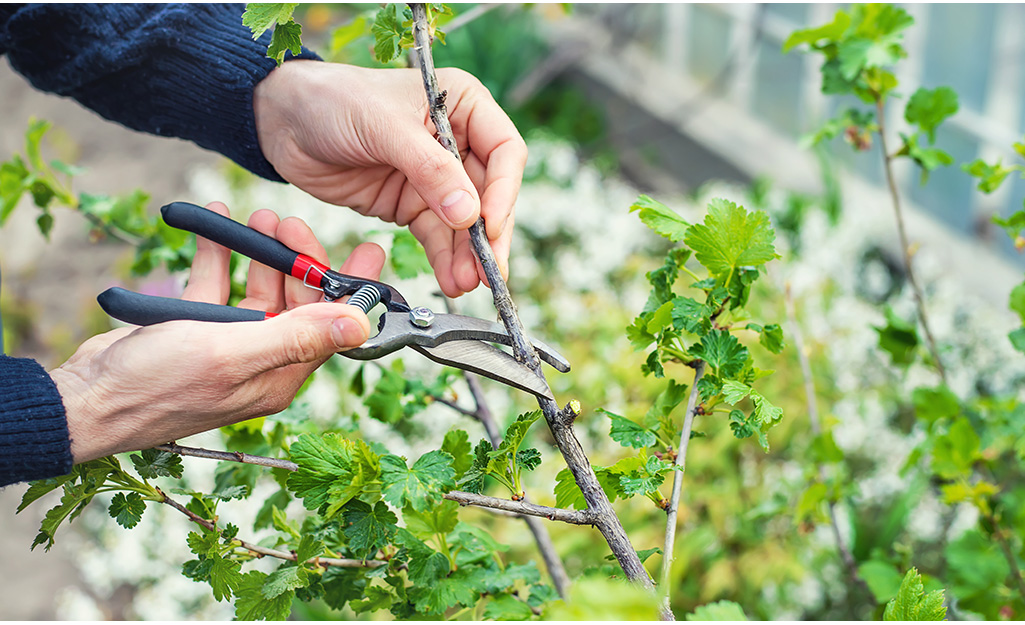
Fall pruning is critical to maintain healthy growth and structure for trees and shrubs.
How to Do It:
- Remove dead, diseased, or damaged branches.
- Cut back overgrown branches to shape plants and prevent breakage from winter snow or wind.
- Avoid heavy pruning of spring-flowering plants—focus on late bloomers and evergreens.
Thanksgiving Tip: Use pruned branches in DIY wreaths or autumn décor.
Why It Works: Pruning prevents disease, promotes healthy growth, and reduces winter damage, keeping your garden strong for the next season.
5. Prepare Compost and Soil Amendments
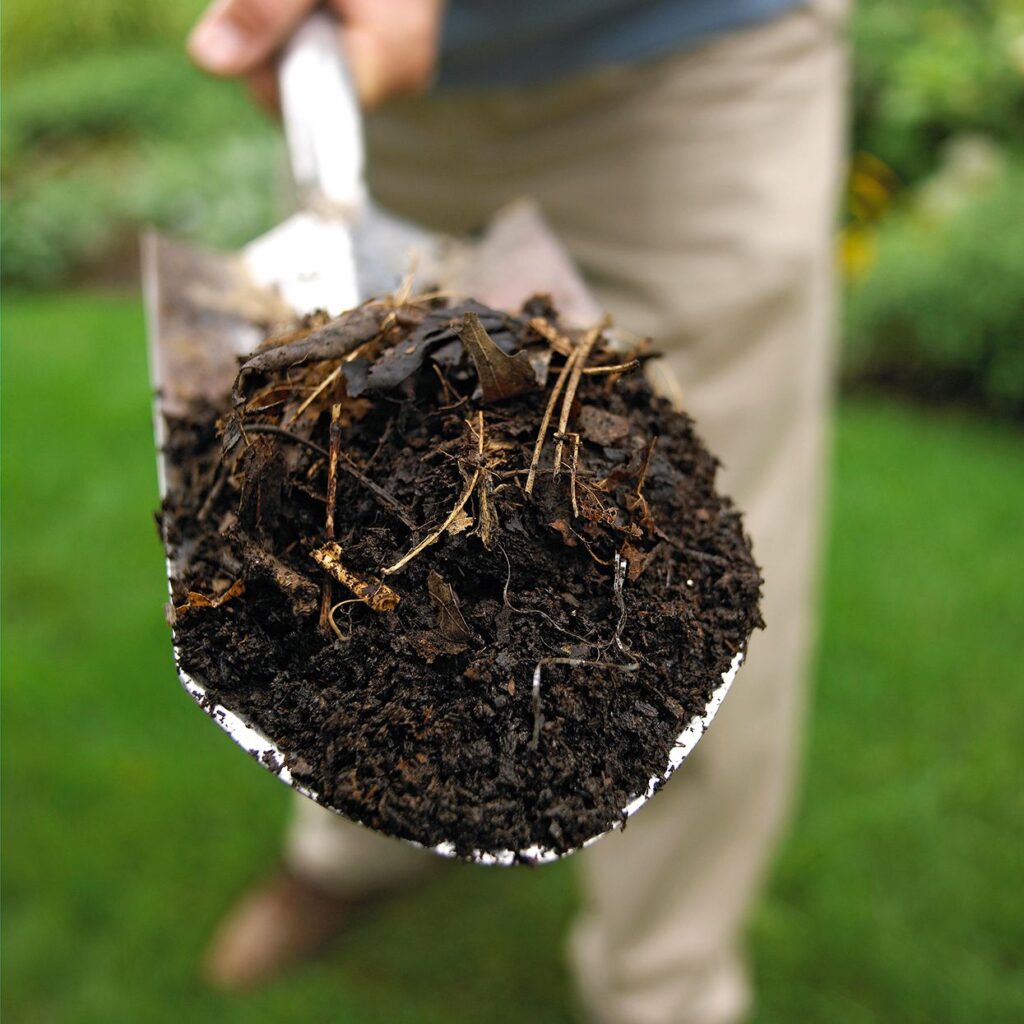
Fall is an ideal time to enrich your soil in preparation for winter and next spring.
How to Do It:
- Collect fallen leaves, vegetable scraps, and garden debris for composting.
- Add organic matter, such as compost or aged manure, to garden beds.
- Consider a soil test to adjust pH and nutrient levels if needed.
Thanksgiving Tip: Use leftover Thanksgiving vegetable scraps for composting, creating a garden-to-table-to-garden cycle.
Why It Works: Proper soil preparation enhances fertility, supports microbial activity, and improves moisture retention.
6. Protect Sensitive Plants
Many plants are sensitive to frost and cold temperatures, requiring protection in late fall.
How to Do It:
- Cover tender perennials, young shrubs, and newly planted trees with frost cloths or burlap.
- Use cloches or cold frames for smaller vegetable plants.
- Bring container plants indoors or into sheltered areas.
Thanksgiving Tip: Arrange protective covers in a decorative way to maintain garden aesthetics through the fall season.
Why It Works: Protecting sensitive plants prevents frost damage and ensures survival until warmer spring weather arrives.
7. Plan for Spring Planting
Fall is a strategic time to plan your spring garden while organizing bulbs, seeds, and garden layouts.
How to Do It:
- Plant spring-flowering bulbs like tulips, daffodils, and crocuses before the ground freezes.
- Organize seeds and garden tools for next season.
- Sketch your spring garden layout to ensure proper spacing and crop rotation.
Thanksgiving Tip: Engage the family in planning and planting, creating a shared gardening tradition.
Why It Works: Early preparation ensures a smooth, productive spring planting season and maximizes your garden’s potential.
Extra Fall Gardening Tips Before Thanksgiving
- Check Irrigation Systems: Drain and winterize hoses and irrigation lines.
- Clean and Store Tools: Sharpen, clean, and safely store garden tools for winter.
- Add Wildlife Support: Leave seed heads for birds or install bird feeders for winter wildlife.
- Use Seasonal Décor Wisely: Pumpkins, gourds, and mums can add beauty without harming plants.
- Document Garden Notes: Record successes, challenges, and ideas for next season.
Benefits of Completing These 7 Fall Gardening Routines
- Healthy Plants: Prepares garden for winter survival and spring growth.
- Reduced Pests and Disease: Clean-up and pruning minimize overwintering pests and fungal problems.
- Nutrient-Rich Soil: Mulching, composting, and amendments enrich your soil naturally.
- Time-Saving: Completing these routines in fall reduces spring workload.
- Family Engagement: Fall gardening routines provide opportunities for family participation and outdoor activity.
By establishing these routines, you create a well-prepared, thriving garden that remains healthy throughout the winter and sets the stage for a bountiful spring and summer harvest.
Why These 7 Routines Are Perfect for American Gardens
- Designed for varied climates, from northern frost-prone regions to southern mild winters.
- Encourage sustainable gardening practices using natural mulch, compost, and organic amendments.
- Include family-friendly tasks that engage children and adults in seasonal garden care.
- Promote holiday integration, allowing harvested crops to feature in Thanksgiving meals.
- Provide step-by-step seasonal guidance, keeping gardens productive year-round.
Final Thoughts: Prepare Your Garden Before Thanksgiving
Thanksgiving is not only a time for celebrating family, food, and gratitude but also an opportunity to care for your garden and honor the harvest. By completing these 7 fall gardening routines, you can ensure your plants, soil, and garden beds are healthy, protected, and ready for the winter months.
From cleaning up beds and mulching to harvesting crops and planning spring planting, these routines combine practicality, sustainability, and seasonal beauty. Engaging in fall gardening before Thanksgiving allows you to enjoy the fruits of your labor throughout the holiday season, whether through fresh produce for your feast or a vibrant, well-maintained garden space.
This year, make your Thanksgiving more than just a holiday meal—celebrate the season of gratitude in your garden, creating a legacy of healthy soil, thriving plants, and a family tradition of fall gardening.