A lush, green lawn is the pride of any homeowner—but beneath that carpet of grass, unseen invaders could be quietly destroying it from below. If you’ve noticed brown patches, spongy turf, or flocks of birds pecking obsessively at your yard, there’s a good chance grubs are the culprit.
Grubs are the larval stage of beetles—such as Japanese beetles, June bugs, and European chafers—and they feed on grassroots. Left unchecked, they can devastate your lawn within weeks. The key to maintaining a healthy yard is to catch and control grubs early, before their feeding frenzy begins.
Here’s a complete guide on how to identify, prevent, and eliminate grubs before they cause serious damage to your lawn.
1. Know What You’re Dealing With: Understanding Lawn Grubs
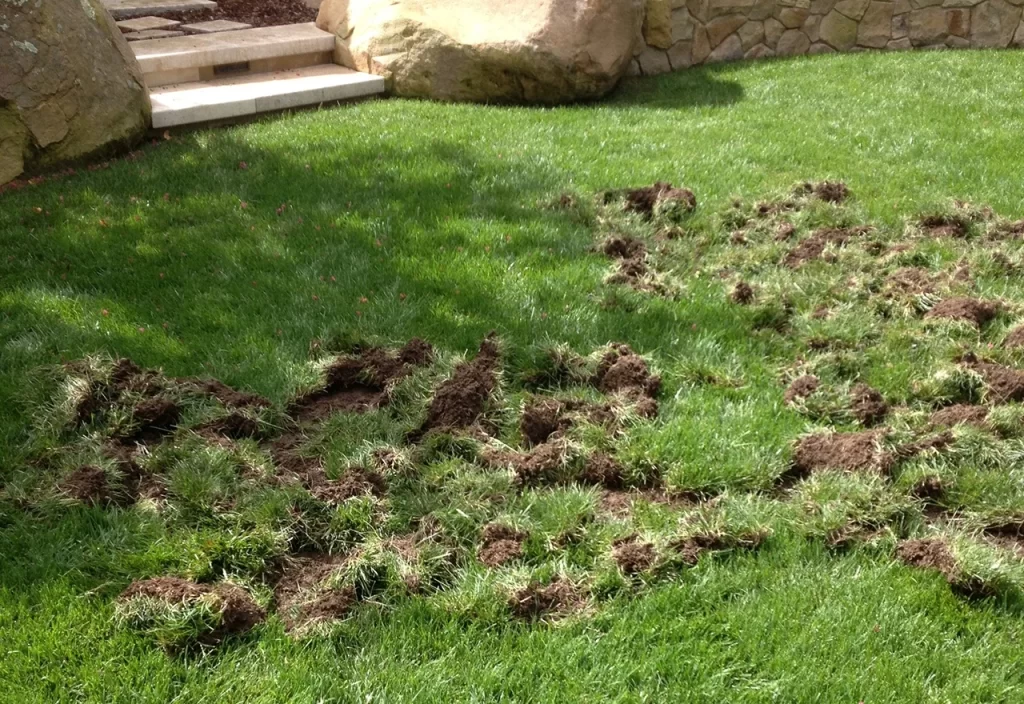
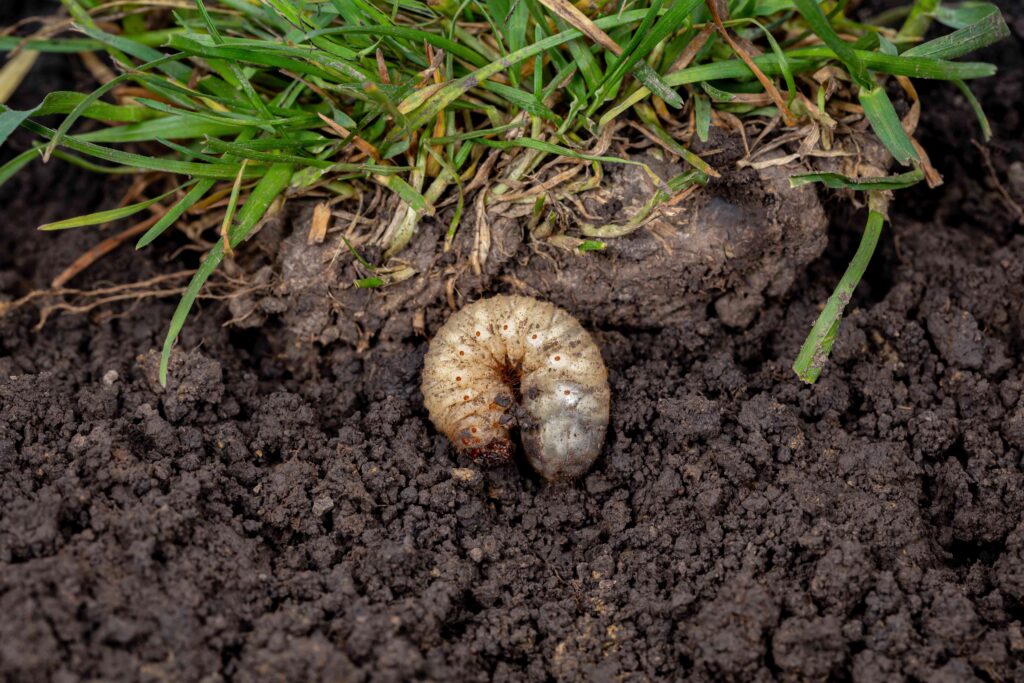
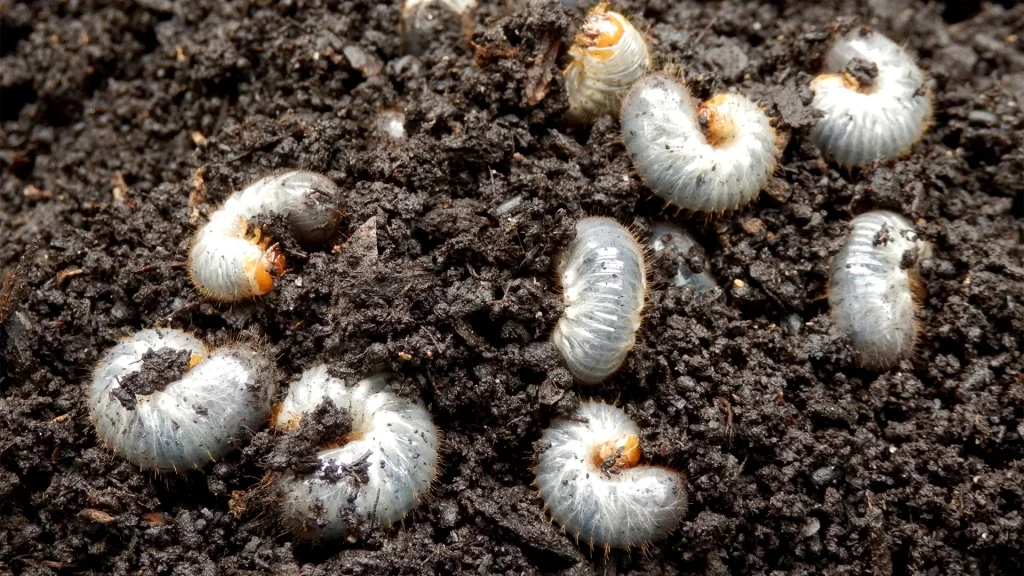
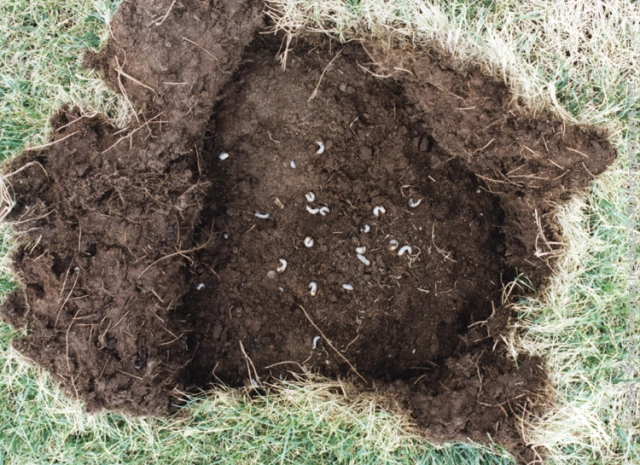
Grubs are soft, white, C-shaped larvae with brown heads and six small legs. They typically live 2–3 inches below the soil surface, feeding on grassroots and organic matter.
Life cycle overview:
- Spring: Grubs from the previous year mature into beetles and emerge from the soil.
- Summer: Adult beetles lay eggs in the soil, often in sunny areas with healthy grass.
- Late summer to fall: Eggs hatch into grubs that begin feeding heavily on roots.
- Winter: Grubs burrow deeper to survive the cold, then move back up in spring to continue feeding before becoming beetles.
The most damaging period is late summer through fall, when young grubs are active near the surface. Detecting and treating them early during this stage is crucial to preventing large-scale lawn destruction.

2. Spot the Warning Signs of a Grub Problem
Grubs can be sneaky, but your lawn will start sending distress signals if they’re present in large numbers. Keep an eye out for these telltale symptoms:
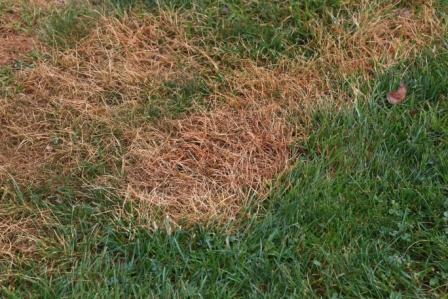
- Irregular brown or dead patches: These appear in late summer or early fall and may enlarge quickly.
- Spongy or loose turf: If you can easily pull back the grass like a carpet, grubs have likely eaten the roots.
- Increased animal activity: Birds, skunks, moles, and raccoons digging at your lawn are hunting for grubs.
- Wilting despite watering: Even with regular irrigation, areas affected by grubs dry out because the roots are damaged.
If you notice two or more of these symptoms, it’s time to investigate further.
3. Confirm the Infestation with a Simple Soil Test
Before taking action, make sure grubs are truly the cause. Here’s how to check:
- Cut a small section of turf: About 1 foot square and 2–3 inches deep.
- Lift and peel it back: Examine the soil underneath for C-shaped grubs.
- Count them:
- Fewer than 5 per square foot → no major concern.
- 6–9 per square foot → mild problem; monitor closely.
- 10 or more per square foot → treat immediately.
Testing in several locations across your yard gives a more accurate picture of the infestation level.
4. The Best Time to Treat for Grubs
Timing makes all the difference in grub control. Treating at the wrong time of year can waste effort and money.
- Best window: Late summer to early fall (August–October in most regions).
During this period, grubs are small, active, and feeding near the surface—making them most vulnerable to treatments. - Spring treatments: Often less effective because grubs are larger and deeper underground.
- Preventive treatments: Apply in mid-summer, before eggs hatch, if you’ve had grub issues in the past.
Understanding the grub life cycle helps you apply the right control methods at the right time for maximum success.

5. Natural Ways to Control Grubs
If you prefer eco-friendly options that won’t harm beneficial insects or pollinators, there are several effective natural remedies for grub control.
a. Beneficial Nematodes
These microscopic worms are one of nature’s best pest controls. Certain species, such as Heterorhabditis bacteriophora, specifically target grubs.
- How they work: Nematodes enter grubs’ bodies, release bacteria that kill them, and then reproduce inside the carcass.
- Application: Mix nematodes with water and apply to moist soil using a sprayer. Keep the area watered for a week afterward to help them move through the soil.
- Best time: Late summer or early fall when grubs are near the surface.
b. Milky Spore Disease
This natural bacterium (Bacillus popilliae) specifically infects Japanese beetle grubs.
- How it works: Grubs ingest spores while feeding; the disease kills them and spreads to others.
- Longevity: Milky spore remains active in the soil for 10–15 years once established.
- Application: Apply to affected areas according to package instructions during warm, moist conditions.
c. Encourage Birds
Robins, starlings, and crows love to eat grubs. Set up birdbaths and feeders to attract natural predators that can help reduce the population.
d. Maintain Healthy Soil
Healthy lawns resist grub damage better. Aerate compacted soil, overseed thin patches, and avoid overwatering, which attracts beetles for egg-laying.
6. Chemical Treatments: When Natural Methods Aren’t Enough
In severe infestations, you may need to turn to chemical treatments. Understanding which products to use—and when—is key.

Preventive Insecticides (for early control):
Use these in mid-summer before eggs hatch. They target newly hatched larvae before they can damage roots.
- Active ingredients: Imidacloprid, chlorantraniliprole, or thiamethoxam.
- Examples: Scotts GrubEx, Bayer Season-Long Grub Control.
Curative Insecticides (for active infestations):
Use these when grubs are already feeding in late summer or early fall.
- Active ingredients: Carbaryl or trichlorfon.
- Note: These kill grubs quickly but don’t last long in soil, so apply only when necessary.
Application tips:
- Always follow label instructions carefully.
- Water the lawn immediately after applying to move the insecticide into the root zone where grubs feed.
- Avoid applying before heavy rain to prevent runoff.
If possible, combine preventive and natural methods for a long-term, balanced approach.
7. Preventing Future Grub Problems
Once you’ve dealt with the current infestation, take steps to keep grubs from returning.
a. Deter Beetles
- Use beetle traps or repellent plants like geraniums and tansy to reduce egg-laying adults.
- Keep outdoor lights off during peak beetle activity (dusk), as light attracts them.
b. Water Wisely
Grubs thrive in moist soil. Water deeply but infrequently to discourage beetles from laying eggs.

c. Maintain a Strong Lawn
A dense, healthy turf naturally resists grub damage.
- Mow at 3 inches to encourage deep roots.
- Aerate annually to improve drainage and oxygen flow.
- Overseed bare spots in fall to prevent beetles from finding exposed soil.
d. Monitor Regularly
Perform a grub check every late summer, especially if you’ve had problems in previous years. Catching them early prevents widespread damage.
8. Repairing Grub-Damaged Areas
If grubs have already left brown, bare patches behind, you can restore your lawn with a little patience.
Steps to repair:
- Remove dead grass and loosen the soil surface.
- Add compost or topsoil to enrich the area.
- Reseed or patch with sod. Choose a grass variety suitable for your climate.
- Water gently and keep the soil moist until new growth is established.
- Apply preventive treatment next season to stop grubs from returning.
Within a few weeks, your lawn should start to green up again.
Final Thoughts
Grubs may be small, but their damage can be devastating if ignored. The secret to keeping your lawn lush and resilient is early detection and timely action.
By understanding the grub life cycle, watching for warning signs, and using a combination of natural and chemical controls at the right time, you can eliminate grubs before they cause lasting harm. Pair this with preventive maintenance—healthy soil, smart watering, and regular monitoring—and your lawn will stay strong, vibrant, and grub-free year after year.
Remember, your best defense isn’t just fighting grubs—it’s building a thriving lawn ecosystem where they struggle to take hold in the first place.