Imagine plucking a fresh lemon for your tea or an orange for breakfast—right from a tree in your living room. Growing citrus indoors is more than just a gardening novelty; it’s a practical way to enjoy year-round greenery, fragrant blossoms, and homegrown fruit, even if you live in a cold climate. With the right care, citrus trees can thrive inside your home and reward you with both beauty and harvests.
Here’s a step-by-step guide to successfully growing citrus trees indoors.
Step 1: Choose the Right Citrus Variety
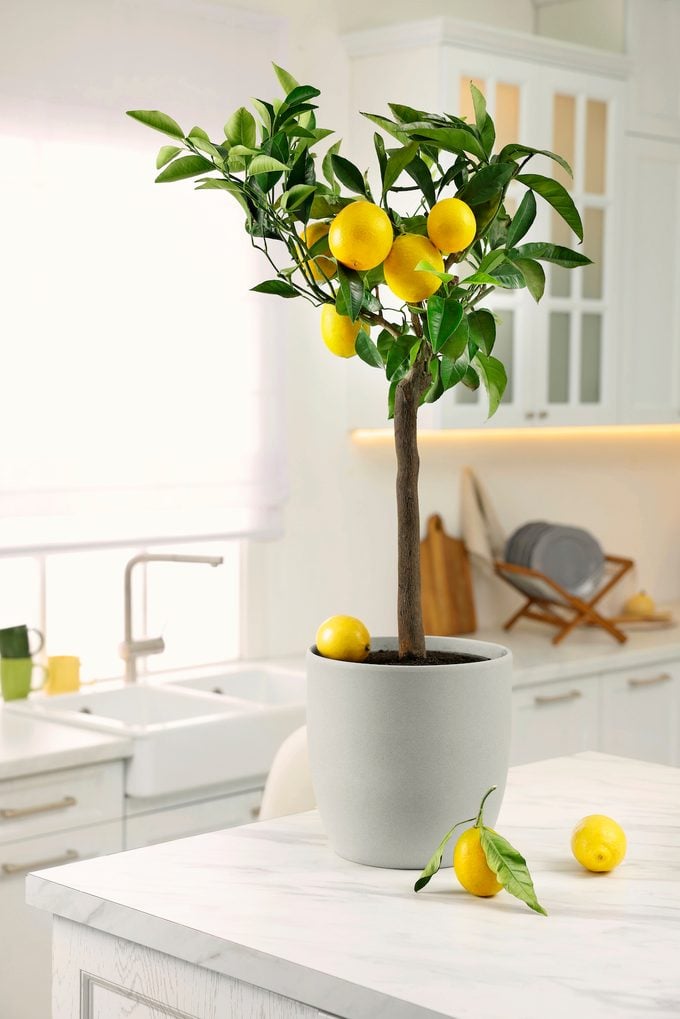
Not all citrus trees are equally suited for indoor growing. Dwarf or semi-dwarf varieties are your best bet because they stay compact while still producing full-sized fruit.
Best Citrus Varieties for Indoors:
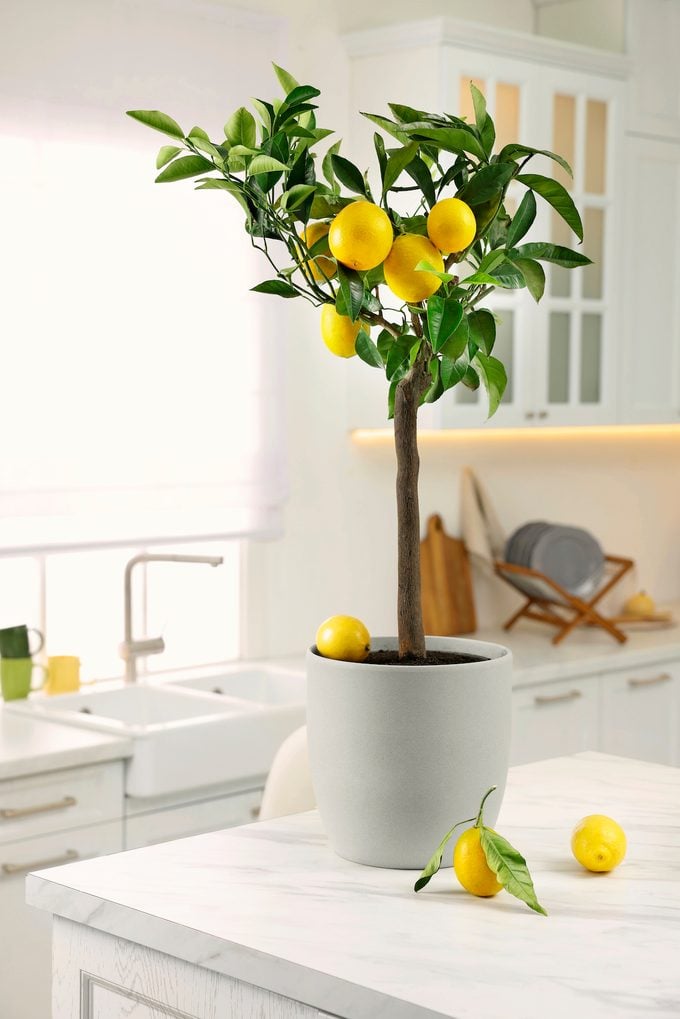
- Meyer Lemon: A favorite among indoor gardeners for its small size, sweet-tart flavor, and nearly year-round fruiting.
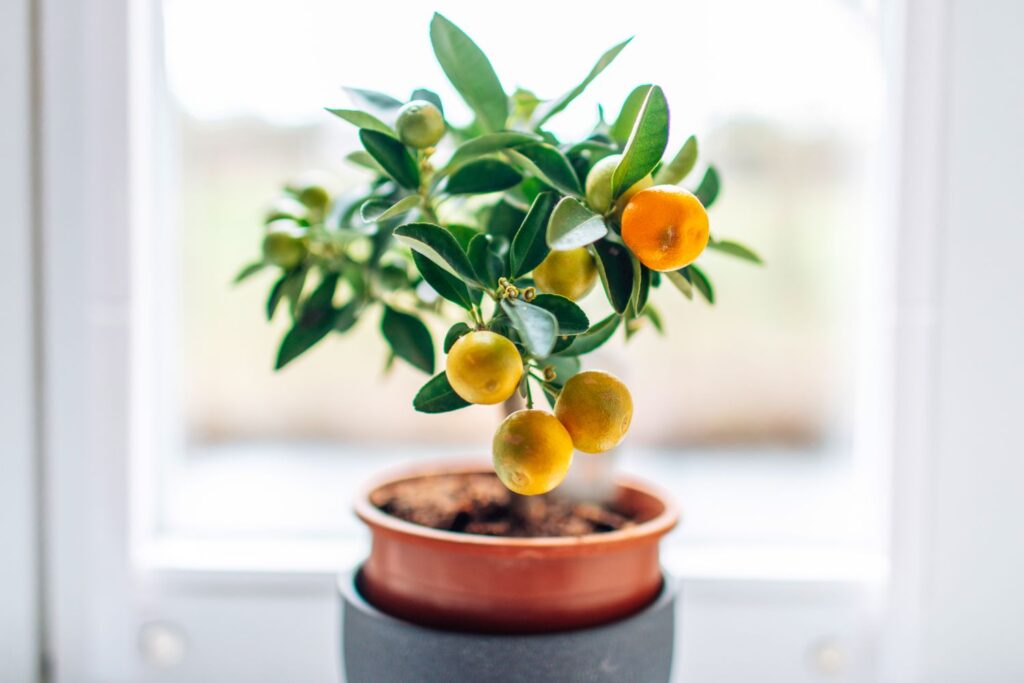
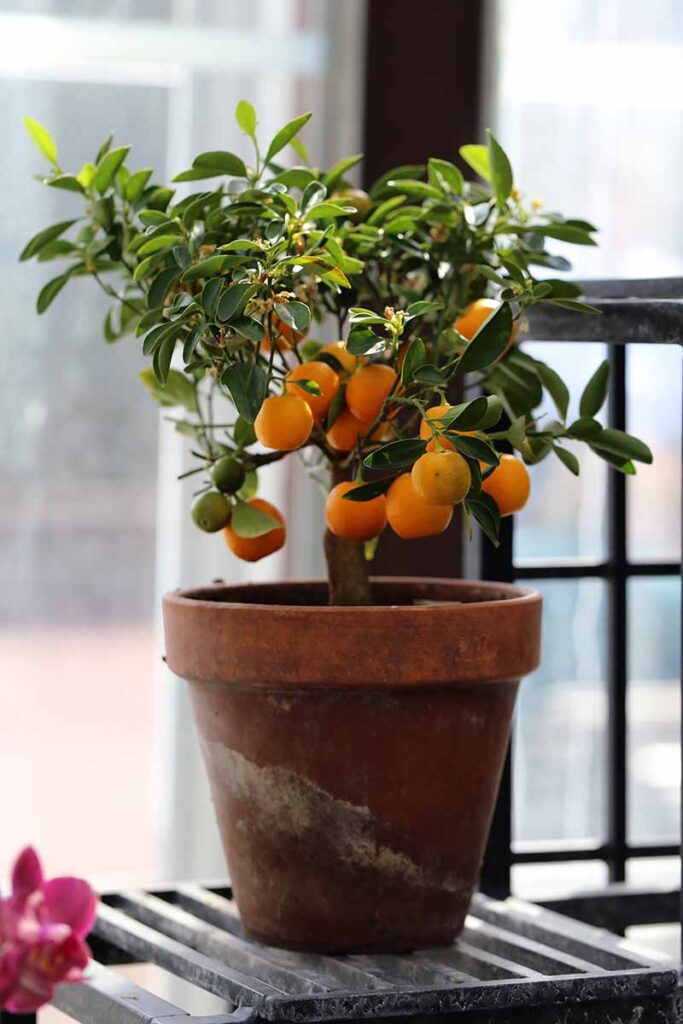
- Calamondin Orange: Known for its ornamental beauty and tangy little fruits, perfect for marmalades.
- Kaffir Lime: Grown more for its aromatic leaves than its fruit, often used in Asian cuisine.
- Bearss Lime (Persian Lime): Produces juicy, seedless fruits that are great for drinks and cooking.
- Kumquats: Compact, low-maintenance, and delicious when eaten whole.
Pro Tip: Always opt for a grafted dwarf tree from a reputable nursery to ensure quicker fruiting and reliable growth indoors.

Step 2: Select the Right Container
Citrus trees need room for root development but also well-drained soil.
- Size: Start with a container at least 12–14 inches in diameter for young trees. As the plant grows, you may need to repot into a 20-inch or larger container.
- Material: Terracotta pots allow better airflow to roots, but plastic pots retain moisture longer. Either works if drainage holes are present.
- Drainage: Citrus roots hate sitting in water. Ensure your pot has several drainage holes, and consider using a saucer with pebbles to catch excess water without drowning roots.
Step 3: Use the Perfect Soil Mix
Ordinary garden soil is too dense for citrus indoors. Instead, choose a well-draining, slightly acidic soil mix.
Best Soil Recipe for Citrus:
- 2 parts high-quality potting mix
- 1 part perlite or coarse sand (for aeration)
- 1 part compost or coconut coir (for organic matter and moisture balance)
pH Level: Citrus trees prefer slightly acidic soil with a pH between 6.0 and 7.0. You can test with a simple soil pH kit.
Step 4: Provide Plenty of Light
Citrus trees are sun-lovers, needing 8–12 hours of direct sunlight daily. Indoors, this can be a challenge.

- Best Placement: A south-facing window is ideal. East or west windows can also work with supplemental lighting.
- Grow Lights: If natural light is limited, use full-spectrum LED grow lights positioned 12–18 inches above the plant. Run them for 10–12 hours daily.
- Rotate the Plant: Turn the tree every few weeks to promote even growth.
Without enough light, your citrus may survive but won’t thrive—or produce fruit.
Step 5: Watering the Right Way
Overwatering is the most common mistake in indoor citrus care.
- When to Water: Check soil moisture by sticking your finger 2 inches deep into the soil. If it feels dry, it’s time to water.
- How to Water: Water deeply until it drains out of the bottom, then empty the saucer. Never let the plant sit in standing water.
- Winter Adjustment: Citrus trees grow more slowly in winter, so reduce watering frequency while still preventing complete soil dryness.
Pro Tip: Use room-temperature water, as cold water can shock the roots.
Step 6: Maintain Proper Humidity and Temperature
Citrus trees naturally grow in warm, humid climates, so mimicking these conditions indoors is crucial.
- Ideal Temperature: 65–75°F during the day and not below 55°F at night. Avoid drafts from heaters or windows.
- Humidity: Aim for 40–60% humidity. If your indoor air is dry, use a humidifier, place a pebble tray with water near the plant, or mist the leaves occasionally.
- Seasonal Care: In summer, you can move the plant outdoors for fresh air and sunshine, but transition it gradually to avoid shock.
Step 7: Fertilize Regularly
Citrus trees are heavy feeders and need consistent nutrition for healthy growth and fruiting.

- Fertilizer Type: Use a balanced, slow-release fertilizer formulated for citrus or fruit trees. Look for one with added micronutrients like magnesium, manganese, and iron.
- Feeding Schedule: Fertilize monthly during active growing seasons (spring and summer). In fall and winter, reduce to every 6–8 weeks.
- Liquid Boosts: Occasional liquid seaweed or fish emulsion sprays provide extra nutrients and improve leaf health.
Step 8: Pruning and Training
Pruning helps manage the tree’s size, shape, and productivity.
- Remove Dead or Damaged Growth: Always prune out weak, yellow, or broken branches.
- Shape the Tree: Trim long or leggy branches to encourage a bushier form.
- Thin for Airflow: Avoid overcrowding by cutting branches that cross or grow inward.
- Pinching Tips: Pinch back new shoots when the plant is young to encourage branching.
For larger varieties like lemons or limes, consider staking or using a small trellis for support.
Step 9: Pollination Indoors

Unlike outdoors, indoor citrus trees may need your help to pollinate their flowers.
- Hand Pollination: Use a small paintbrush or cotton swab to transfer pollen from one flower to another.
- Shaking Method: Gently shake the branches when flowers are open to distribute pollen.
- Self-Pollinating Varieties: Meyer lemons and Calamondins often set fruit without assistance, but pollination improves yields.
Step 10: Watch for Pests and Diseases
Even indoors, citrus trees can attract pests.
Common Pests:

- Spider Mites: Tiny, sap-sucking pests that leave webbing.
- Aphids: Small, soft-bodied insects on new growth.
- Scale: Hard, dome-shaped pests that attach to stems.
Prevention and Treatment:
- Inspect plants weekly.
- Wipe leaves with a damp cloth.
- Use insecticidal soap or neem oil for infestations.
Disease Watch: Overwatering can cause root rot, while low humidity may lead to leaf drop. Adjust care promptly if issues arise.
Step 11: Patience With Fruit Production
Citrus trees grown indoors often take a couple of years before producing fruit. However, grafted dwarf trees may fruit within 1–3 years.
- Meyer Lemon: Can flower and fruit almost year-round.
- Kumquat: Produces abundant small fruits in winter.
- Limes and Oranges: Typically fruit after 2–3 years of consistent care.
Pro Tip: Don’t be discouraged if flowers drop the first year—fruit production increases as the plant matures and conditions stabilize.
Final Thoughts
Growing citrus trees indoors combines gardening artistry with practical reward. By choosing the right variety, providing ample light, and balancing water, nutrients, and humidity, you can create an environment where your tree not only survives but thrives. The journey requires patience, but the payoff is worth it: glossy green leaves, fragrant blossoms, and the ultimate luxury—fresh, homegrown citrus harvested from the comfort of your living room.
Whether you’re a beginner or a seasoned gardener, following these step-by-step guidelines will bring you closer to enjoying the bright taste of citrus year-round, no matter the climate outside.