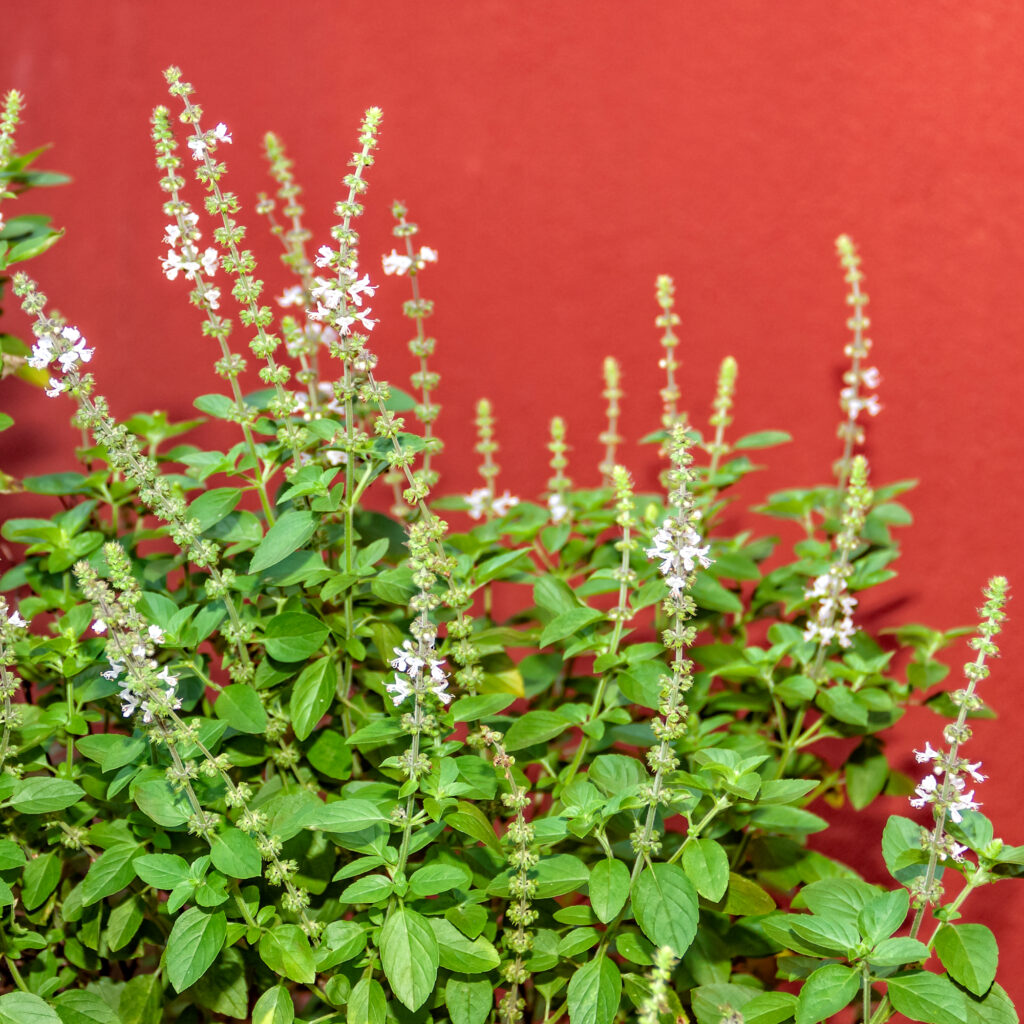
Few herbs are as beloved as basil. Whether sprinkled over pizza, blended into pesto, or infused into oils, its fragrant leaves are the highlight of summer gardens. But if you’ve grown basil before, you’ve likely encountered a common dilemma: what should you do when your basil plant starts to flower?
Should you pinch off the blossoms to keep leaves tender and flavorful, or let them bloom and enjoy the bees they attract? The answer depends on your goals. Let’s explore in detail why basil flowers, how it affects the plant, and when to pinch versus when to let them grow.
Why Does Basil Flower?
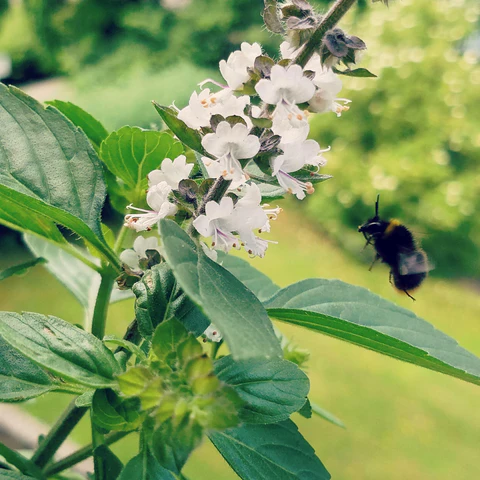
Basil is an annual herb, which means it completes its life cycle in one growing season. Flowering is a natural signal that the plant is shifting its energy from producing leaves to producing seeds.
Once basil flowers:
- Leaf production slows down.
- Leaves can become smaller, tougher, and more bitter.
- The plant’s energy shifts toward seed development rather than lush foliage.
In other words, if your primary goal is flavorful leaves, flowers are not your best friend.
The Case for Pinching Basil Flowers
Gardeners often recommend pinching off basil flowers as soon as they appear—and for good reason.
1. Keeps Leaves Tender and Flavorful
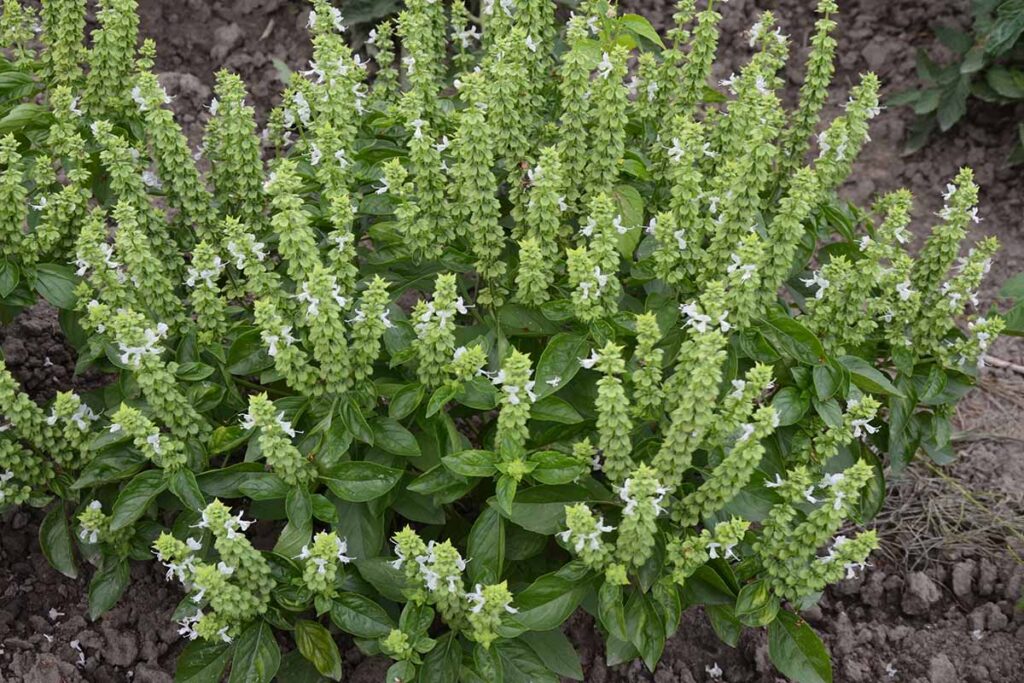
Once basil begins flowering, the leaves lose much of their sweetness and can turn bitter. Removing flower buds redirects energy back into foliage production.
2. Prolongs the Harvest
Pinching flowers delays the plant’s “end-of-life” cycle, keeping it in the leafy growth stage longer. This means more basil for your summer meals.
3. Encourages Bushier Growth
Every time you pinch a flower stem (or even just the growing tip), the plant responds by branching out. The result is a fuller, bushier basil plant with more leaves to harvest.
4. Prevents Premature Decline
Left unchecked, flowering basil can quickly go to seed, after which the plant often stops producing altogether. Regular pinching helps extend the plant’s productive life.
How to Pinch Basil Flowers Correctly
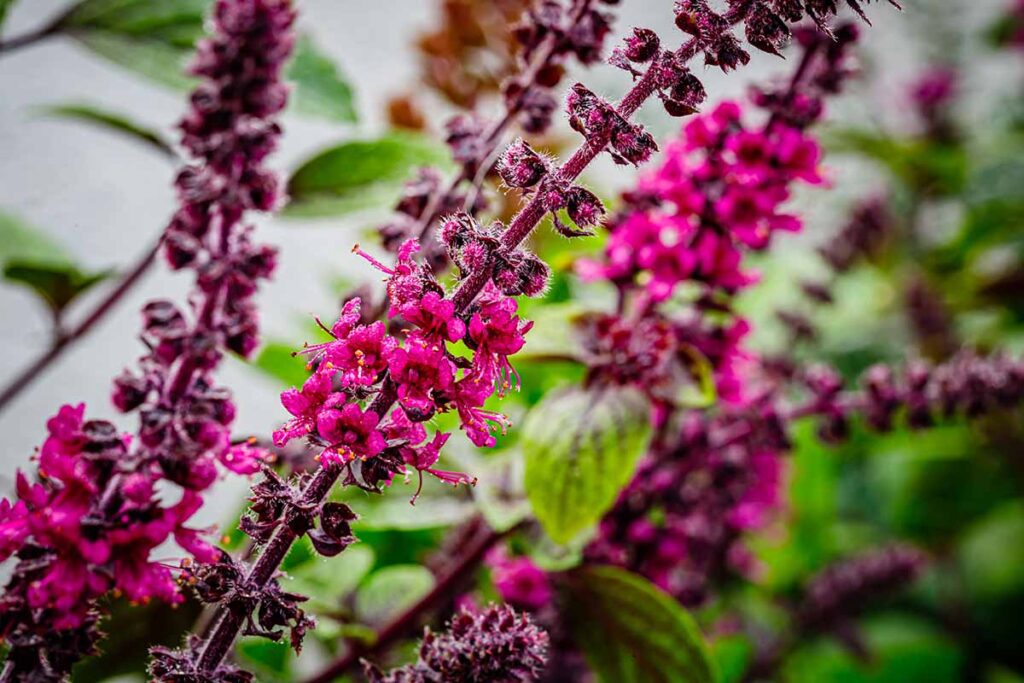
Pinching isn’t complicated, but doing it properly ensures the best results.
- Use your fingers or sharp scissors: Simply pinch or snip just above a pair of leaves or leaf nodes.
- Check weekly: Basil grows fast, so inspect your plants often during warm weather.
- Harvest as you pinch: You can use the flower buds and tender stems in cooking—they’re edible, though stronger in flavor.
The Case for Letting Basil Flower
While pinching is usually recommended, there are times when letting basil flower makes sense.
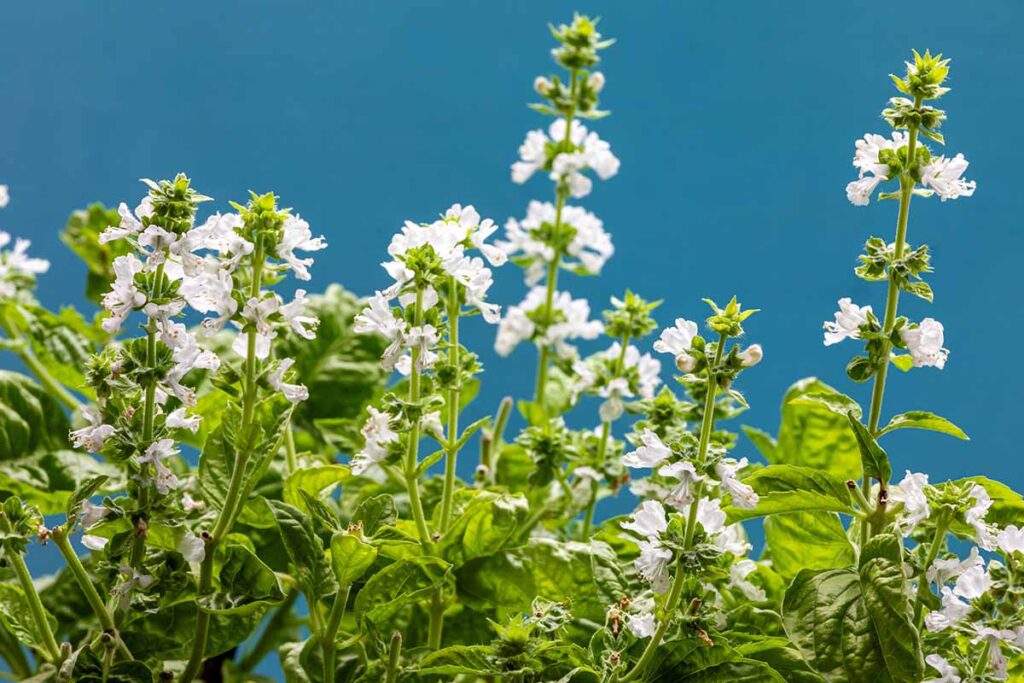
1. Attracting Pollinators
Basil flowers are rich in nectar and a magnet for bees, butterflies, and other beneficial insects. Allowing some plants to bloom can support pollinator health and benefit your entire garden.
2. Seed Saving
If you want to grow basil again next year without buying seeds, allow a few flower stalks to mature. Once the flowers dry, they produce small black seeds you can collect and store.
3. Culinary Uses for Flowers
Basil flowers are edible! They can be sprinkled on salads, infused in vinegar, or used as a garnish. Their flavor is slightly more pungent and peppery than the leaves.
4. Natural Plant Progression
If your basil plants are nearing the end of the season and you’ve harvested enough leaves, allowing them to flower and seed is a natural way to close the growing cycle.
Finding a Balance: Pinch Some, Let Some Bloom
The best approach for most home gardeners is a balance.
- Pinch regularly during peak growing season to maximize leaf harvest.
- Toward the end of summer, allow a few plants to flower for pollinators and seed saving.
- Rotate strategy by plant: Keep one or two basil plants strictly for leaf harvest and let others flower later in the season.
This way, you enjoy the culinary benefits of fresh basil leaves while also supporting your garden ecosystem.
Tips to Keep Basil Thriving Longer
In addition to managing flowers, these practices will help keep your basil lush and productive:
- Harvest often: The more you cut, the more it grows. Never remove more than one-third of the plant at once.
- Water deeply and consistently: Basil likes moist (but not soggy) soil. Mulching helps regulate soil moisture.
- Provide plenty of sunlight: Basil thrives in 6–8 hours of full sun daily.
- Fertilize lightly: A balanced organic fertilizer or compost tea every few weeks keeps plants vigorous.
Common Mistakes to Avoid
- Ignoring flower buds: Letting basil go too far into flowering early will reduce leaf quality.
- Overharvesting at once: Stripping too many leaves can weaken the plant.
- Growing in poor soil: Basil in compacted or nutrient-deficient soil flowers prematurely.
Final Thoughts
So, should you pinch basil flowers or let them grow?
If your goal is a long harvest of tender, flavorful leaves for cooking, pinch off the flowers consistently. If you’d like to support pollinators, collect seeds, or experiment with basil flowers in the kitchen, let a few plants bloom toward the end of the season.
The key is to match your approach to your gardening goals. With thoughtful care, you can enjoy the best of both worlds: lush basil leaves all season long and a pollinator-friendly garden brimming with blossoms by summer’s end.