As the gardening and lawn care season winds down, it’s time to think about putting away your gas-powered tools—mowers, trimmers, chainsaws, leaf blowers, and more. Storing these machines correctly isn’t just about clearing space in your shed or garage. Done wrong, leftover fuel can gum up carburetors, moisture can cause rust, and batteries can weaken. Done right, your tools will fire up easily next spring and last years longer.
Here’s a detailed guide on how to safely and effectively store your gas-powered equipment during the winter months.
Why Proper Winter Storage Matters

Gasoline-powered tools are built to be durable, but they’re vulnerable to long periods of disuse. Without preparation, several issues can arise:
- Fuel breakdown: Gasoline starts to degrade in as little as 30 days, leaving sticky residues that clog carburetors.
- Moisture buildup: Cold, damp conditions encourage rust and corrosion.
- Battery drain: Tools with batteries or electric starters lose charge over time if left unattended.
- Rubber and plastic damage: Seals, hoses, and fuel lines can dry out, crack, or harden.
By taking preventive measures now, you avoid costly repairs and extend the life of your investment.

Step 1: Clean Your Equipment Thoroughly
Before you put tools away, clean off every bit of dirt, grass, sap, and debris. Leftover buildup not only looks messy but can trap moisture and accelerate corrosion.
- Mowers: Scrape grass clippings from under the deck with a plastic scraper.
- Chainsaws: Wipe bar oil and sawdust from the chain, bar, and housing.
- Trimmers and blowers: Brush away dirt from vents and cooling fins.
- Engines: Wipe the exterior with a damp rag, avoiding direct water spray.
A clean tool is easier to inspect for wear and damage, too.
Step 2: Deal With the Fuel Properly
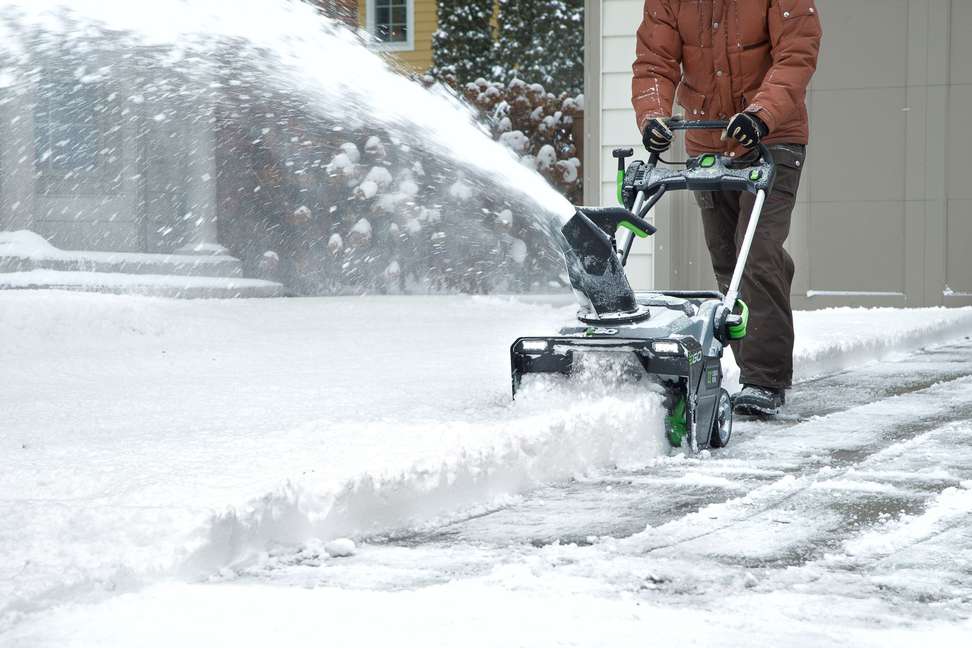
Fuel management is the single most important part of winterizing gas-powered tools. You have two main options:
- Drain the tank completely
- Run the tool until it stops to burn off leftover gas.
- Empty any remaining fuel from the tank, carburetor, and lines.
- Best for long storage or when using ethanol-blended fuel.
- Stabilize the fuel
- Add a quality fuel stabilizer to fresh gasoline.
- Run the engine for 5–10 minutes to circulate stabilized gas through the carburetor.
- Prevents varnish and keeps fuel fresh for up to 12 months.
If your tool will sit for more than three months, draining is often the safest bet.

Step 3: Change the Oil
For four-stroke engines (like lawn mowers and snowblowers), dirty oil can corrode internal components during storage.
- Drain old oil and refill with fresh oil recommended by the manufacturer.
- Dispose of used oil properly at a recycling center.
- Change oil filters if your tool has one.
Clean oil keeps engine parts protected during months of inactivity.
Step 4: Care for the Spark Plug and Air Filter
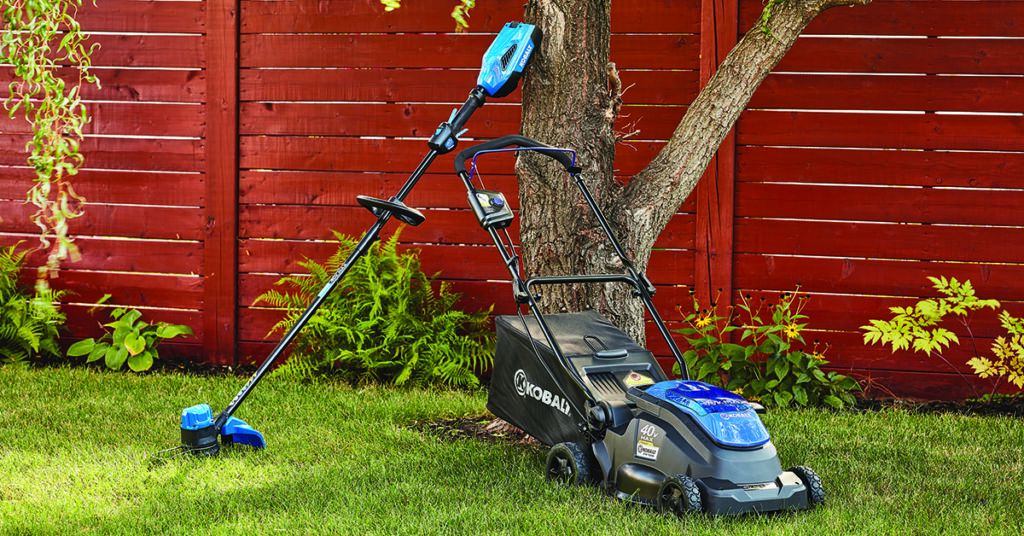
- Spark plugs: Remove the plug, inspect it, and replace if worn or corroded. For storage, add a drop of oil into the cylinder before reinstalling to prevent rust.
- Air filters: Clean foam filters with soapy water, dry, and re-oil lightly. Replace paper filters if dirty.
These small parts are inexpensive, yet vital for reliable starts in spring.
Step 5: Lubricate Moving Parts
Prevent rust and sticking by lubricating key components:

- Spray silicone or machine oil on cables, joints, and pivot points.
- Apply bar oil to chainsaws.
- Grease wheel bearings, hinges, or gears where applicable.
This step reduces wear and keeps tools moving smoothly after storage.
Step 6: Remove or Maintain Batteries
If your gas-powered tool has a battery starter or electric ignition:
- Remove the battery and store it indoors in a cool, dry location.
- Charge it fully before storage and give it a top-off every 6–8 weeks.
Leaving batteries in cold garages or sheds can shorten their lifespan and reduce performance.
Step 7: Store in the Right Environment
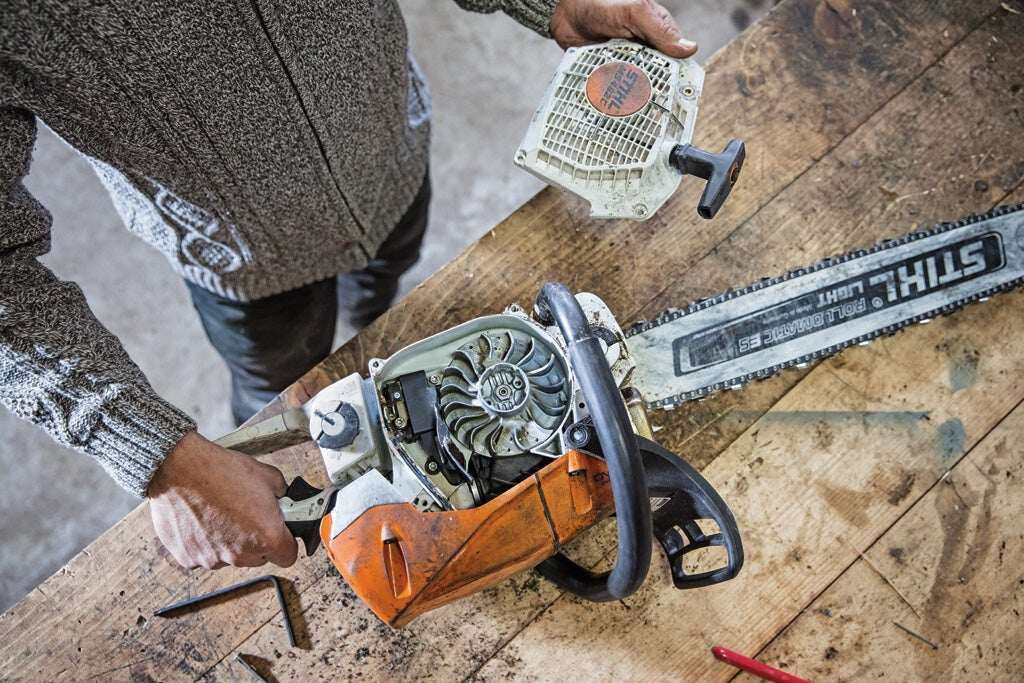
The location and conditions of storage are just as important as prep work.

- Choose indoors: Store in a dry garage, shed, or basement.
- Keep off the ground: Place tools on shelves, pallets, or hangers to protect from damp floors.
- Cover lightly: Use breathable covers or tarps to keep dust off without trapping moisture.
- Avoid heat sources: Don’t store near furnaces, heaters, or open flames—especially with gas residues present.
Proper storage prevents rust, rodent damage, and fuel leaks.
Step 8: Safety Precautions for Gas Storage
If you’re keeping extra gas for next season:
- Use an approved gas container with a tight seal.
- Add a stabilizer if you’ll store it longer than 30 days.
- Store containers in a cool, ventilated area away from flames.
- Never keep gas indoors in living spaces.
This ensures both safety and fuel quality.
Step 9: Keep a Maintenance Log
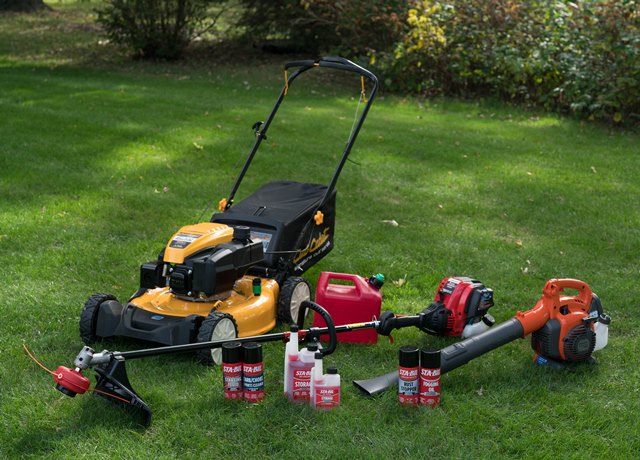
A simple notebook or spreadsheet can make your life easier:

- Record when you changed oil, filters, or spark plugs.
- Note whether you drained or stabilized fuel.
- Track tool hours if your machine has an hour meter.
This helps you stay consistent and avoid missed maintenance.
Final Thoughts
Winter storage isn’t just about stashing your tools until spring—it’s about protecting your investment. A few hours of preparation now can save you days of frustration and hundreds of dollars in repairs later.
Clean your tools, handle fuel correctly, lubricate moving parts, and store everything in a safe, dry space. With these steps, your gas-powered tools will stay in top condition, start easily when you need them, and last for many years of yard work ahead.