Roses are often called the queens of the garden—beautiful, fragrant, and timeless. But as every rose gardener knows, their beauty comes with thorns. Pruning is essential for healthy growth and abundant blooms, yet it also comes with the risk of painful scratches. The secret to enjoying rose care without injury? The right pair of pruning gloves.
Not all gardening gloves are created equal. Some are too thin to protect against thorns, while others are bulky and limit dexterity. If you want to prune roses confidently and comfortably, you need gloves designed with both protection and precision in mind. Below, we’ll break down what makes the best rose pruning gloves, the materials to look for, and some of the top options available.
Why Specialized Gloves Matter for Rose Pruning
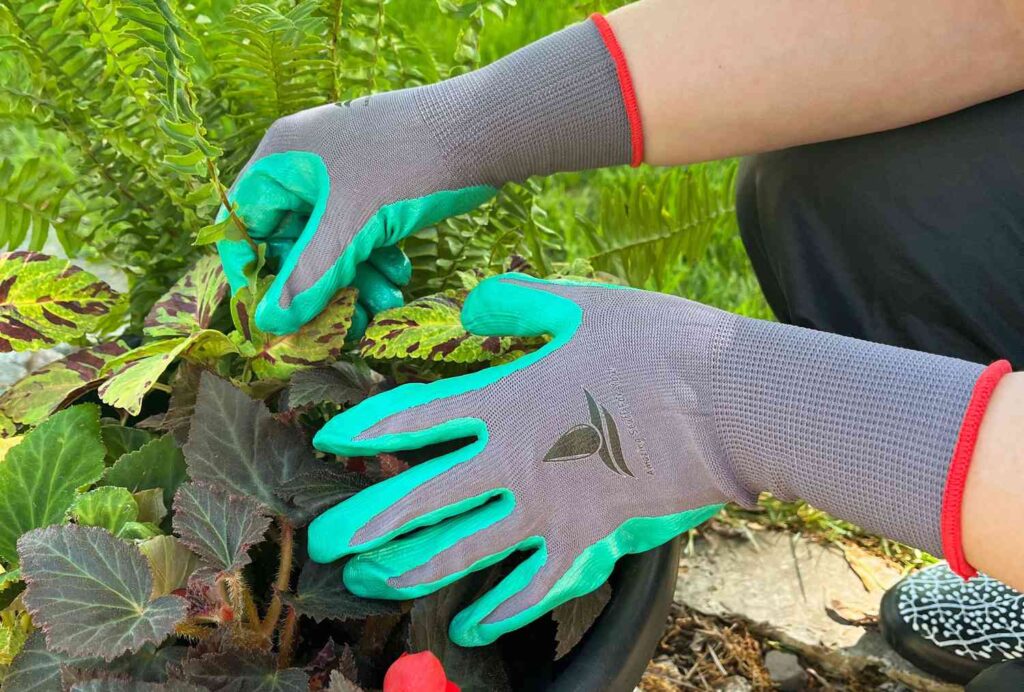
Pruning roses is more demanding than trimming most garden plants. Rose canes are woody and often covered in sharp, hooked thorns that can tear through fabric and skin. Standard cotton garden gloves may be fine for pulling weeds or potting soil, but they won’t protect you when working with roses.

The right pruning gloves:
- Shield your hands and arms from scratches, punctures, and cuts.
- Provide flexibility so you can grip pruning shears and maneuver around branches.
- Last longer than flimsy all-purpose gloves that wear out quickly.
Investing in a quality pair of gloves makes rose gardening not only safer but far more enjoyable.
Key Features to Look for in Rose Pruning Gloves
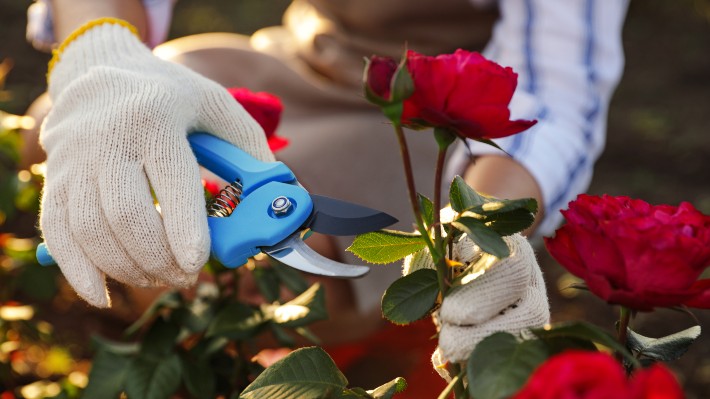
- Puncture-Resistant Materials
- Leather—especially goatskin, cowhide, or pigskin—offers superior thorn resistance.
- Synthetic blends reinforced with kevlar or microfiber also provide durability.
- Extended Gauntlet Cuffs
- Look for gloves that protect beyond the wrist, ideally covering the forearm.
- Gauntlet-style gloves prevent thorns from scratching your arms while reaching deep into bushes.
- Comfort and Flexibility
- Thick gloves shouldn’t mean stiff gloves. The best options balance protection with dexterity.
- Lined interiors or breathable materials help reduce hand fatigue during longer pruning sessions.
- Grip Control
- Reinforced palms and fingertips provide a better hold on pruning shears.
- Non-slip designs are especially helpful when working in damp conditions.
- Durability
- Well-made gloves can last for years with proper care.
- Avoid gloves that wear thin or tear after just a few uses.
The Best Materials for Rose Pruning Gloves
Goatskin Leather
Lightweight yet tough, goatskin is flexible and resistant to punctures. Many professional gardeners prefer it for its balance of comfort and protection.

Cowhide Leather
Heavier and more rugged, cowhide is excellent for thorn resistance but can be less flexible. It’s ideal for gardeners tackling large, thorn-heavy rose bushes.
Synthetic Materials
Modern gloves made with microfiber, kevlar, or engineered composites offer thorn protection while remaining lightweight. They’re often more breathable than leather but may wear down faster.
Suede or Split Leather
These provide decent protection but can be stiff and less durable than full-grain leather. Best suited for occasional rose gardeners.

Top Styles of Rose Pruning Gloves
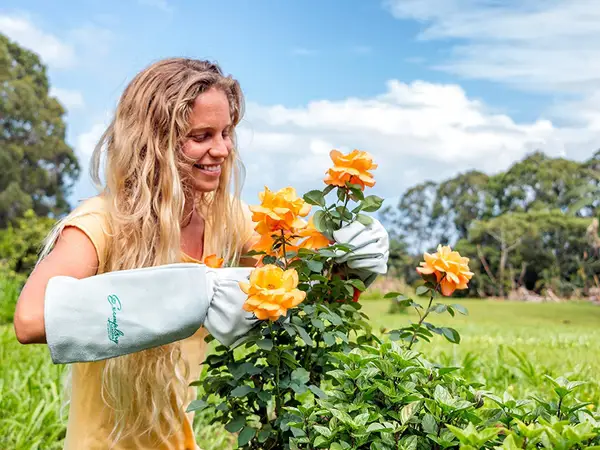
- Gauntlet-Style Leather Gloves
- Offer maximum protection from fingertips to mid-forearm.
- Perfect for handling large, mature rose bushes.
- Hybrid Leather-Synthetic Gloves
- Combine leather palms and fingers with breathable synthetic backs.
- Provide flexibility and comfort for extended wear.
- Elbow-Length Gloves
- Extra-long for gardeners working with sprawling climbing roses.
- Prevent scratches even when reaching deep into thorny canes.
Caring for Your Rose Pruning Gloves
To maximize the lifespan of your gloves:
- Brush off dirt and debris after each use.
- Wipe leather gloves with a damp cloth—avoid soaking them.
- Use a leather conditioner occasionally to prevent cracking.
- Allow gloves to air dry completely before storing.
- Keep them in a cool, dry place away from direct sunlight.
Proper care not only extends durability but also keeps gloves comfortable and ready for every pruning session.
Expert Tips for Safe Rose Pruning
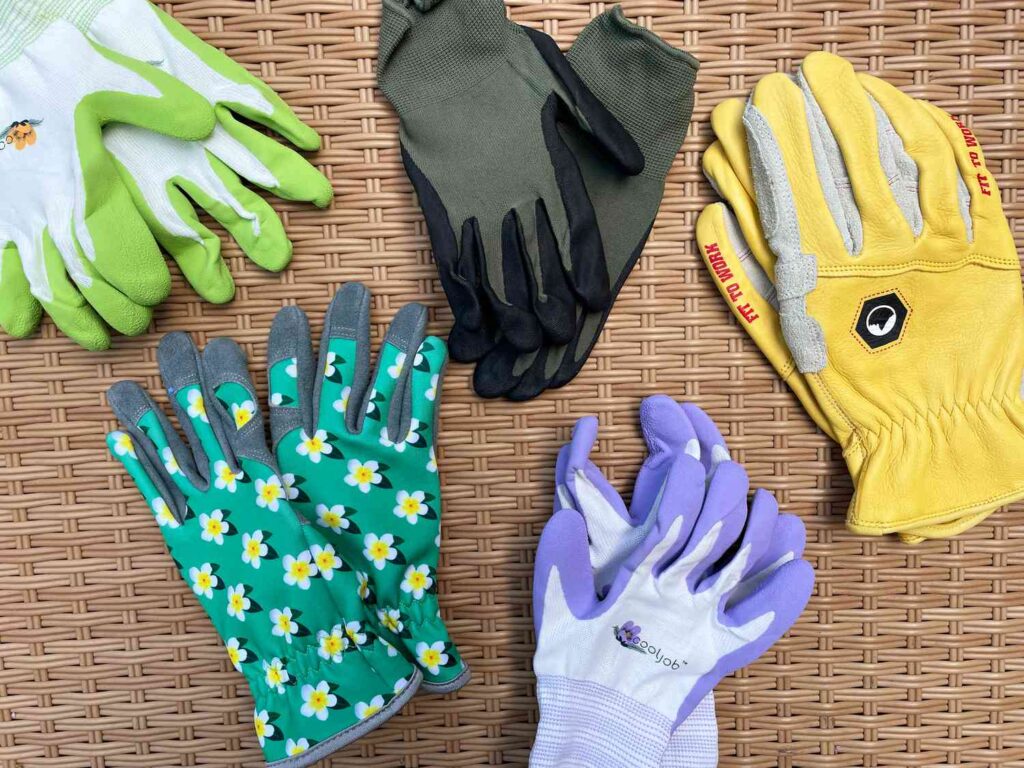
Even with the best gloves, technique matters.

- Always use sharp, clean pruning shears to minimize strain.
- Prune at an angle to reduce disease risk.
- Stand in a stable position to avoid accidental slips into thorny canes.
- Pair your gloves with long sleeves for complete protection.
Final Thoughts
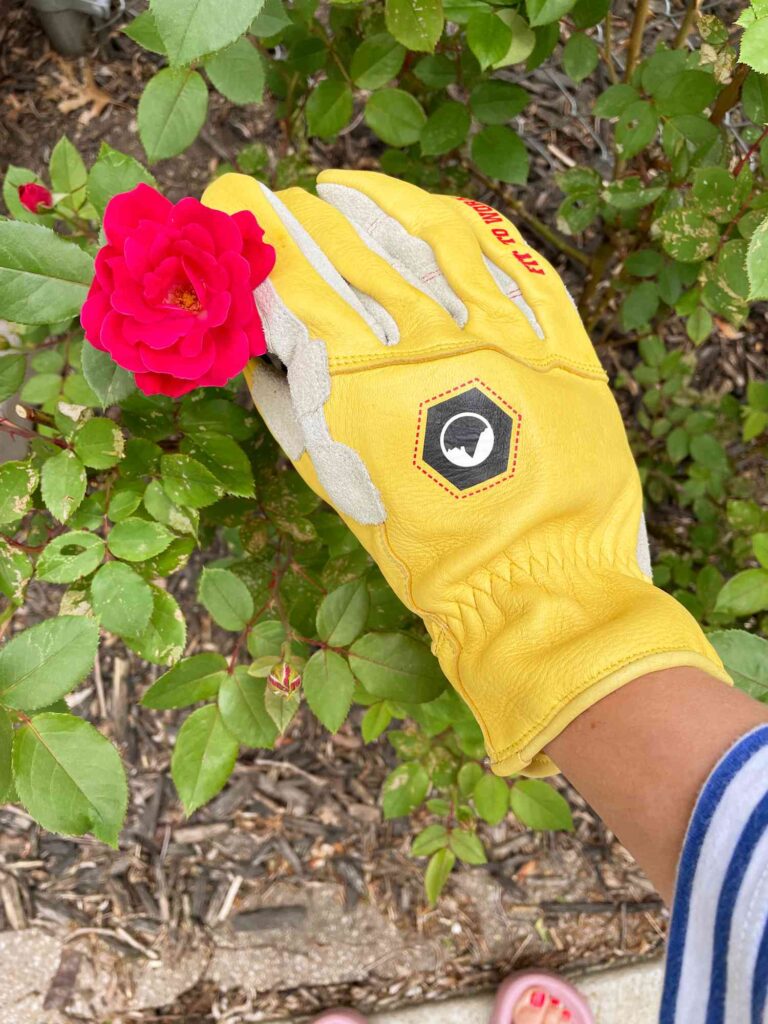
The right pruning gloves can transform rose gardening from a painful chore into a safe and enjoyable task. Look for gloves that combine thorn resistance, comfort, and extended protection. Whether you prefer goatskin for its flexibility, cowhide for rugged durability, or modern synthetic blends, investing in a high-quality pair is essential.
With proper gloves, you can prune confidently, protect your hands and arms, and focus on what matters most—cultivating stunning, healthy roses that bring beauty to your garden all season long.