Green eggplants—known for their tender flesh, mild flavor, and beautiful glossy skin—are among the easiest and most rewarding vegetables you can grow at home. Whether you have pots on a balcony, a small rooftop garden, or a backyard bed, green eggplants thrive with minimal effort when given the right conditions. Their long harvest period and continuous fruiting make them a favorite for home gardeners seeking a productive and visually attractive plant.
If you’ve ever dreamed of harvesting large, healthy green eggplants from your own garden, this Green Eggplant Success Guide will walk you through every essential step—from soil preparation to pest control and pruning methods—to help you achieve abundant yields.
Why Grow Green Eggplants?
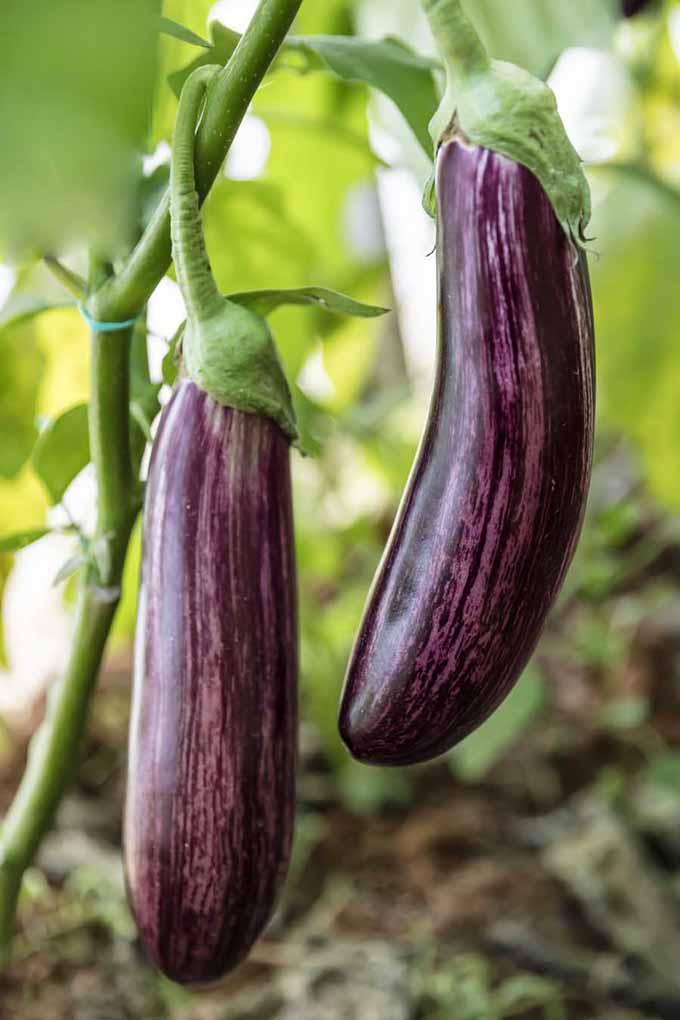
Before diving into the technical steps, it’s worth understanding why green eggplants deserve a special spot in your home garden.
✔ Long, consistent harvest
Once established, a single plant can keep producing for 8–10 months.
✔ Beautiful appearance
The glossy green fruits are ornamental and make your garden vibrant.
✔ Versatile in cooking
Perfect for curries, stir-fries, grilling, and stuffing.
✔ Heat-tolerant and hardy
Green eggplants thrive in warm climates and tolerate full sun.
✔ Suitable for containers
Even urban gardeners can grow them easily in pots.

Step 1: Choosing the Best Variety
Green eggplant varieties differ in shape, size, and taste.
Popular Green Eggplant Types
- Thai Green Eggplant – small, round, crisp
- Long Green Brinjal – long, slim, tender
- Green Globe Variety – large, round, very soft flesh
- Dwarf Green Eggplant – perfect for small pots
Select a variety based on your container size and cooking needs. Long green varieties are ideal for frying or curries, while small Thai eggplants are excellent for traditional dishes and salads.
Step 2: Soil Preparation for Maximum Growth
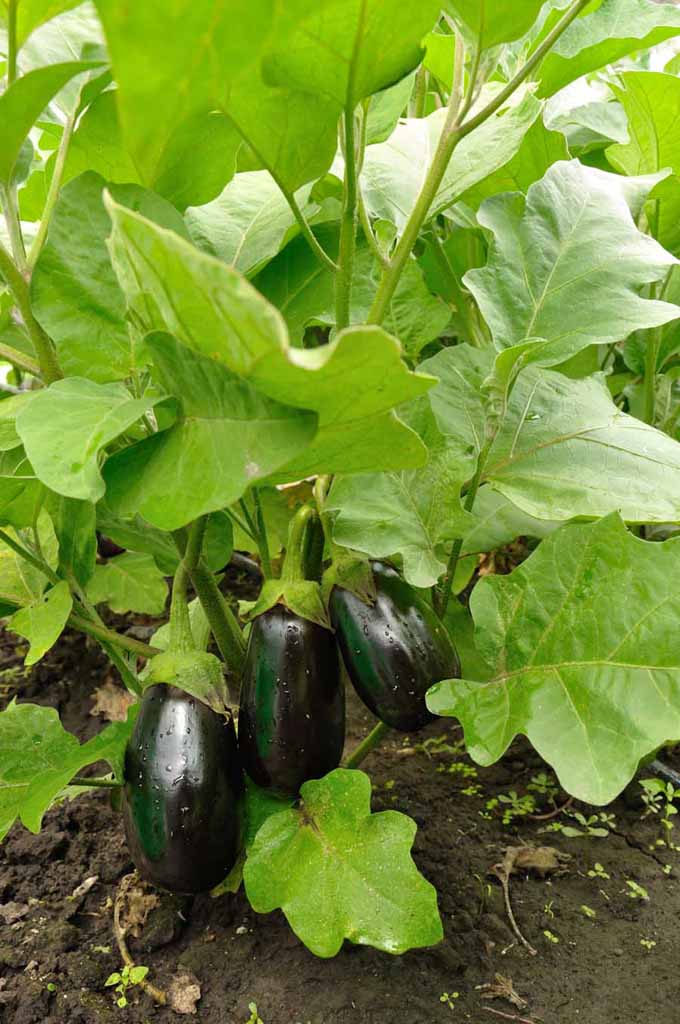
Eggplants love rich, well-draining soil.
Ideal Soil Mix for Eggplant Success
- 40% garden soil
- 30% compost or well-rotted manure
- 20% cocopeat
- 10% perlite or coarse sand
Add the following to strengthen roots and prevent diseases:
- 1 cup bone meal
- 1 cup neem cake
- ½ cup wood ash
This mix ensures:
- Good drainage
- Adequate nutrition
- Aeration for strong root development
Soil pH: Slightly acidic to neutral (6.0–7.0)
Step 3: Container Size & Placement
If growing in pots, size matters.
✔ Recommended Pot Size
- Minimum: 12–15 inches deep
- Ideal: 18-inch container (for large varieties)
✔ Sunlight
Green eggplants require 6–8 hours of direct sunlight daily.
Without good sun exposure, plants become leggy and produce fewer fruits.

Choose the sunniest corner of your balcony or rooftop.
Step 4: Starting Seeds the Right Way
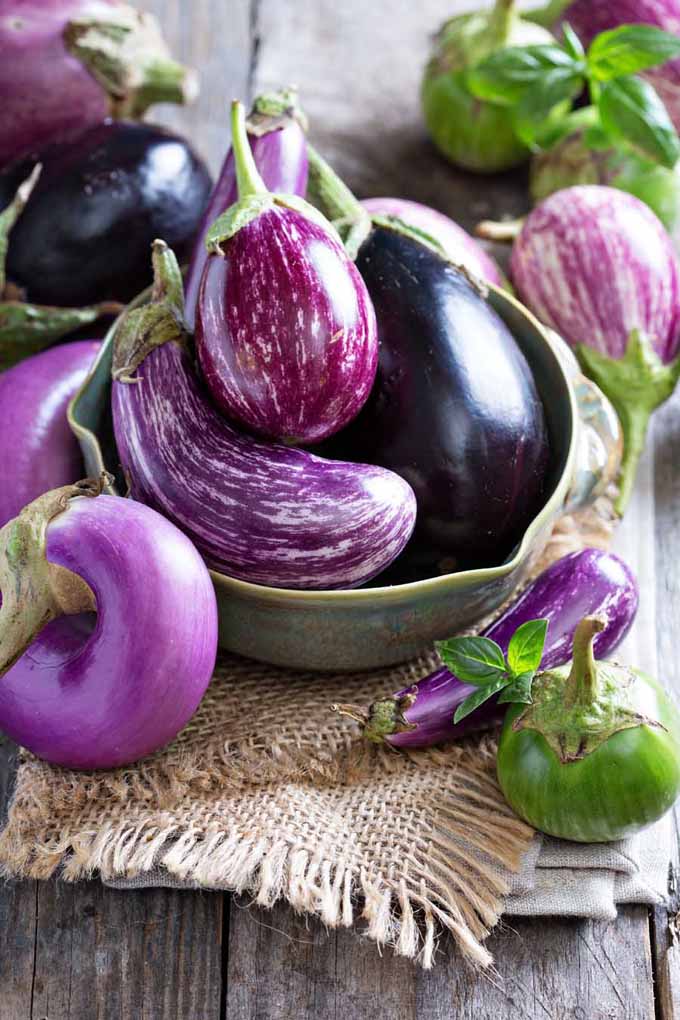
Eggplants can be started from seeds or seedlings. Starting from seeds gives you stronger plants.
How to Germinate Seeds Quickly
- Soak seeds for 6 hours in warm water
- Fill a seed tray with cocopeat
- Sow seeds 1 cm deep
- Keep in a warm, shaded place
- Mist daily to maintain moisture
Seeds germinate in 5–10 days.
Once seedlings have 4–6 true leaves, they are ready for transplanting.
Step 5: Transplanting for Strong Roots
When transplanting:
- Water seedlings well before removing them
- Plant them at the same depth as the seed tray
- Press soil gently around the roots
- Water lightly after planting
- Keep them shaded for 2 days to reduce transplant shock
Add a layer of mulch (dry leaves, rice hulls, coco chips) to lock moisture and reduce soil temperature.
Step 6: Watering Needs
Eggplants need consistent moisture but dislike waterlogging.
✔ Watering Guide
- Water daily in hot weather
- Every 2–3 days in winter
- Avoid wetting foliage—water the base
- Mulch heavily to prevent evaporation
Indicators of underwatering: droopy leaves, small fruits
Indicators of overwatering: yellow leaves, fungal growth
Step 7: Fertilizing for Heavy Yields
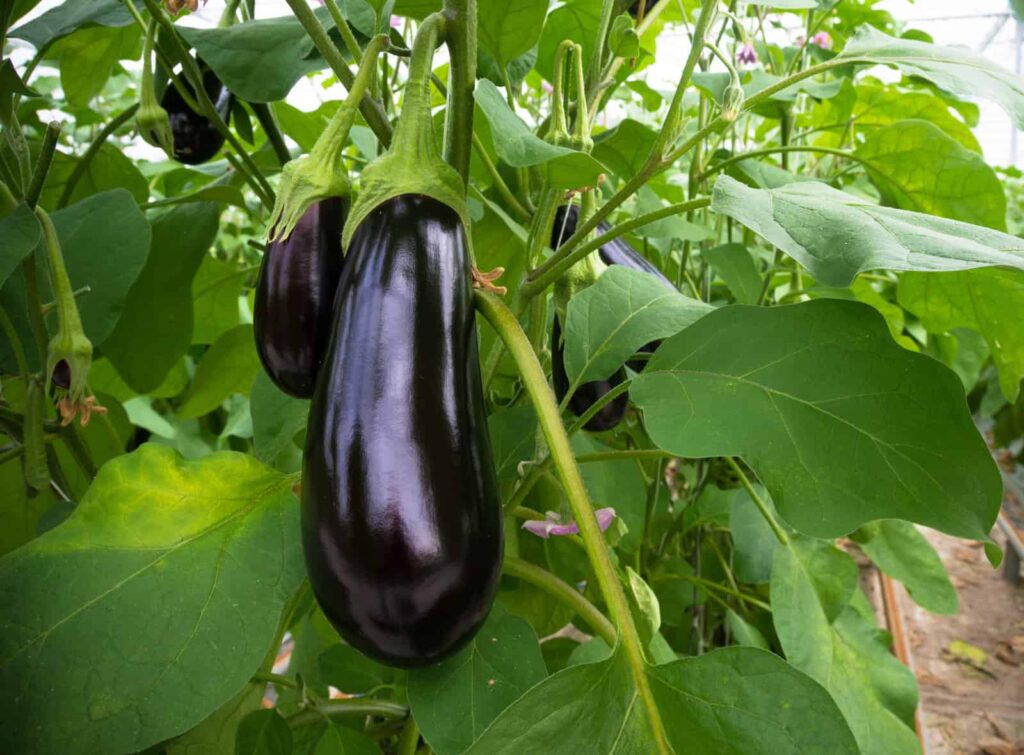
Eggplants are heavy feeders. To get big, shiny fruits, follow this feeding schedule:

At Planting Time
- Add compost, bone meal, and neem cake to the soil
After 20 Days
- Apply compost tea or vermicompost (2–3 handfuls)
After 40 Days
- Add banana peel fertilizer
- Apply diluted seaweed extract spray
During Flowering
- Use Epsom salt (1 tsp per liter) every 15 days
- Add ash for better fruit formation
During Fruiting
- Feed with organic NPK 5-10-10
- Add fish amino or JLF (optional)
This ensures strong roots, more flowers, and healthier fruits.
Step 8: Pruning & Training for Bigger Fruits
Pruning is the secret to a productive eggplant plant.
✔ How to Prune:
- Remove lower leaves touching soil
- Cut off weak, small side shoots
- Keep the plant open in the center
- Allow 3–4 main branches to develop
Pruning:
- Improves air circulation
- Prevents disease
- Helps the plant channel energy to fruit development
Stake or support branches to prevent breakage when fruits become heavy.
Step 9: Pest & Disease Management
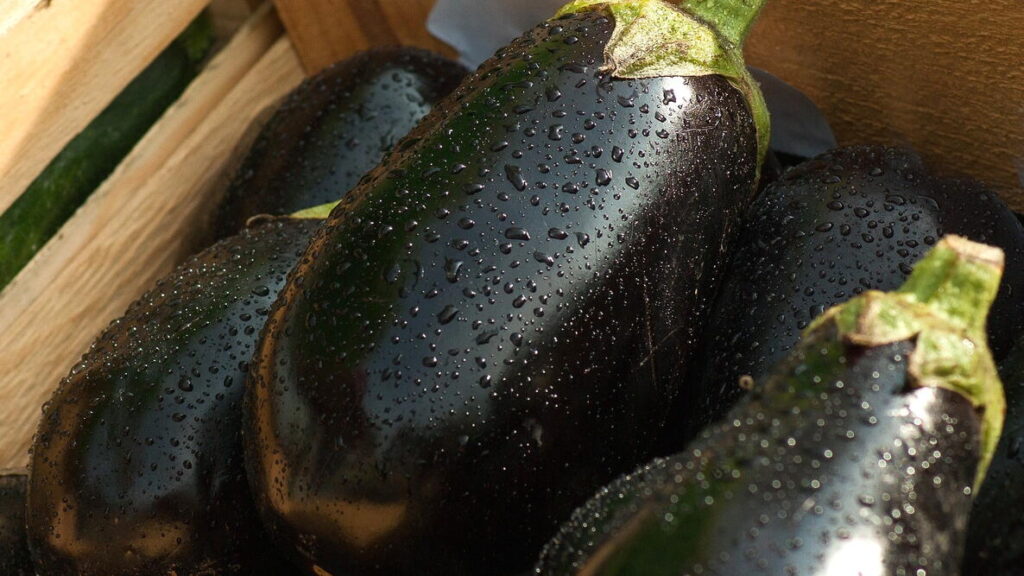
Eggplants attract common pests, but they can be controlled organically.
Common Pests
- Aphids
- Mealybugs
- Spider mites
- Whiteflies
- Leaf miners
- Fruit borers
Organic Solutions
- Neem oil spray (weekly)
- Soap water spray for early infestations
- Wood ash around the base
- Sticky yellow traps
- Garlic-chili bio pesticide
Remove heavily infested leaves immediately.
Diseases
- Wilt
- Powdery mildew
- Root rot
- Blight
Use Trichoderma and avoid overwatering to prevent fungal outbreaks.
Step 10: Harvesting Green Eggplants
Green eggplants are best harvested young and tender.

✔ When to Harvest:
- Skin is glossy, firm, and bright
- Fruit springs back when pressed
- Seeds inside are soft and white
Avoid waiting too long—overripe eggplants turn dull, bitter, and seedy.
Cut the fruit with pruning scissors, leaving 1–2 cm of stem attached.
Regular harvesting increases future production.
How to Use Fresh Green Eggplants
Green eggplants are incredibly versatile. You can:
- Stir-fry with spices
- Grill with olive oil
- Stuff with masala
- Add to curries
- Make Thai-style dishes
- Roast and mash for dips
- Add to vegetable stews
Their mild flavor absorbs spices beautifully.
Common Mistakes to Avoid
Even experienced gardeners make these errors:
Under-watering
Leads to bitter, small eggplants.
Too much shade
Plants grow tall but produce very few fruits.

Poor soil drainage
Causes root rot.
Skipping pruning
Results in messy, unproductive plants.
Ignoring pests
A few aphids quickly turn into a large infestation.
Final Thoughts: Grow Your Own Delicious Green Eggplants
Green eggplants are one of the most rewarding crops you can grow. They’re hardy, adaptable, and highly productive—perfect for beginners and experienced gardeners alike. By choosing the right soil mix, maintaining proper watering, fertilizing regularly, and managing pests naturally, you can enjoy a continuous supply of fresh, home-grown eggplants for months.
With the tips in this Green Eggplant Success Guide, your plants will be healthier, stronger, and more fruitful than ever.