Dragon fruit, also known as pitaya, is a striking tropical cactus that produces vibrant, sweet, and nutrient-packed fruits. While it’s native to Central America and thrives in tropical climates, dragon fruit can also be successfully cultivated in Sydney, Australia, thanks to its mild, temperate conditions and modern horticultural practices. Understanding the full growth cycle of dragon fruit in Sydney will help gardeners, hobbyists, and small-scale farmers maximize yields, improve fruit quality, and enjoy this exotic delight year after year.
This article dives deep into the complete life cycle of dragon fruit in Sydney—from planting and flowering to pollination, fruit development, and harvest—along with practical tips for growing strong, productive plants.
1. Choosing the Right Dragon Fruit Variety for Sydney
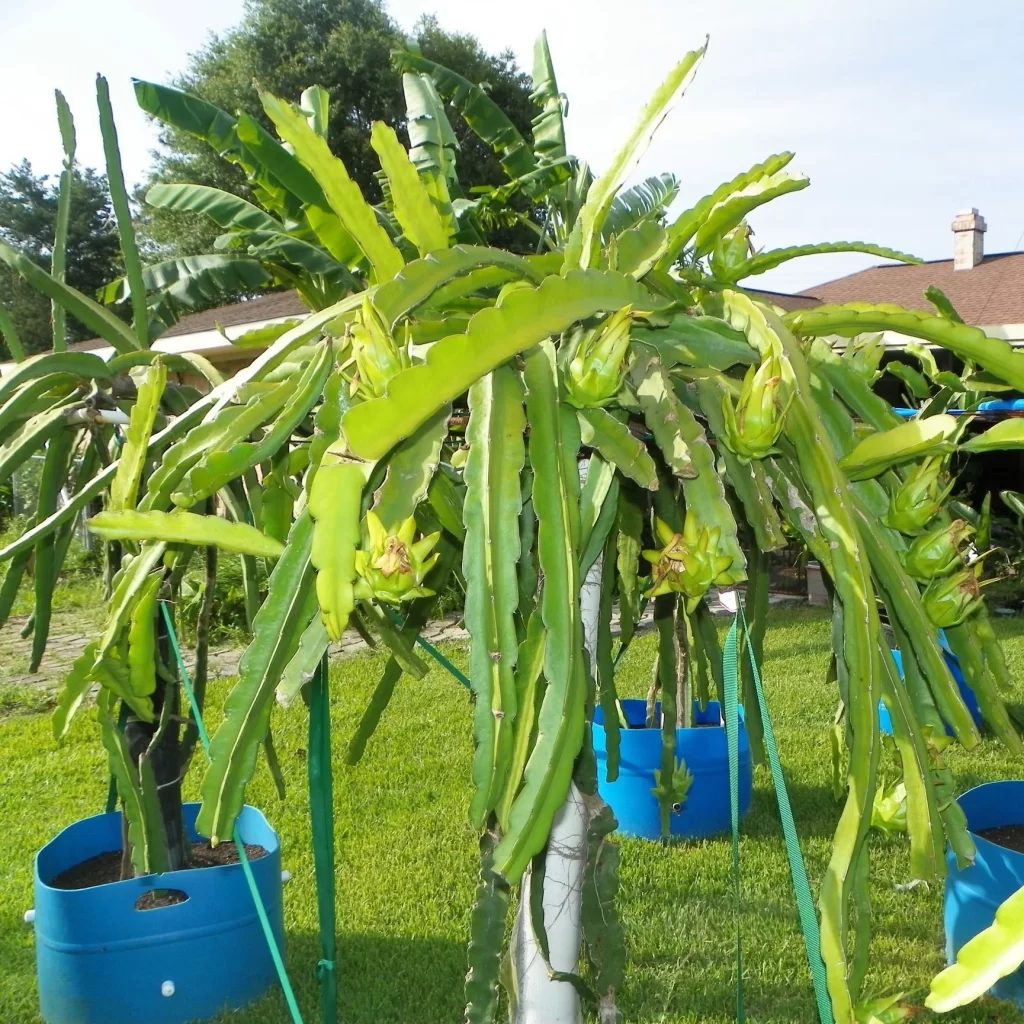
Dragon fruit comes in three main types, each with slightly different growing requirements and fruit characteristics:
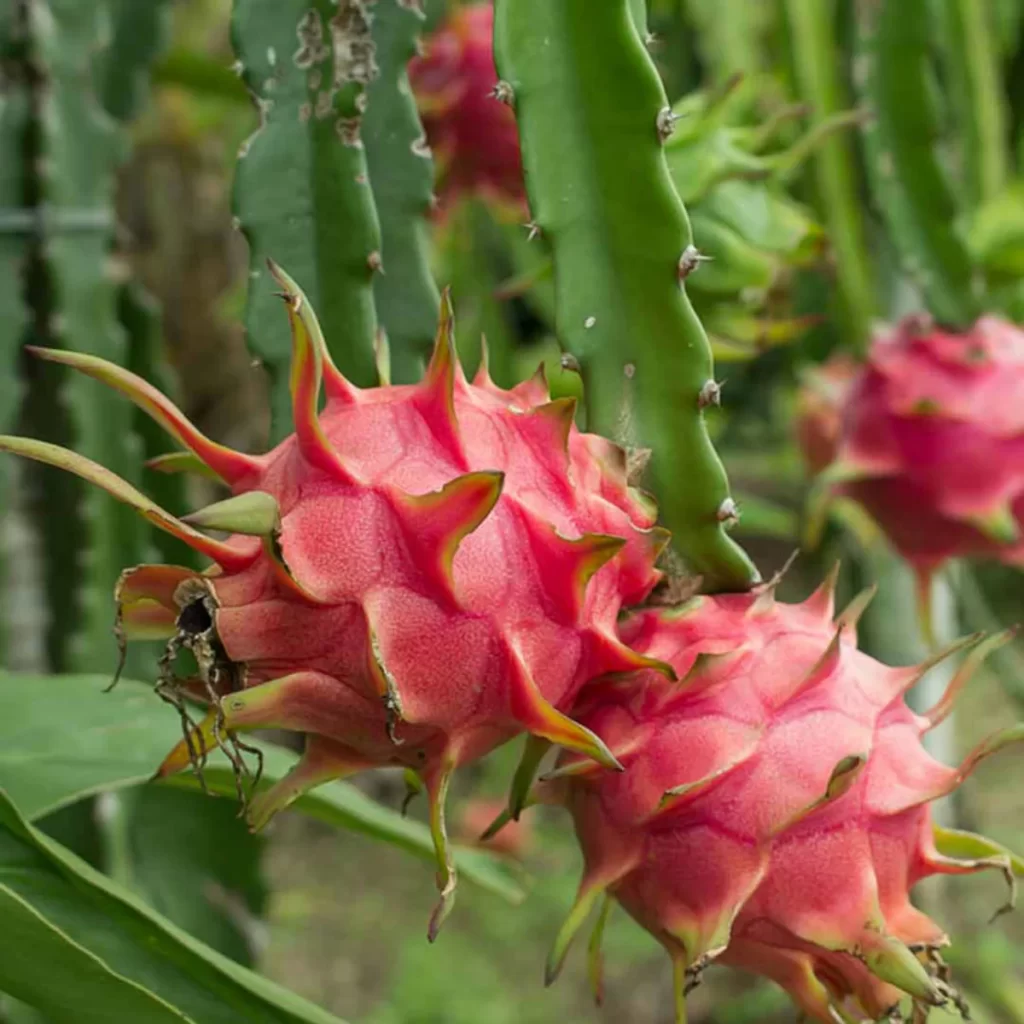
- Hylocereus undatus – White-fleshed fruit with pink skin, the most commonly grown variety.
- Hylocereus costaricensis – Red-fleshed fruit with red skin, sweeter and more vibrant.
- Hylocereus megalanthus – Yellow-skinned fruit with white flesh, less common but highly productive.
For Sydney’s climate, Hylocereus undatus is ideal for beginners due to its adaptability, disease resistance, and continuous fruiting.
2. Planting Dragon Fruit in Sydney
Best Time to Plant
- Late spring to early summer, when soil temperatures are warm
- Avoid planting during Sydney’s cold winter months
Planting Method
- Use well-draining soil—sandy loam or cactus mix is perfect.
- Support the plant with a sturdy trellis, post, or wall. Dragon fruit is a climbing cactus and needs vertical support for strong growth.
- Space plants 1.5–2 meters apart to ensure good airflow and sunlight penetration.
- Mulch around the base to retain moisture and regulate soil temperature.
In Sydney, dragon fruit plants quickly establish themselves in sunny spots, thriving on consistent warmth and minimal frost protection.
3. Vegetative Growth Stage
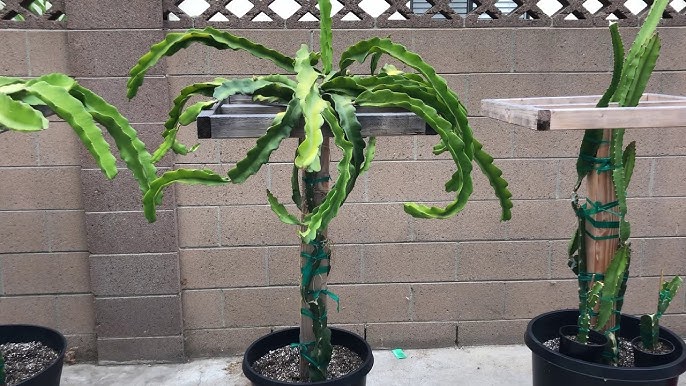
After planting, dragon fruit focuses on vegetative growth:
- Stems elongate rapidly, producing aerial roots for stability.
- New branches sprout every few months.
- Regular pruning encourages thicker stems and more branching, which later leads to increased flower production.
Tips for Healthy Vegetative Growth
- Fertilize monthly with a balanced NPK fertilizer.
- Provide full sun exposure (at least 6–8 hours per day).
- Train stems to grow along trellises or posts for optimal space usage.
Vegetative growth typically lasts 6–12 months before the plant reaches maturity and begins flowering.
4. Flowering Stage in Sydney
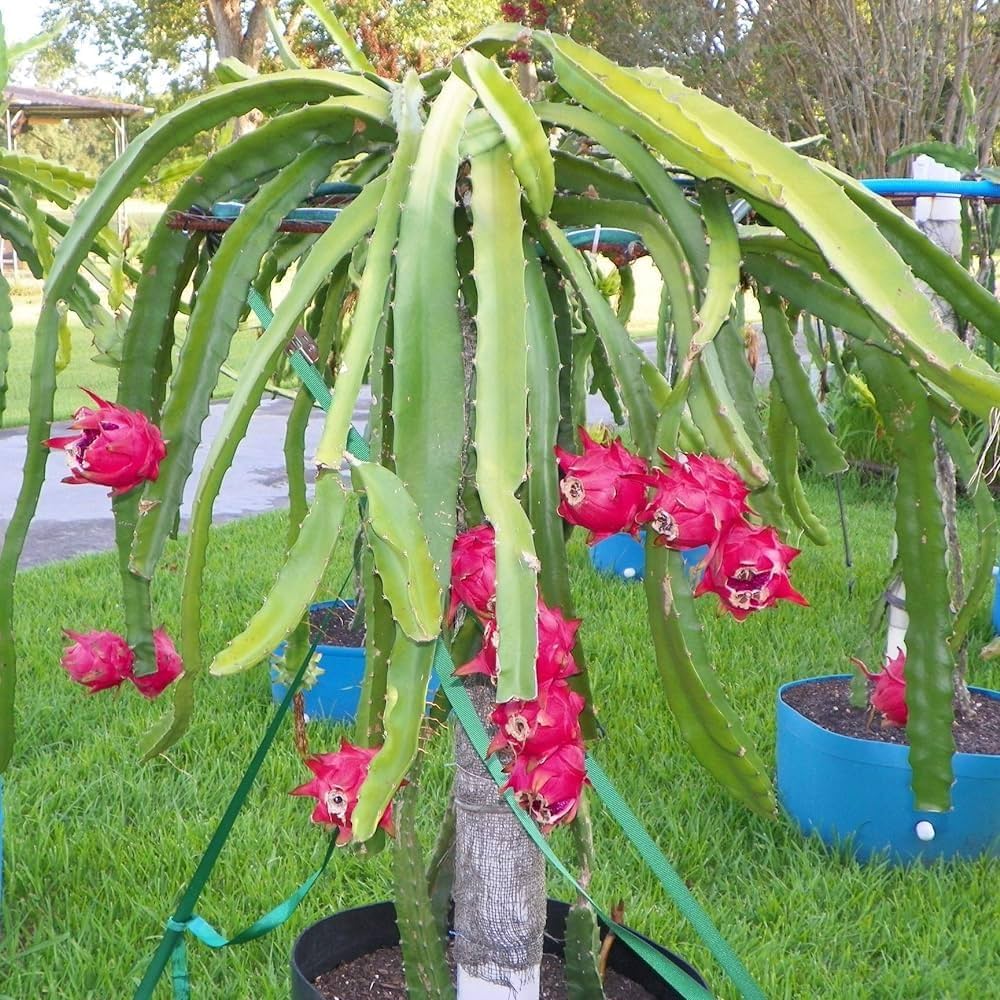
Dragon fruit flowers are one of the most spectacular sights in any garden:

- Large, white, fragrant, and nocturnal flowers that bloom at night.
- Flowers only last for 1 night, making timing crucial for pollination.
Flowering Cycle
- In Sydney, dragon fruit often flowers twice a year, with peaks in late spring and late summer.
- Flowering is influenced by light, temperature, and nutrient availability.
5. Pollination: The Key to Fruit Development
Pollination determines fruit set and quality:
- Dragon fruit is self-fertile, but hand pollination significantly increases yield.
- Flowers can be pollinated using a soft brush to transfer pollen from male to female flowers.
- If growing multiple varieties, cross-pollination can produce larger, sweeter fruits.
Pollination should be done at night or early morning, when flowers are open and receptive.
6. Fruit Set and Early Development
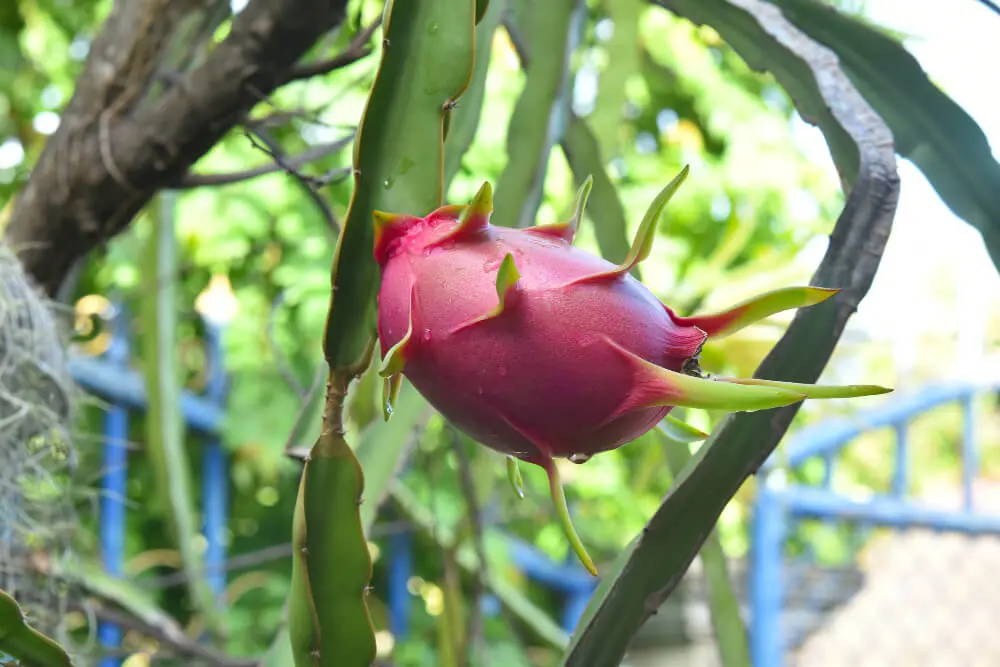
After successful pollination:
- Small fruits start to develop at the base of the flower.
- The fruit grows quickly, gaining size and weight over 30–50 days.
- During this stage, ensure consistent watering and moderate fertilization, especially potassium-rich fertilizers, which support fruit enlargement.
In Sydney’s temperate climate, fruits tend to develop well if the plant receives plenty of sunlight and protection from excessive wind.
7. Rapid Fruit Growth Stage
- Fruits can grow 1–2 cm per day under optimal conditions.
- By the mid-growth stage, they reach approximately 50–70% of their final size.
- Support heavier fruits with soft slings or mesh bags to prevent stems from breaking.
- Maintain a regular watering schedule, keeping the soil moist but not waterlogged.
Proper management during this stage is essential to avoid fruit cracking or deformation.
8. Fruit Maturation and Ripening
Dragon fruit ripens gradually:
- Skin color changes from green to bright pink or yellow, depending on variety.
- Fruit texture becomes firm yet slightly soft to the touch.
- Sugar content peaks around 35–45 days after flowering, yielding sweet, juicy fruits.
Signs of Ripeness
- Even, vibrant skin color
- Slight softness at the tips
- Aromatic fragrance
Overripe fruits may become mushy, so timely harvest is crucial.
9. Harvesting in Sydney
- Dragon fruit is typically harvested twice per year, but healthy plants can produce up to 3 cycles annually in Sydney.
- Use a sharp knife or pruners to cut the fruit, leaving a small stem attached.
- Handle with care to prevent bruising, as damaged fruits do not store well.
Harvested dragon fruits can be stored at 10–12°C for up to 2 weeks or enjoyed fresh immediately.
10. Post-Harvest Care and Plant Maintenance
- After harvest, prune old or weak stems to encourage new growth.
- Fertilize plants with high-nitrogen feed to stimulate new branches.
- Inspect for pests like mealybugs, aphids, or scale insects, and treat naturally with neem oil if needed.
- Provide trellis adjustments for new branches in preparation for the next flowering cycle.
With proper care, a single dragon fruit plant can produce for up to 20 years.
11. Common Challenges in Sydney
- Frost damage: Protect plants during rare cold snaps using frost cloths.
- Pests: Regular monitoring is key; hydroponic or container-grown plants are often less affected.
- Irregular flowering: Caused by nutrient imbalance or water stress. Adjust care to ensure consistent blooms.
- Fruit cracking: Often due to sudden overwatering or heavy rain; maintain steady moisture.
12. Tips for Maximizing Dragon Fruit Yield
- Pruning: Encourage lateral branching for more flowers.
- Trellis management: Train stems horizontally to increase flower density.
- Hand pollination: Ensures higher fruit set and quality.
- Fertilizer management: Use balanced feed during vegetative growth and potassium-rich feed during fruiting.
- Watering: Keep soil consistently moist without waterlogging.
Following these steps ensures a healthy, productive plant that delivers sweet, juicy dragon fruits year after year.
Final Thoughts: Dragon Fruit – Sydney’s Exotic Treasure
Dragon fruit in Sydney may not be as widely grown as citrus or berries, but with careful management, it thrives beautifully. From planting seedlings to enjoying the first sweet, fragrant fruit, understanding the full cycle of dragon fruit allows growers to optimize yield, enhance flavor, and enjoy the visual spectacle of night-blooming flowers.
Whether you’re a hobbyist with a balcony or a small farmer in western Sydney, dragon fruit offers exotic flavor, vibrant aesthetics, and rewarding harvests. With dedication, proper care, and attention to its unique growth cycle, Sydney’s gardeners can enjoy this tropical delicacy year after year.