Cucumber cultivation has always been a staple in agriculture, but with the advent of modern technology, the process has transformed from traditional open-field farming to highly efficient greenhouse production. Today, using state-of-the-art agricultural techniques, it’s possible to produce an astonishing number of cucumbers—up to 69 million—in a controlled environment. This article explores how greenhouse farming, smart technology, and modern cultivation methods make such a feat achievable.
The Rise of Greenhouse Farming
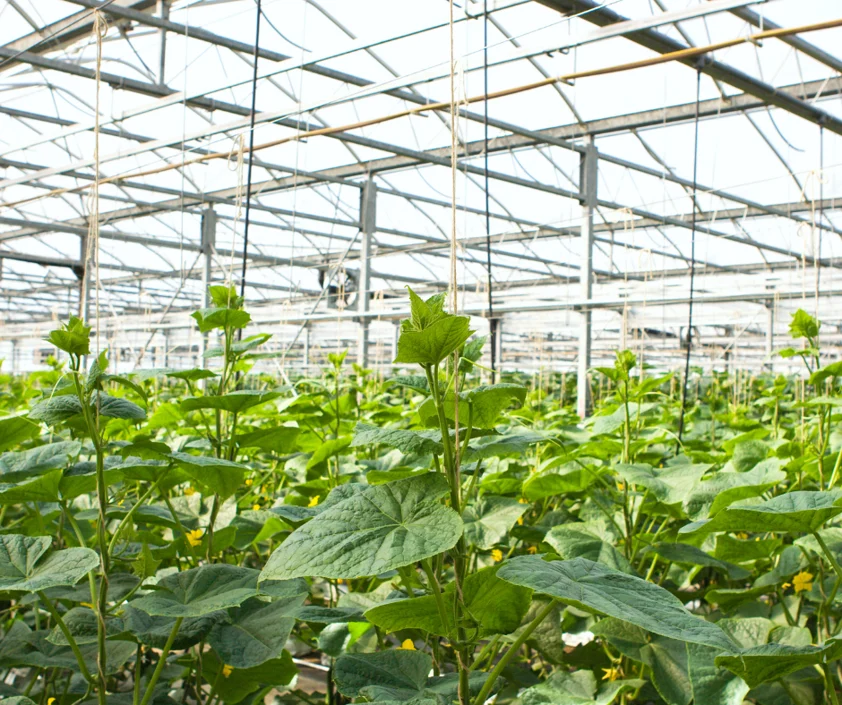
Greenhouse farming is not just a trend—it’s a necessity for modern agriculture. By providing a controlled environment, greenhouses allow crops to thrive regardless of external weather conditions. This ensures year-round production, reduces dependency on seasonal changes, and minimizes losses due to pests or diseases. Cucumbers, being delicate and sensitive to temperature fluctuations, particularly benefit from greenhouse cultivation.
In a greenhouse, temperature, humidity, and light can be meticulously controlled, providing ideal conditions for cucumber growth. High-tech greenhouses employ climate control systems that automatically adjust these parameters, allowing plants to grow faster and healthier.
High-Density Planting for Maximum Yield
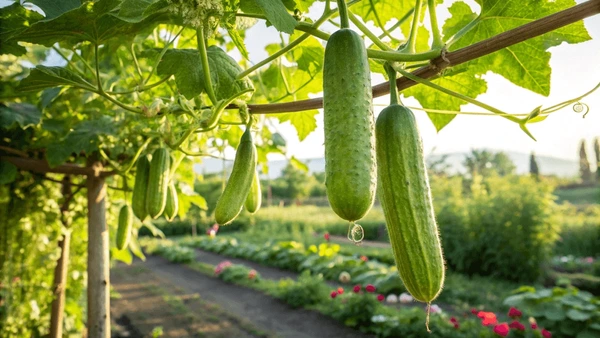
One of the key strategies to achieve massive cucumber production is high-density planting. In traditional farming, plants are spaced widely apart, limiting the number of plants per area. However, in a greenhouse, vertical farming techniques and trellising systems allow growers to maximize space. Cucumbers can climb trellises, reducing ground area usage and enabling more plants per square meter.

Modern greenhouses often use multi-tiered shelving systems with hydroponic channels, allowing cucumbers to grow vertically. This method not only saves space but also increases air circulation and sunlight exposure for each plant, leading to healthier growth and higher yields.
Hydroponics: The Future of Cucumber Farming
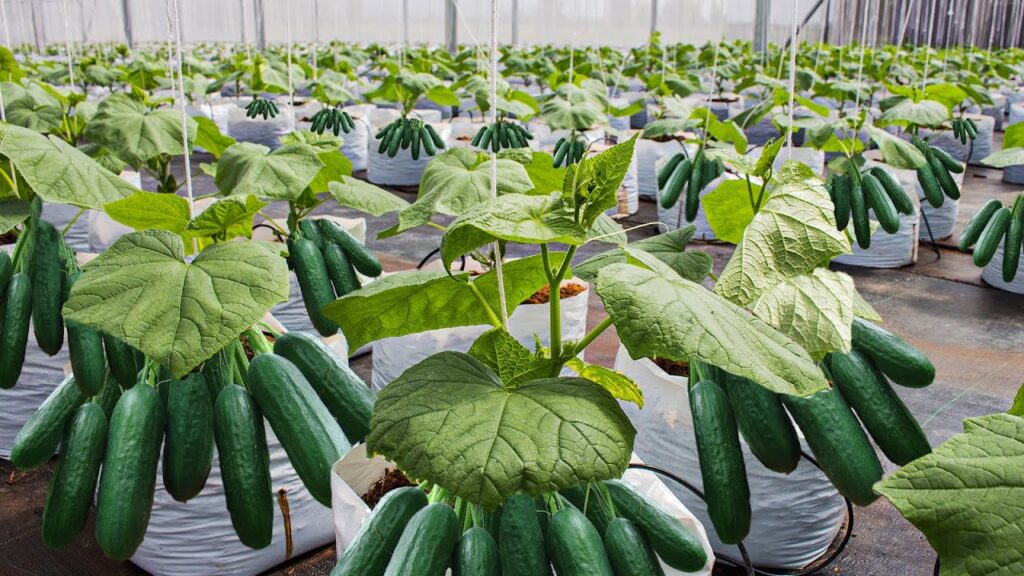
Hydroponics is a soil-less cultivation method where plants are grown in nutrient-rich water solutions. This system allows precise control over nutrient delivery, ensuring each cucumber plant receives exactly what it needs for optimal growth. By eliminating soil-related issues such as pests, diseases, and uneven nutrient distribution, hydroponics boosts productivity and quality.
Many modern cucumber greenhouses adopt hydroponic systems combined with drip irrigation. This method ensures consistent water and nutrient supply directly to the roots, reducing waste and promoting uniform growth. Studies show that hydroponically grown cucumbers can produce up to 30-50% higher yields compared to traditional soil farming.
Automation and Smart Farming Technologies
Growing millions of cucumbers manually would be impossible without automation. Modern greenhouses integrate robotics, sensors, and artificial intelligence to monitor and manage plant growth. Automated systems control irrigation, nutrient delivery, pruning, and even harvesting in some cases.

Sensors placed throughout the greenhouse track temperature, humidity, CO2 levels, and light intensity. AI algorithms analyze this data in real-time, making adjustments to optimize growth conditions. For instance, if a section of the greenhouse is too warm, cooling systems activate automatically. If nutrients are low, the hydroponic system adjusts the solution composition instantly.
This integration of smart technology minimizes labor costs, reduces human error, and ensures consistent, high-quality cucumber production at scale.
Pest and Disease Management
A major challenge in cucumber farming is pest and disease control. Greenhouse environments help by creating barriers against insects and pathogens, but vigilance is still necessary. Modern greenhouses use integrated pest management (IPM) strategies, including beneficial insects, biological control agents, and minimal-use eco-friendly pesticides.
By monitoring plants closely with digital imaging and AI-powered disease detection, growers can identify problems early. This proactive approach prevents outbreaks, ensures healthy crops, and avoids significant losses that could compromise the goal of producing millions of cucumbers.

Efficient Harvesting Techniques
Harvesting millions of cucumbers requires careful planning. In high-yield greenhouses, cucumbers are often harvested every few days to maintain fruit quality and maximize production. Automated harvesting machines, conveyor systems, and skilled labor work together to handle large-scale harvests efficiently.
Additionally, modern greenhouses implement post-harvest management systems to extend shelf life. Temperature-controlled storage, rapid sorting, and packaging ensure cucumbers remain fresh from the greenhouse to the consumer’s table.
Sustainability and Resource Management
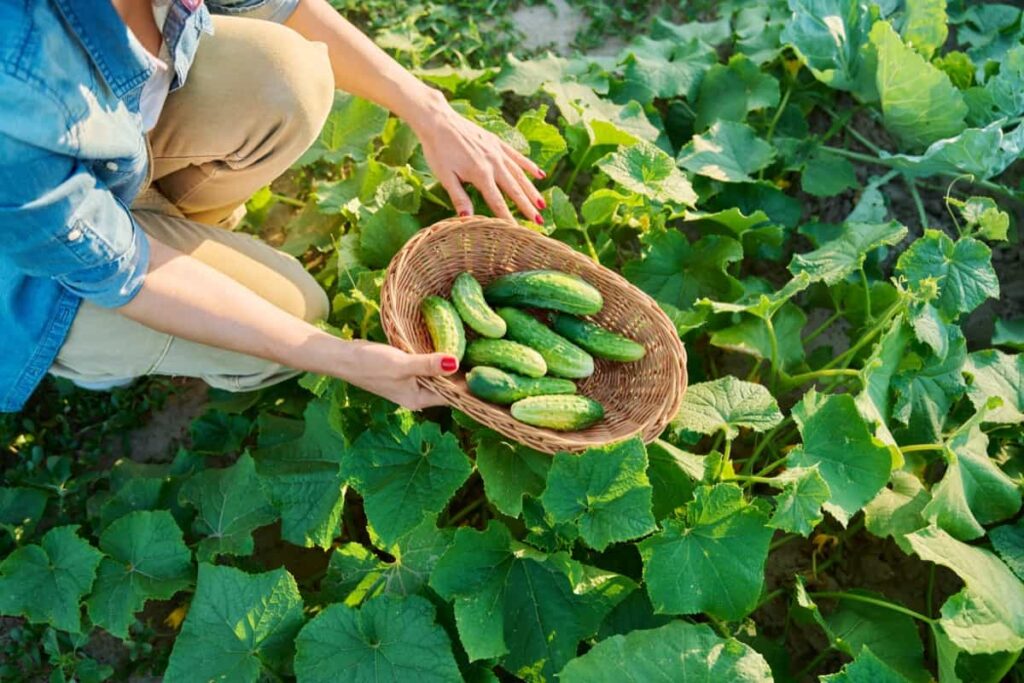
Producing 69 million cucumbers is impressive, but sustainable practices are crucial for long-term viability. Modern greenhouses focus on water conservation, energy efficiency, and minimal environmental impact. Hydroponic and aeroponic systems significantly reduce water usage compared to traditional farming. Solar panels, LED grow lights, and energy-efficient climate control systems help minimize the carbon footprint of large-scale cucumber production.
Waste management is another important aspect. Organic waste such as leaves and stems can be composted and recycled as natural fertilizer, creating a circular and eco-friendly farming system.

The Economic Impact of Modern Cucumber Greenhouses
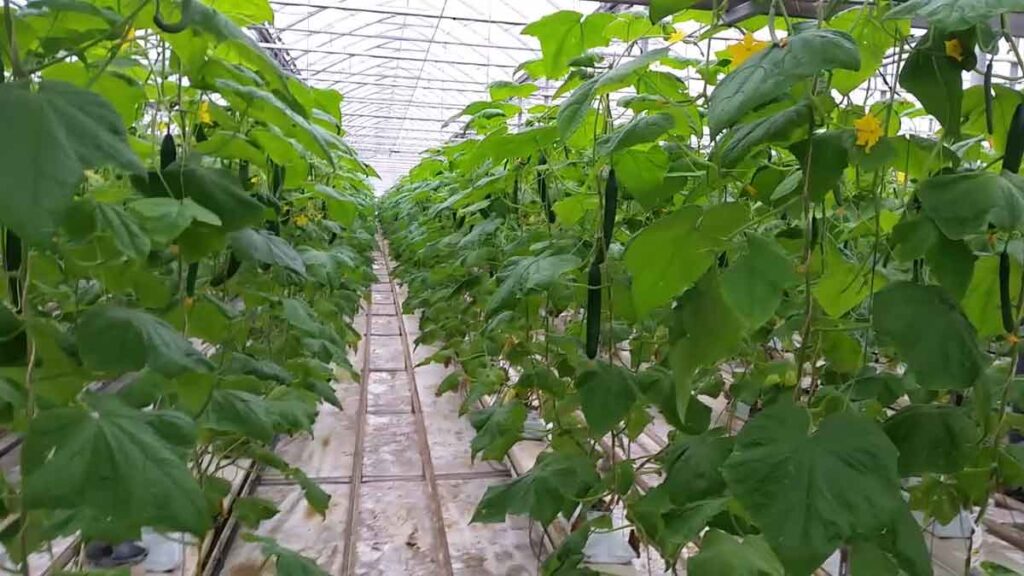
High-tech greenhouse cucumber farming is not just about numbers—it has significant economic benefits. By producing massive quantities in a controlled environment, farmers can meet market demands year-round, stabilize prices, and reduce dependence on imports. The efficiency and high yield also increase profitability, attracting investment in modern agricultural technology.
Moreover, these greenhouses can serve as educational hubs for agronomists, students, and aspiring farmers. By demonstrating advanced techniques, they promote knowledge sharing and innovation in the agricultural sector.
Conclusion
The journey from seed to harvesting 69 million cucumbers is a remarkable testament to human ingenuity and modern agricultural technology. By combining greenhouse environments, high-density planting, hydroponics, automation, and sustainable practices, it is possible to achieve extraordinary productivity while maintaining quality and reducing environmental impact.
For anyone looking to scale cucumber production, investing in modern greenhouse technology is no longer optional—it’s essential. With careful planning, smart systems, and dedication, the dream of harvesting millions of cucumbers efficiently is entirely achievable. Modern agriculture is not just about feeding the world; it’s about doing so intelligently, sustainably, and at an unprecedented scale.