Farming has always been more than just planting seeds and harvesting crops. Today, it is increasingly recognized as a precise science, combining biology, technology, and innovative techniques to grow fresh, nutritious, and high-yield vegetables efficiently. Among the leaders in this field, Korean scientists have pioneered methods that blend traditional agriculture with cutting-edge research, ensuring year-round production of high-quality vegetables.
In this article, we explore how Korean scientists approach vegetable farming as a science, the techniques they use, and what lessons home gardeners and commercial farmers can learn from them.
Farming: A Scientific Approach
Traditional farming relies heavily on experience, observation, and seasonal patterns. However, modern farming treats agriculture as a complex scientific process. Korean scientists emphasize that every step—from seed selection to harvest—is controlled and measured to optimize yield and quality.
Key scientific principles in modern vegetable farming include:
- Plant physiology: Understanding growth cycles and nutrient needs.
- Soil science: Maintaining optimal soil pH, structure, and microbiome.
- Hydroponics & soilless culture: Using nutrient solutions instead of soil.
- Environmental control: Regulating light, temperature, humidity, and CO₂ levels.
- Data-driven farming: Monitoring plant health and growth using sensors and AI.
By treating farming as an exact science, they can produce uniform, fresh, and nutrient-rich vegetables throughout the year.
Step 1: Selecting the Best Seeds
Korean scientists start with high-quality seeds, often developed through selective breeding or genetic research. Seed selection is critical because it determines the plant’s growth rate, disease resistance, flavor, and yield.
Seed Characteristics to Consider
- Germination rate
- Disease resistance
- Growth uniformity
- Nutritional content
Many scientists also focus on developing hybrid seeds specifically designed for hydroponic systems or controlled environment agriculture (CEA), which are essential for urban farming and year-round production.
Step 2: Optimizing Water and Nutrient Supply
Water and nutrients are the lifeblood of vegetable plants. Korean scientists use precise methods to ensure that plants get exactly what they need:
Hydroponics and Soilless Systems
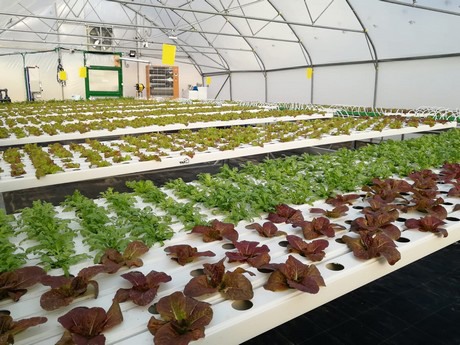
- Plants are grown in nutrient-rich solutions instead of soil.
- Precise control over nutrients ensures maximum growth.
- Reduces water usage by up to 90% compared to traditional farming.
Nutrient Management
- Continuous monitoring of pH and EC (electrical conductivity) levels.
- Adjustment of nutrient composition according to plant growth stages.
- Use of natural additives and organic supplements for healthier produce.
This scientific approach reduces waste, prevents nutrient deficiencies, and results in uniform, fast-growing vegetables.
Step 3: Controlled Environment Agriculture
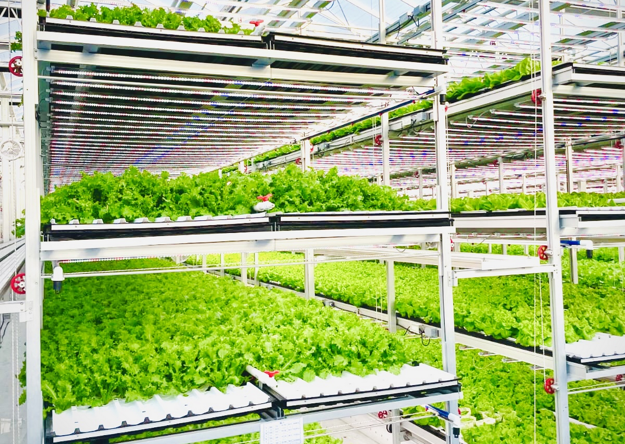
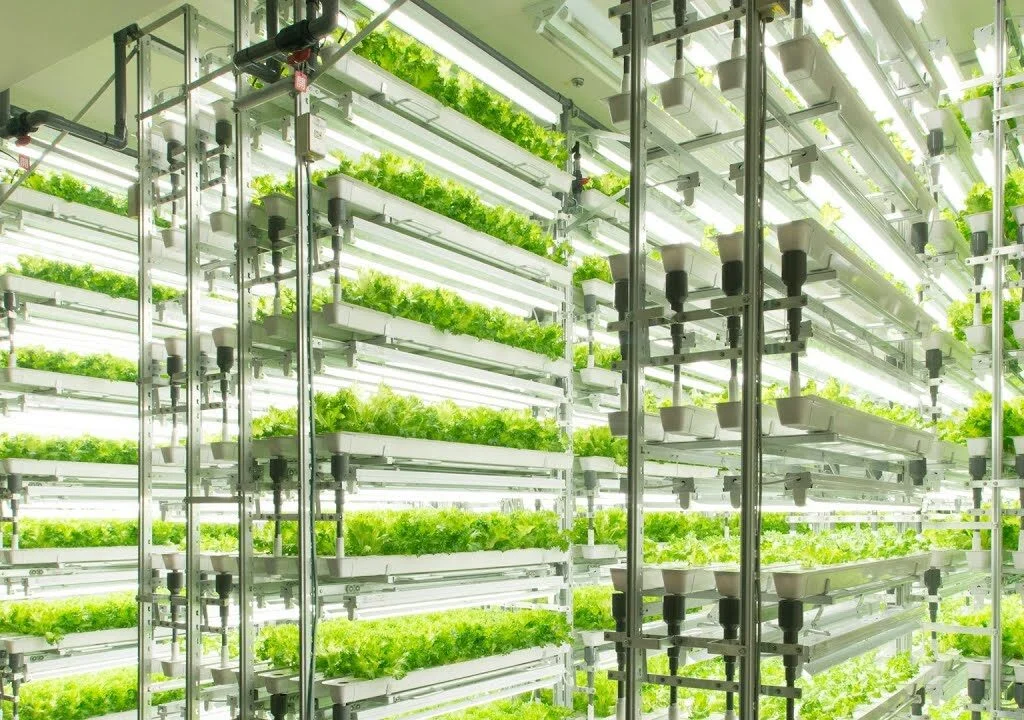
Korean scientists often use greenhouses, vertical farms, and indoor growing systems to maintain ideal conditions for plants.
Environmental Parameters
- Temperature: Optimized for specific crops
- Humidity: Controlled to prevent fungal infections
- Light: LED lights mimic natural sunlight and can be adjusted for plant growth stages
- CO₂ Levels: Boosts photosynthesis and growth rates
By controlling these factors, vegetables can grow faster, healthier, and with better taste than those grown outdoors. This method also eliminates dependency on seasons, allowing fresh produce year-round.
Step 4: Disease and Pest Management
Pests and diseases are major challenges in vegetable farming. Korean scientists use integrated pest management (IPM) combined with modern scientific techniques:
IPM Practices
- Biological control: Introducing natural predators or beneficial insects
- Disease-resistant varieties: Planting seeds that are naturally resistant
- Environmental control: Managing humidity and air circulation to reduce fungal growth
Minimal Pesticides
- Using targeted organic treatments only when necessary
- Avoiding harmful chemicals ensures vegetables are safe and healthy
This science-based pest control helps maintain high-quality, fresh produce without compromising safety.
Step 5: Data-Driven Farming
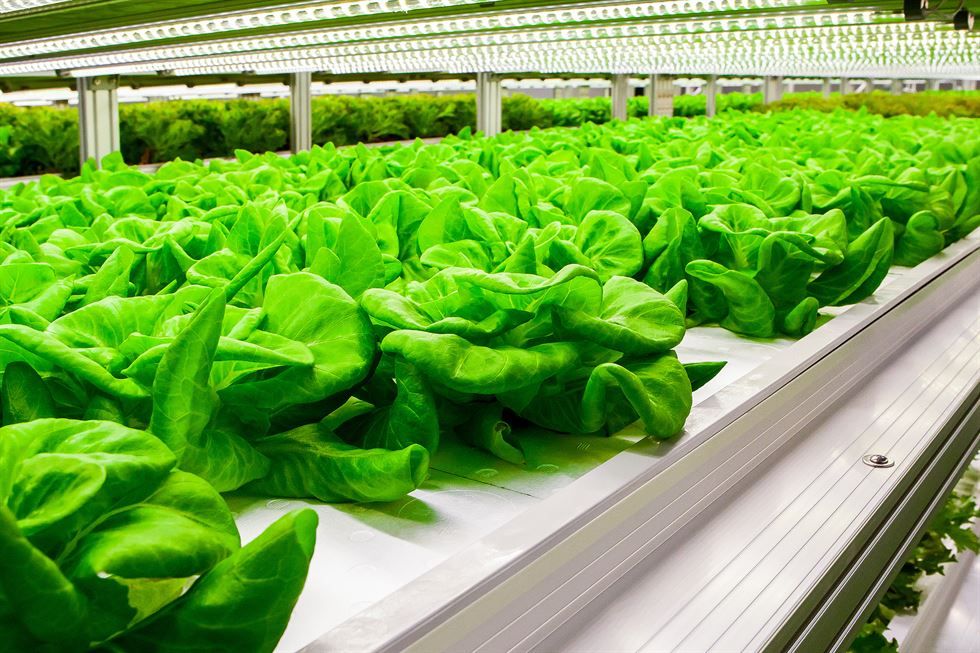
One of the hallmarks of modern Korean vegetable farming is the integration of technology and data analysis.
Technologies Used
- Sensors for soil moisture, temperature, and nutrient levels
- Cameras and AI for monitoring plant health and detecting early signs of disease
- Automated irrigation and nutrient delivery systems
- Software to track growth cycles and predict harvest times
With this approach, farmers can make precise adjustments, reduce waste, and maximize both yield and quality.
Step 6: Harvesting and Post-Harvest Care
Korean scientists also focus on timely harvesting and careful post-harvest handling to ensure freshness:
- Harvesting at the peak of ripeness for maximum flavor and nutrition
- Immediate cooling and storage to extend shelf life
- Minimal handling to prevent bruising and spoilage
Some vegetables are even packaged and transported under controlled conditions, ensuring they reach consumers fresh and healthy.
Step 7: Examples of Scientifically-Grown Vegetables
Korean scientists have successfully applied these techniques to a wide range of vegetables:
- Leafy greens: Lettuce, spinach, and kale thrive in hydroponic vertical farms
- Fruiting vegetables: Tomatoes, cucumbers, and peppers produce consistently large, flavorful fruits
- Root vegetables: Carrots and radishes grow faster and uniform in nutrient-controlled media
This approach ensures a steady supply of fresh, high-quality vegetables even in urban settings.
Step 8: Lessons for Home Gardeners and Farmers
Even if you’re not a scientist, you can adopt some of these principles:
- Treat gardening as a science: Observe, record, and adjust your care methods.
- Use quality seeds: Better starting material means better crops.
- Optimize soil and nutrients: Compost, organic fertilizers, and balanced nutrient solutions matter.
- Control water and light: Consistent watering and sunlight exposure improve growth.
- Monitor plant health: Regularly inspect for pests and diseases.
- Experiment with small-scale hydroponics: Even a few containers can mimic scientific methods.
By adopting a scientific mindset, gardeners can produce fresher, healthier, and higher-yielding vegetables at home.
Step 9: The Future of Science-Driven Farming
Korean scientists are continuously innovating:
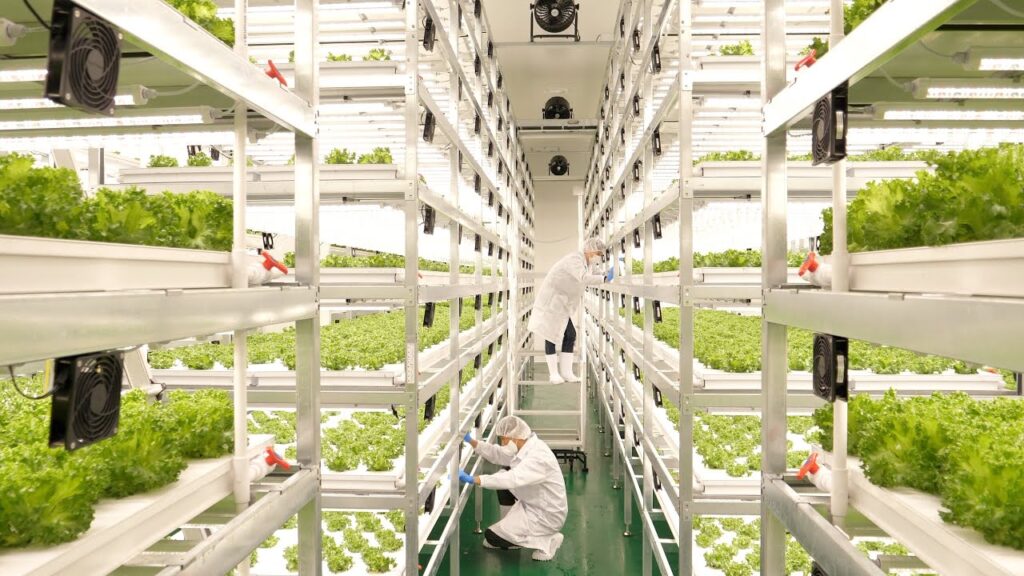
- Urban vertical farms reduce space usage while maximizing yield
- Automated greenhouses adjust temperature, light, and nutrients automatically
- Genetic research develops disease-resistant and nutrient-rich varieties
- Sustainable practices reduce water usage, energy, and chemical inputs
These advancements are shaping the future of agriculture, making fresh vegetables more accessible, nutritious, and sustainable.
Conclusion: Farming is Science, and Science Delivers Freshness
The process of growing fresh vegetables is no longer left to chance—it is now a scientific endeavor. Korean scientists have shown that precision, research, and technology can transform traditional farming into a highly efficient and productive system.
From careful seed selection to nutrient management, controlled environments, pest control, and data-driven decisions, every step is optimized for freshness and quality. Home gardeners and farmers worldwide can learn from these scientific methods to improve their own crops, whether in a backyard garden, balcony, or urban farm.