Dragon fruit, also known as pitahaya, is one of the most striking and exotic fruits you can grow at home. Its vibrant pink or yellow skin, speckled with green scales, and succulent, sweet interior make it a favorite among gardeners and fruit lovers alike. While many assume dragon fruit can only be grown from cuttings, it is entirely possible to grow it from seeds—with patience, care, and the right techniques.
This guide walks you through everything you need to know to grow dragon fruit from seeds—from germination to flowering and harvesting. Whether you have a small balcony, rooftop, or backyard, you can cultivate this tropical gem successfully.
Why Grow Dragon Fruit from Seeds?
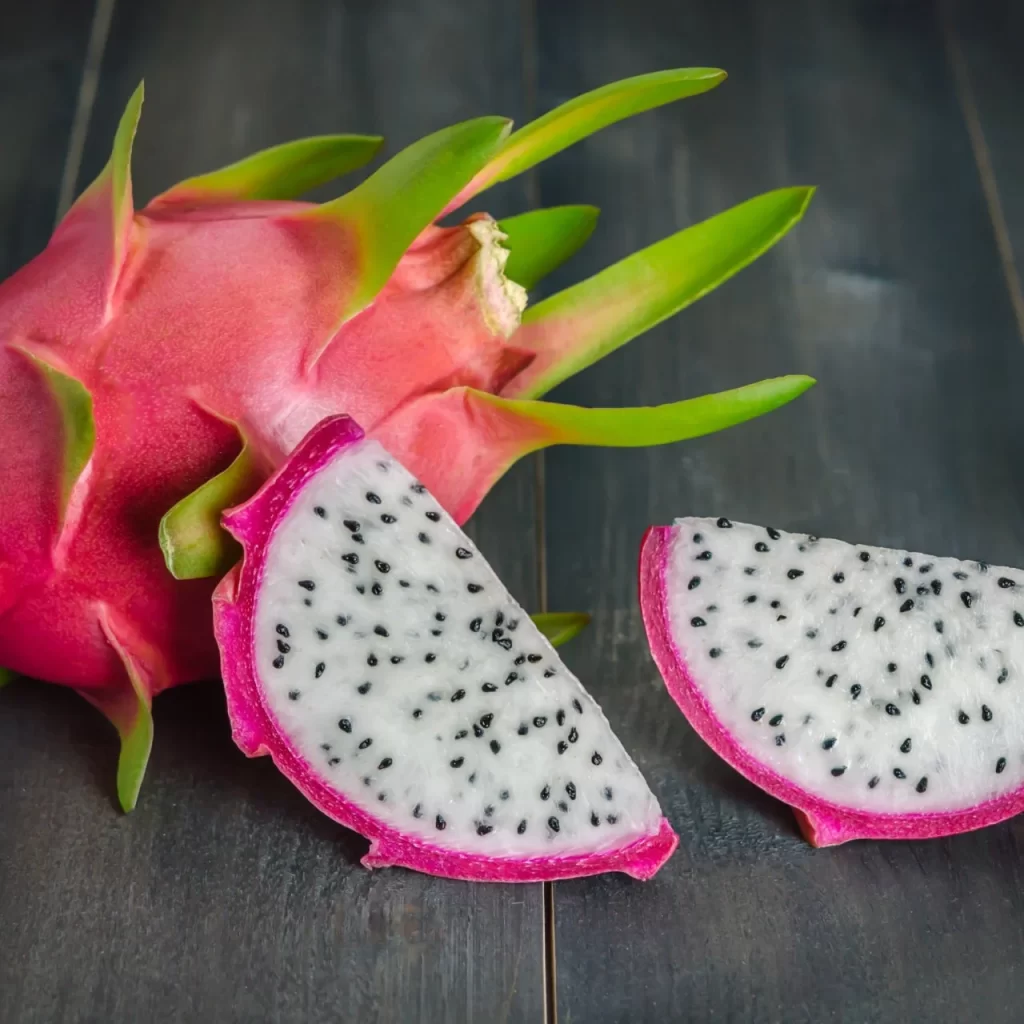
Growing dragon fruit from seeds has unique advantages:
✔ Cost-effective
Instead of buying cuttings, a single fruit can yield dozens of seeds for multiple plants.
✔ Experimentation and Variety
Seed-grown plants may develop unique characteristics and flavors.

✔ Satisfaction
There’s an incredible sense of achievement in growing such a spectacular plant from a tiny seed.
✔ Educational
Perfect for gardeners who enjoy learning about germination, plant growth, and propagation techniques.
Step 1: Selecting the Right Dragon Fruit Seeds
Not all seeds are created equal. Here’s what to look for:
Source of Seeds
- Buy seeds from ripe, organic dragon fruits.
- Avoid overripe or moldy fruits.
Seed Quality
- Pick seeds that are black, plump, and firm.
- Discard any shriveled, pale, or damaged seeds.
Varieties
Dragon fruit comes in different types:
- Hylocereus undatus – White flesh, pink skin
- Hylocereus costaricensis – Red flesh, pink skin
- Hylocereus megalanthus – White flesh, yellow skin
Choosing seeds from the variety you like ensures the fruit’s flavor and color.

Step 2: Preparing Seeds for Germination
Dragon fruit seeds have a hard outer coating, so preparation is key:
- Extract Seeds
- Scoop seeds from the fruit pulp.
- Rinse thoroughly in water to remove pulp residue.
- Drying (Optional)
- Spread seeds on a paper towel for 1–2 days.
- Keep away from direct sunlight.
- Pre-soaking for Better Germination
- Soak seeds in lukewarm water for 24 hours.
- This softens the outer coat and speeds up germination.
Step 3: Choosing the Right Germination Medium
Dragon fruit seeds germinate best in a light, well-draining mix.
Recommended Medium:
- 50% cocopeat or peat moss
- 50% perlite or fine sand
Alternative: a standard seed-starting mix works well.
Container Choice:
- Shallow trays, seedling pots, or small cups with drainage holes
- Clear plastic trays or mini-greenhouses help retain humidity
Step 4: Sowing Dragon Fruit Seeds
- Moisten the soil lightly.
- Spread seeds evenly on the surface.
- Cover lightly with a thin layer of medium (1–2 mm).
- Mist gently to avoid displacing seeds.
- Cover with a transparent lid or plastic wrap to maintain humidity.
Tip: Keep soil moist but not waterlogged. Dragon fruit seeds hate soggy conditions.
Step 5: Germination Conditions
Dragon fruit seeds are tropical, so warmth and light are critical.

Ideal Conditions:
- Temperature: 20–30°C
- Light: bright but indirect sunlight
- Humidity: 70–90%
- Germination Time: 1–4 weeks
Tip: Check daily. If the medium dries, mist lightly.
Step 6: Caring for Seedlings
Once seeds sprout, seedlings require gentle care:
- Sunlight
- Gradually introduce seedlings to full sunlight.
- Start with 2–3 hours a day, then increase.
- Watering
- Keep the soil slightly moist.
- Avoid overwatering, which can cause root rot.
- Fertilization
- Use a mild liquid fertilizer every 2–3 weeks.
- Avoid strong nitrogen fertilizers early; they can damage tender seedlings.
- Thinning
- Once seedlings have 2–3 true leaves, thin to one per pot.
Step 7: Transplanting to Bigger Pots or Ground
Seedlings grow slowly at first but require more space as they mature.
When to Transplant:
- When seedlings reach 6–8 inches in height
- After 3–4 months of growth
Container Recommendations:
- Large pots (30–50 liters)
- Growbags or raised beds with good drainage
Soil Mix for Mature Plants:
- 40% garden soil
- 30% compost
- 20% cocopeat or sand
- 10% perlite
Dragon fruit prefers slightly acidic to neutral soil (pH 6–7).
Step 8: Sunlight and Support for Mature Plants
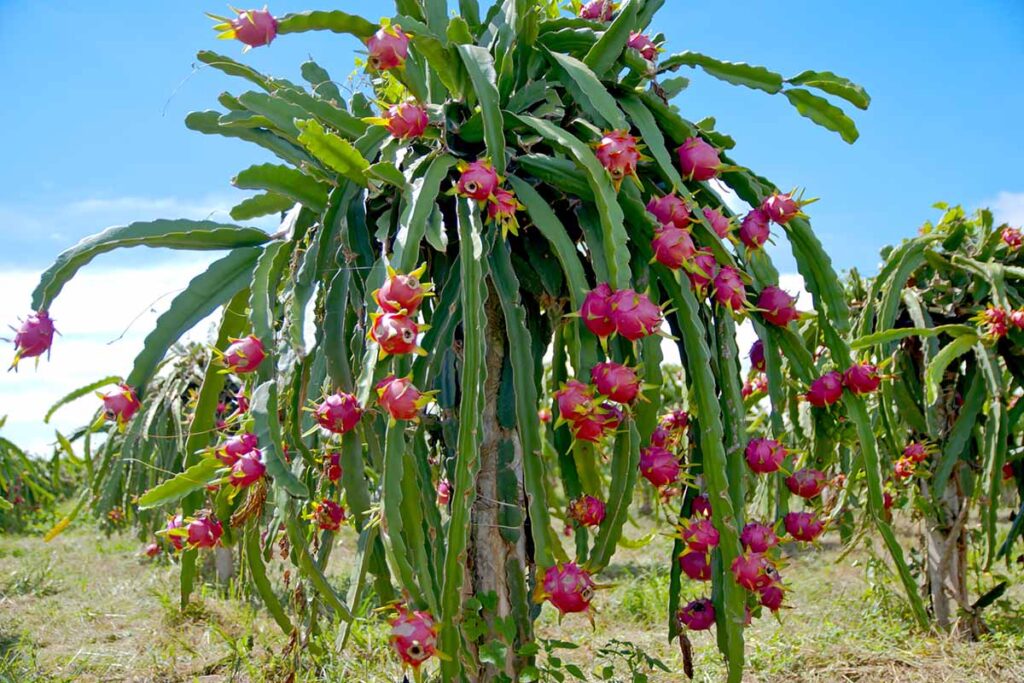
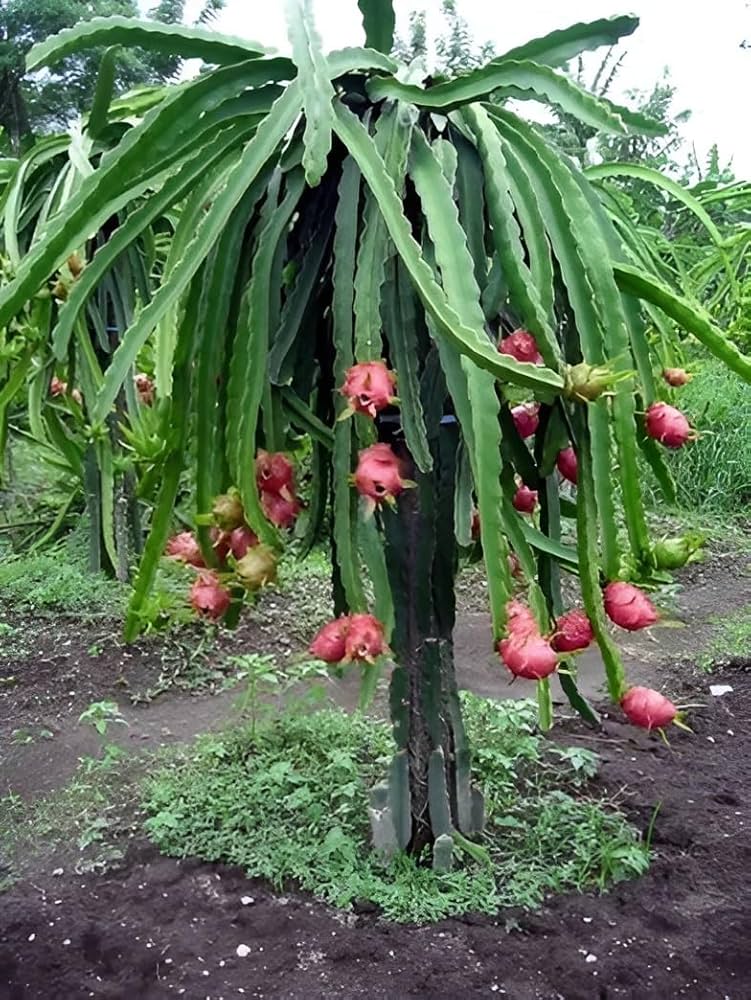
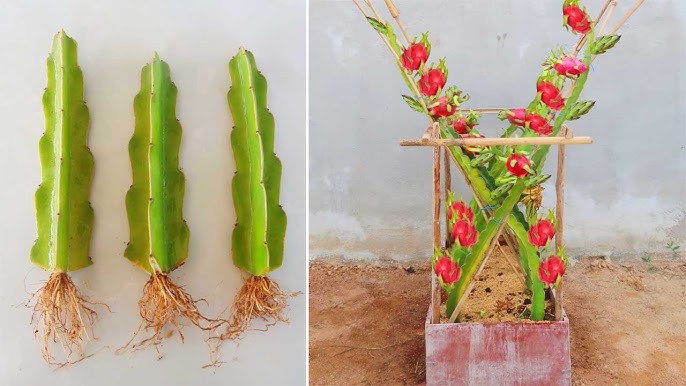
Dragon fruit is a climbing cactus. Support is crucial for vine growth.

Sunlight
- Full sun for 6–8 hours daily
- Morning sun is ideal
Support Structures
- Trellises, wooden stakes, or concrete pillars
- Bamboo poles or wire frames also work
- Ensure stability for heavy fruits
Step 9: Watering Mature Dragon Fruit Plants
- Water moderately; dragon fruit is drought-tolerant.
- Water deeply once or twice per week depending on weather.
- Avoid waterlogging; roots rot easily in soggy soil.
Tip: Mulching around the base helps retain moisture and reduce weeds.
Step 10: Fertilizing for Maximum Fruit Production
Dragon fruit plants are heavy feeders during flowering and fruiting:
- Use balanced NPK fertilizer every 2–4 weeks
- Add compost or organic matter to soil
- Supplement with potassium-rich fertilizer to enhance flowering and fruit sweetness
Step 11: Flowering and Pollination
Dragon fruit flowers bloom at night and are often pollinated by moths or bats. In home gardens, you may need to hand-pollinate:
Steps for Hand-Pollination
- Identify male and female flowers (female flowers have a small ovary at the base).
- Use a small brush or cotton swab to transfer pollen from male to female flowers.
- Perform pollination early in the evening for best results.
Proper pollination ensures fruit set and higher yields.
Step 12: Harvesting Dragon Fruit
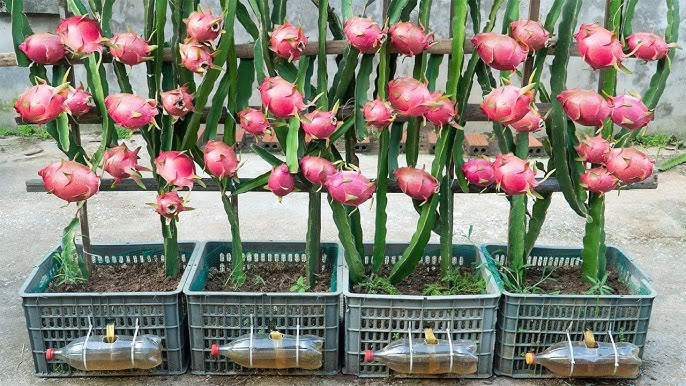
Signs of Ripeness:
- Skin color changes (pink, red, or yellow depending on variety)
- Slight softening of the fruit
- Green tips may start drying
Harvesting Technique:
- Use scissors or pruners to cut the fruit, leaving a small stem attached
- Avoid twisting; this prevents plant damage
Fruit Storage:
- Store at room temperature for a few days
- Refrigerate for up to 2 weeks
Step 13: Common Problems and Solutions
Pests:
- Aphids: Spray neem oil
- Mealybugs: Use insecticidal soap
- Fruit flies: Bag young fruits or cover with net
Diseases:
- Root rot: Avoid overwatering
- Stem rot: Remove infected parts and improve airflow
- Leaf spots: Apply organic fungicides
Step 14: Tips for Faster Growth and Bigger Fruits
- Provide stable, well-draining soil
- Ensure full sun and warmth
- Hand-pollinate for better fruit set
- Prune vines to control energy allocation
- Mulch to maintain moisture and prevent weeds
With patience, your seed-grown dragon fruit plants can flower within 1–2 years and produce fruits every season thereafter.
Conclusion: Growing Dragon Fruit from Seeds is Rewarding and Fun
Growing dragon fruit from seeds may require patience, but the rewards are spectacular. From tiny black seeds to stunning pink fruits, you’ll enjoy the satisfaction of nurturing a unique tropical plant from scratch.
By following these steps—proper germination, transplanting, care, fertilization, and pollination—you can enjoy a bountiful harvest of dragon fruits even in small spaces, containers, or terraces.