Urban gardening is becoming increasingly popular as more people look for space-saving, sustainable, and cost-effective ways to grow fresh vegetables at home. One of the most innovative solutions for small-space gardening is repurposing Styrofoam boxes into mini gardens. These lightweight, insulating, and durable containers are perfect for growing a variety of vegetables on your terrace, balcony, or even rooftop.
In this article, we’ll explore step by step how to turn Styrofoam boxes into productive vegetable gardens, tips for maximizing yield, and best practices for ensuring healthy, bountiful crops—even if you have limited space.
1. Why Use Styrofoam Boxes for Terrace Gardening?
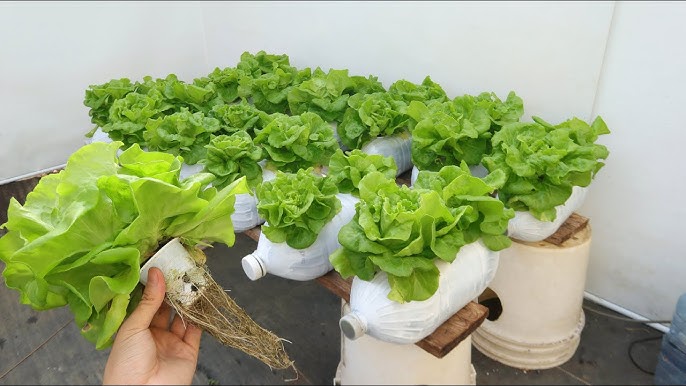
Styrofoam boxes are an excellent choice for urban gardening due to their many advantages:
Benefits of Using Styrofoam Boxes
- Lightweight: Easy to move and rearrange
- Insulating properties: Protects roots from temperature extremes
- Durable and reusable: Can last several growing seasons
- Cost-effective: Often available for free or low cost
- Eco-friendly: Recycling discarded boxes reduces environmental waste
With proper preparation, Styrofoam boxes can provide the perfect home for vegetables to grow healthy and fast.
2. Selecting the Right Styrofoam Box
The choice of box is essential for a successful terrace garden.
Box Specifications
- Size: Minimum 12–15 inches deep and wide enough to accommodate multiple plants
- Condition: Avoid broken or cracked boxes that may leak
- Drainage: Ensure the bottom can handle water drainage
Boxes from fruit or seafood markets are ideal, as they are sturdy and easy to repurpose.

3. Preparing the Boxes for Planting
Proper preparation ensures healthy root development and prevents waterlogging.
Step 1: Cleaning
- Wash the boxes thoroughly to remove dust and residues
- Avoid using harsh chemicals that may harm plants
Step 2: Creating Drainage
- Drill or poke small holes at the bottom for excess water to escape
- Optional: Add a layer of small stones or gravel at the bottom to prevent clogging
Step 3: Adding Soil
- Use well-draining, nutrient-rich soil
- Mix garden soil, compost, and cocopeat or sand for optimal growth
- Leave 2–3 inches from the top to prevent soil spillage
4. Choosing Vegetables for Terrace Gardening
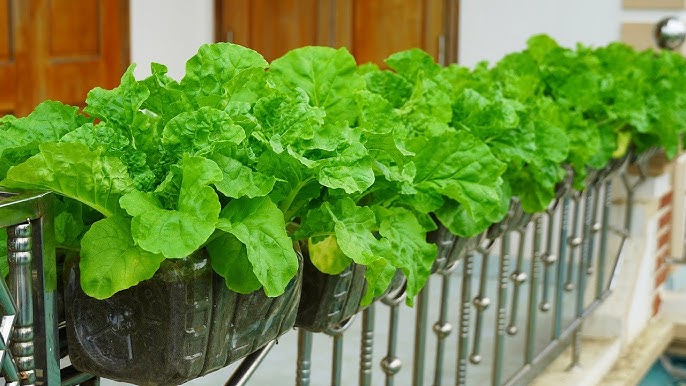
Many vegetables grow well in Styrofoam boxes. Choose fast-growing, compact, and high-yield varieties for the best results.
Recommended Vegetables
- Leafy greens: Spinach, lettuce, water spinach, mustard greens
- Fruit-bearing vegetables: Tomatoes, bell peppers, chili peppers
- Herbs: Basil, coriander, mint, parsley
- Root vegetables: Radishes, carrots, baby beets
For beginners, start with leafy greens—they grow quickly and provide multiple harvests.
5. Sowing Seeds or Planting Cuttings
Vegetables can be grown from seeds or cuttings, depending on the plant type.
From Seeds
- Soak seeds in warm water for a few hours to speed up germination
- Plant shallowly (0.5–1 cm deep) and cover lightly with soil
- Keep soil moist but not waterlogged until seeds sprout
From Cuttings
- Choose healthy stems or shoots from existing plants
- Place cuttings in soil or water to encourage rooting
- Once roots develop, transplant into Styrofoam boxes
6. Sunlight Requirements
Sunlight is essential for healthy growth.
Guidelines
- Most vegetables require 4–6 hours of sunlight per day
- Leafy greens tolerate partial shade
- Rotate boxes periodically to ensure even light exposure
If your terrace has limited sunlight, consider supplemental LED grow lights to promote growth.

7. Watering Techniques
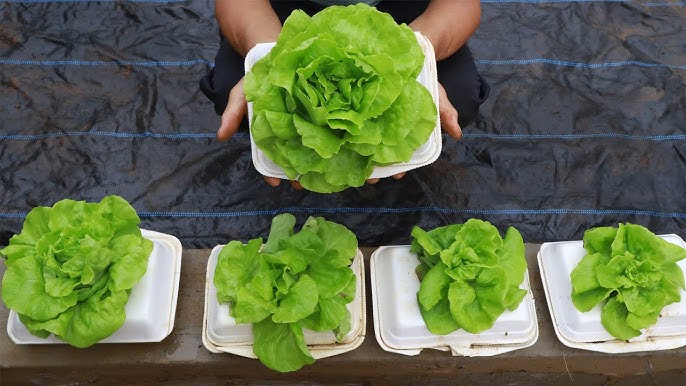
Proper watering ensures healthy roots and fast growth.
Watering Tips
- Keep soil consistently moist but not soggy
- Water early morning or late afternoon to reduce evaporation
- For water-loving vegetables like spinach, maintain a thin layer of water at the bottom
- Replace water in boxes every few days if growing semi-hydroponically
Regular watering encourages plump stems, lush leaves, and faster maturation.
8. Fertilizing for Maximum Growth
Terrace gardens need nutrients because plants rely entirely on the contained soil.
Organic Fertilizer Options
- Vermicompost
- Liquid compost or fish emulsion
- Well-rotted manure
Fertilizing Schedule
- Seedling stage: Light feeding 10–14 days after germination
- Vegetative stage: Feed every 2–3 weeks for leafy growth
- Before harvest: Nitrogen-rich fertilizer to encourage thicker stems and larger leaves
Avoid over-fertilizing, which may harm plants or promote excessive leaf growth at the expense of fruiting.
9. Managing Pests and Diseases
Even small gardens face pests and diseases.
Common Terrace Garden Pests
- Aphids
- Caterpillars
- Whiteflies
- Snails
Prevention and Control
- Spray mild neem oil or soap solution regularly
- Remove yellow or damaged leaves promptly
- Keep boxes clean and well-ventilated
Healthy, pest-free plants grow faster and produce higher yields.

10. Supporting Growth in Containers
Some vegetables, especially fruiting ones, need extra support.
Support Tips
- Use bamboo sticks or small cages for tomatoes and peppers
- Tie stems gently to support stakes
- Prevent overcrowding by thinning seedlings after germination
Proper support ensures upright growth, stronger stems, and better sunlight exposure.
11. Harvesting Your Terrace Garden Vegetables
Harvesting depends on the type of vegetable:
Leafy Greens
- Pick outer leaves regularly to allow continuous growth
- Harvest in morning for maximum flavor and freshness
Fruit-Bearing Vegetables
- Harvest fruits when fully ripened but firm
- Regular harvesting encourages more flowers and fruits
One Styrofoam box can provide multiple harvests, especially for greens, making your terrace garden highly productive.
12. Extending the Growing Season
To maximize your terrace garden:
- Succession planting: Sow new seeds every 2–3 weeks
- Rotate crops to avoid soil depletion
- Use row covers or mini-greenhouses to protect from frost or extreme heat
With these methods, you can grow fresh vegetables year-round on your terrace.
13. Sustainability Benefits
Repurposing Styrofoam boxes for gardening has multiple environmental benefits:
- Reduces waste in landfills
- Encourages recycling and sustainable gardening
- Lowers carbon footprint by growing local food
- Promotes urban greenery and air quality improvement
Your terrace garden not only feeds your family but also contributes to a greener planet.
14. Common Mistakes to Avoid
- Overcrowding plants: Reduces growth rate and increases pest problems
- Neglecting watering: Causes stress, wilting, and slow growth
- Poor sunlight: Leads to leggy, weak plants
- Ignoring nutrients: Soil in boxes depletes quickly; fertilization is key
Avoiding these mistakes ensures a healthy, high-yield terrace garden.
15. Final Thoughts
Turning Styrofoam boxes into a mini terrace garden is one of the easiest and most cost-effective ways to grow fresh, nutritious vegetables at home. By following simple steps—preparing boxes, selecting suitable vegetables, providing sunlight, water, and nutrients—you can enjoy a lush, productive garden on your balcony or rooftop, even in limited space.
This method combines urban gardening, sustainability, and self-sufficiency, offering fresh, chemical-free vegetables while reducing environmental waste.
Start today, and transform your discarded Styrofoam boxes into thriving gardens bursting with vibrant, homegrown vegetables.