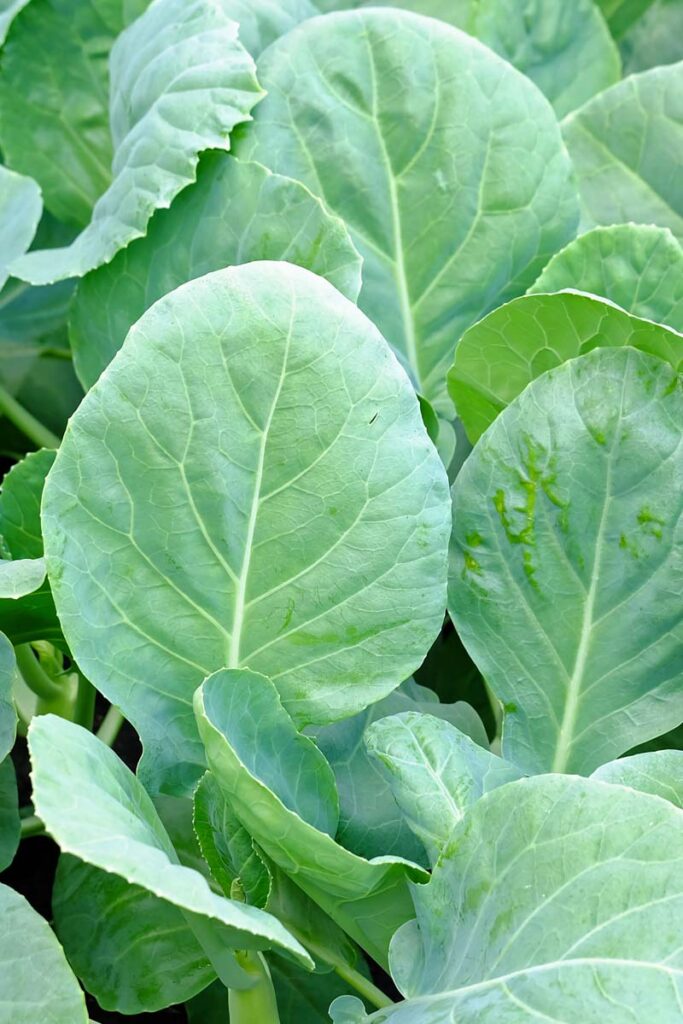
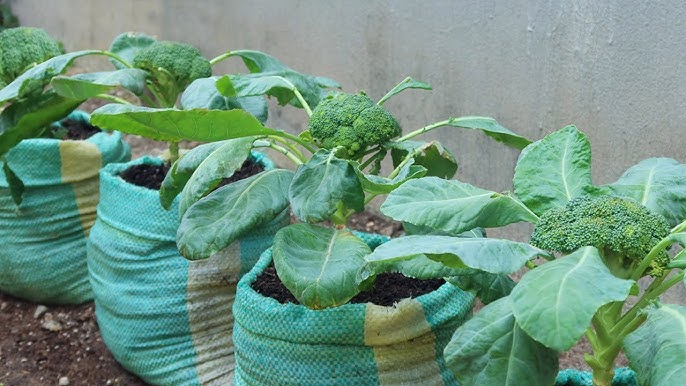
Chinese broccoli, also known as Gai Lan, is a nutritious, leafy green vegetable widely loved for its tender stalks and flavorful leaves. Traditionally grown in gardens or farm plots, it is entirely possible to grow plump, healthy Chinese broccoli in an elastic bag at home—making it perfect for small spaces, balconies, terraces, or even indoor gardens.
This guide will walk you step by step through growing chubby, succulent Chinese broccoli in a simple elastic bag. From selecting seeds to harvesting, you’ll learn all the secrets to a successful, high-yield home crop.
1. Why Grow Chinese Broccoli in an Elastic Bag?
Elastic bag cultivation is an innovative, space-saving method that is gaining popularity among urban gardeners.
Advantages of Using Elastic Bags
- Space-saving: Ideal for apartments or small balconies
- Portability: Move plants to sunny spots as needed
- Soil control: Easy to provide nutrient-rich, well-draining soil
- Less pest exposure: Elevates plants above ground-level pests
- High yield: Encourages dense, healthy growth
This method is simple, efficient, and perfect for beginners who want fresh vegetables at home.
2. Choosing the Right Chinese Broccoli Variety
Fast growth and healthy heads depend on choosing the right seeds.
Recommended Varieties for Home Gardening
- Choi Sum Hybrid – Tender leaves, fast-growing
- Gai Lan Local Varieties – Thrives in warm climates, robust stalks
- Tender Stem Chinese Broccoli – Excellent for stir-fries and soups
When selecting seeds, make sure they are fresh, organic if possible, and free from disease or discoloration.
3. Preparing the Elastic Bag
The bag you choose is crucial to the plant’s success.
Choosing the Bag
- Strong, elastic material (nylon or reinforced polyethylene)
- Size: At least 12–15 inches in diameter and 15–20 inches deep
- Multiple drainage holes at the bottom
Filling the Bag
- Use well-draining soil: A mix of garden soil, compost, and cocopeat or sand works best.
- Add organic fertilizer or vermicompost to boost growth.
- Leave 2–3 inches from the top to prevent soil spillage when watering.
Elastic bags expand as plants grow, promoting better root development for chubby, healthy stalks.
4. Sowing the Seeds
Proper seed sowing is key to uniform germination.
Steps to Sow
- Soak seeds in warm water for 6–8 hours to soften the coat and speed up germination.
- Make shallow holes in the soil (0.5–1 cm deep).
- Place 2–3 seeds per hole and cover lightly with soil.
- Water gently using a spray bottle to prevent washing seeds away.
Tip:
Keep the soil consistently moist until seeds germinate. Within 5–7 days, seedlings will emerge.
5. Providing the Ideal Environment
Chinese broccoli grows fast in the right conditions.
Light
- Full sun for 6–8 hours per day
- If indoors, use grow lights for 12–14 hours daily
Temperature
- Optimal: 20–30°C (68–86°F)
- Avoid frost or extremely high temperatures
Air Circulation
- Place bags where air flows freely
- Prevents fungal diseases and strengthens stalks
6. Watering Techniques for Plump Growth
Watering is critical to producing chubby stalks and tender leaves.
Watering Tips
- Keep soil moist but not soggy
- Water every morning, adjust frequency according to climate
- Use a watering can with a fine nozzle to avoid disturbing soil
- Mulch with dried leaves or straw to retain moisture and regulate temperature
Regular, consistent watering promotes faster growth and thicker stems.
7. Fertilizing for Fast, Healthy Growth
Fertilization boosts nutrient uptake, encouraging plump, crunchy Chinese broccoli.
Organic Fertilizers
- Vermicompost
- Fish emulsion
- Liquid compost tea
Fertilizer Schedule
- Seedling stage: Light feeding after 10 days of germination
- Vegetative stage: Every 10–14 days to encourage leaf and stem growth
- Before harvest: Nitrogen-rich fertilizer to thicken stalks
Avoid over-fertilizing; excess nitrogen may result in lush leaves but thin stalks.
8. Supporting Growth in the Elastic Bag
Even in bags, supporting your plants ensures strong, upright growth.
- Insert bamboo sticks or small stakes for support
- Use gentle ties if plants lean or heavy leaves need balance
- Avoid overcrowding—thin seedlings if more than one sprouts per hole
Proper spacing allows sunlight and air to reach all leaves, promoting even, fast growth.
9. Pest and Disease Management
Although bag cultivation reduces pests, you still need to monitor plants.
Common Pests
- Aphids
- Flea beetles
- Caterpillars
Prevention and Control
- Spray neem oil or mild soap solution weekly
- Remove damaged leaves promptly
- Keep the area clean and free of fallen debris
Healthy plants grow faster and produce thicker, crunchy stems.
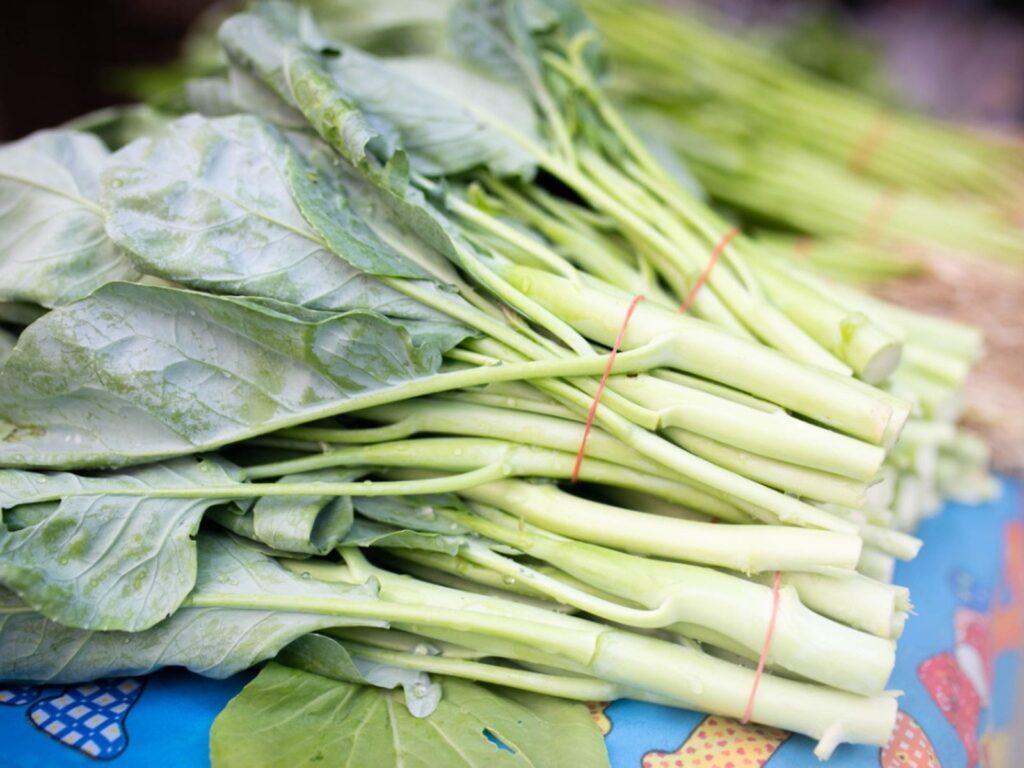
10. Harvesting Chubby Chinese Broccoli
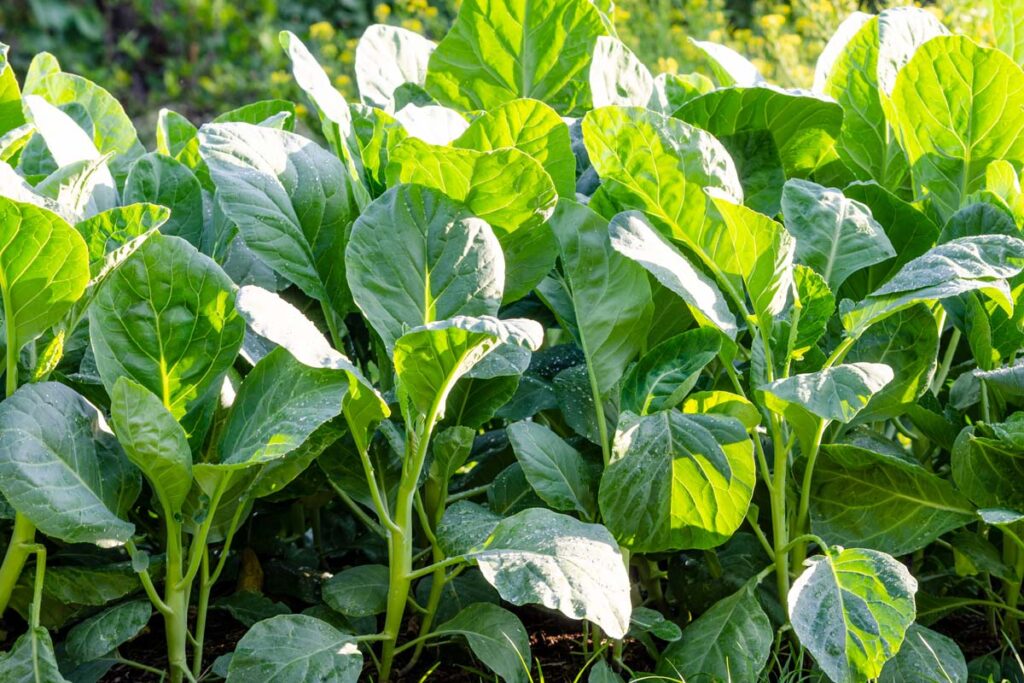
One of the biggest advantages of elastic bag cultivation is the ability to harvest multiple times.
When to Harvest
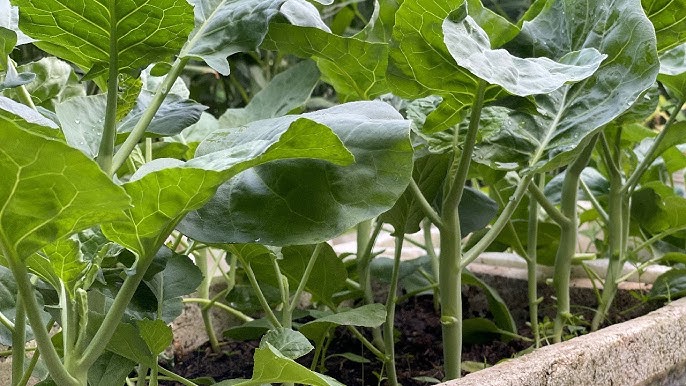
- Leaves are tender, stalks are plump and firm
- Approximately 40–50 days after sowing, depending on the variety
Harvesting Technique
- Cut the main stalk at the base with a sharp knife
- For continuous growth, leave smaller side shoots—they will produce secondary harvests
- Water immediately after harvesting to encourage regrowth
Frequent harvesting keeps plants producing fresh, tender leaves.
11. Tips for Maximizing Yield in Elastic Bags
- Start with 2–3 seeds per hole for backup seedlings.
- Maintain consistent watering and fertilization for plump stalks.
- Thin seedlings to reduce competition.
- Rotate bags for uniform sunlight exposure.
- Regularly check for pests and remove damaged leaves.
- Mulch the soil surface to retain moisture and nutrients.
Following these steps can help you get healthy, chubby Chinese broccoli in just 40–50 days.
12. Benefits of Growing Chinese Broccoli at Home
- Fresh and chemical-free: Control what goes into your food
- Quick harvest: Ready in just 6–7 weeks
- Multiple harvests: Elastic bag cultivation allows continuous growth
- Space-saving: Perfect for balconies, patios, and rooftops
- Nutrient-rich: Packed with vitamins A, C, K, calcium, and iron
Homegrown Chinese broccoli is far superior in taste and freshness compared to market produce.
13. Frequently Asked Questions
Q1: Can I grow Chinese broccoli indoors?
Yes! With adequate light (sunlight or LED grow lights) and good airflow, you can grow healthy plants indoors.
Q2: How often should I water?
Twice daily in hot climates, or every other day in cooler conditions. Keep soil moist but not soggy.
Q3: Can I grow continuously?
Yes. Sow new seeds every 2–3 weeks to maintain a steady supply of fresh Chinese broccoli.
Q4: How to get thick, chubby stems?
Use fertile soil, consistent watering, adequate sunlight, and nitrogen-rich fertilization during vegetative growth.
14. Final Thoughts
Growing chubby, crunchy Chinese broccoli in an elastic bag is simple, rewarding, and perfect for modern home gardeners. With the right seeds, soil, water, sunlight, and care, you can enjoy fresh, chemical-free vegetables in just 6–7 weeks.
Elastic bag cultivation is versatile, portable, and highly productive, making it a practical solution for urban homes, balconies, or small gardens. By following these tips, you’ll be harvesting plump, flavorful Chinese broccoli that elevates your meals and enhances your home-grown vegetable collection.
Start today, and watch your elastic bag turn into a mini green haven bursting with nutritious, chubby Chinese broccoli!