Napa cabbage, also known as Chinese cabbage, is a versatile, crunchy, and nutritious vegetable that’s perfect for stir-fries, salads, soups, and kimchi. While many gardeners struggle with slow-growing cabbage or small heads, there are proven techniques to accelerate growth and get a bountiful harvest in less time.
In this guide, we’ll explore expert tips for growing napa cabbage rapidly—from seed to harvest—while ensuring healthy, tender, and flavorful heads. Whether you are a beginner or experienced gardener, these methods will help you grow napa cabbage that thrives.
1. Choosing the Right Variety

The first step in fast growth is selecting the right variety of napa cabbage. Some varieties mature faster than others.
Fast-Growing Varieties
- “Wong Bok” – Compact, fast-maturing, tender leaves
- “Michihili” – Early harvest in 45–60 days
- “Chinese Giant” – Produces large heads quickly
Check local nurseries or seed catalogs for recommended fast-growing varieties in your region.
2. Selecting Quality Seeds
Healthy seeds ensure rapid germination and robust growth.
Tips for Seed Selection
- Choose fresh seeds with high germination rates
- Avoid old, shriveled, or damaged seeds
- Organic seeds often produce healthier seedlings
- Purchase from reputable suppliers for consistent results
High-quality seeds save time and reduce failed germination.
3. Preparing the Soil for Rapid Growth
Napa cabbage thrives in fertile, well-draining soil. The right soil preparation accelerates growth and prevents stunted plants.
Soil Requirements
- Loamy or sandy loam soil
- pH between 6.0–7.5
- Rich in organic matter
Soil Preparation Steps
- Remove weeds and rocks from the bed.
- Add well-rotted compost or organic fertilizer (2–3 kg per square meter).
- Mix thoroughly to ensure even nutrient distribution.
- Level the soil to promote uniform water absorption.
Healthy, nutrient-rich soil encourages fast root development and strong leafy growth.
4. Seed Germination: Start Strong
Germination is the first step to fast growth.
Step 1: Soak Seeds
Soak napa cabbage seeds in warm water for 8–12 hours before planting.
This softens the seed coat and boosts germination.
Step 2: Planting Seeds
- Plant seeds 0.5–1 cm deep in seed trays or small pots.
- Keep the soil moist but not waterlogged.
- Maintain a temperature of 18–22°C for optimal germination.
Seeds typically sprout within 5–7 days.
Step 3: Seedling Care
- Provide bright indirect light or a sunny windowsill.
- Thin seedlings to 1 per hole after 10–14 days to reduce competition.
Strong seedlings grow faster once transplanted.
5. Transplanting for Faster Growth
Transplanting at the right stage promotes rapid growth.
When to Transplant
- 3–4 weeks after germination
- Seedlings with 4–6 true leaves
Planting Technique
- Dig holes slightly larger than the root ball.
- Space plants 30–40 cm apart for adequate airflow and leaf expansion.
- Firm the soil gently around the roots.
- Water immediately after transplanting.
Proper spacing and planting depth reduce stress and encourage faster leaf and head development.
6. Sunlight: Key to Speedy Growth
Napa cabbage loves full sun.
Sunlight Tips
- Provide 6–8 hours of direct sunlight per day.
- In hot climates, partial afternoon shade prevents leaf scorching.
- Indoor growers can use LED grow lights for 12–14 hours daily.
Sunlight drives photosynthesis, resulting in faster, greener, and healthier leaves.
7. Watering for Rapid Growth
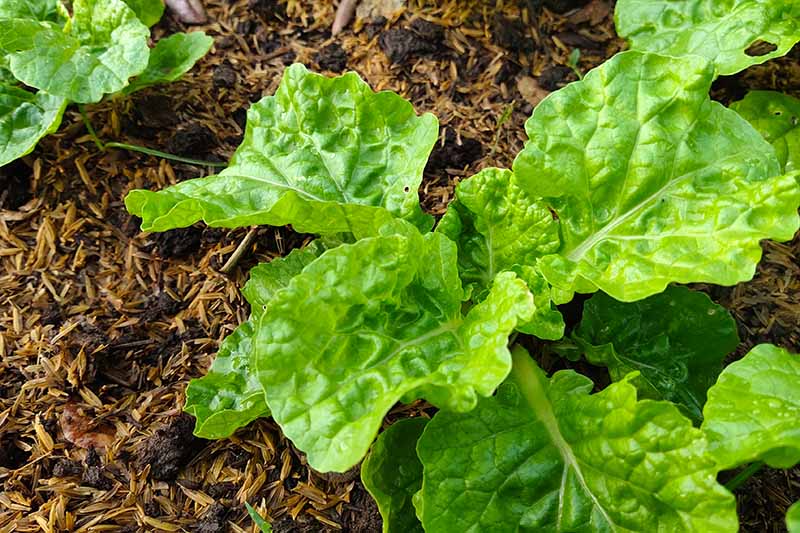
Watering is critical. Too little slows growth, too much causes root rot.
Watering Guidelines
- Keep soil consistently moist but not soggy
- Water at the base to avoid wetting leaves
- Mulch around plants to retain moisture and regulate soil temperature
Frequent, moderate watering supports lush leaf growth and faster head formation.
8. Fertilizing for Maximum Speed
Napa cabbage is a heavy feeder, so timely fertilization accelerates growth.
Recommended Fertilizers
- Nitrogen-rich fertilizer for leafy growth (e.g., compost, manure, or NPK 20-10-10)
- Balanced fertilizer once heads start forming
Fertilization Schedule
- 2 weeks after transplanting: First feeding
- 4 weeks after transplanting: Second feeding
- Optional third feeding if soil is poor
Healthy, well-fed plants grow faster and produce larger, crunchier heads.
9. Mulching and Temperature Control
Maintaining ideal temperature helps napa cabbage grow quickly.
Mulching Benefits
- Keeps soil moist
- Regulates temperature
- Suppresses weeds
Temperature Guidelines
- Optimal growth: 15–25°C
- Protect from frost with row covers in colder regions
- In hot climates, use shade netting during peak afternoon heat
Consistent temperatures reduce stress and promote rapid growth.
10. Pest and Disease Management
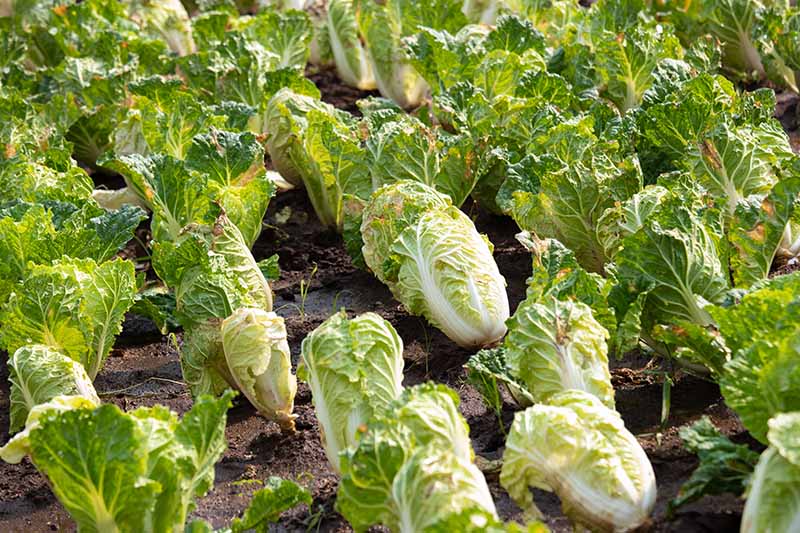
Healthy plants grow faster. Managing pests and diseases is crucial.
Common Issues
- Aphids
- Cabbage worms
- Flea beetles
- Downy mildew
Natural Solutions
- Neem oil sprays
- Hand-picking pests
- Crop rotation
- Maintain good airflow between plants
Early prevention keeps plants healthy and ensures a faster harvest.
11. Pruning and Thinning for Speed
Thinning crowded plants reduces competition for nutrients, sunlight, and water.
Remove weak or damaged leaves to encourage robust growth.
This allows remaining plants to grow larger and faster.
12. Harvesting Napa Cabbage Quickly
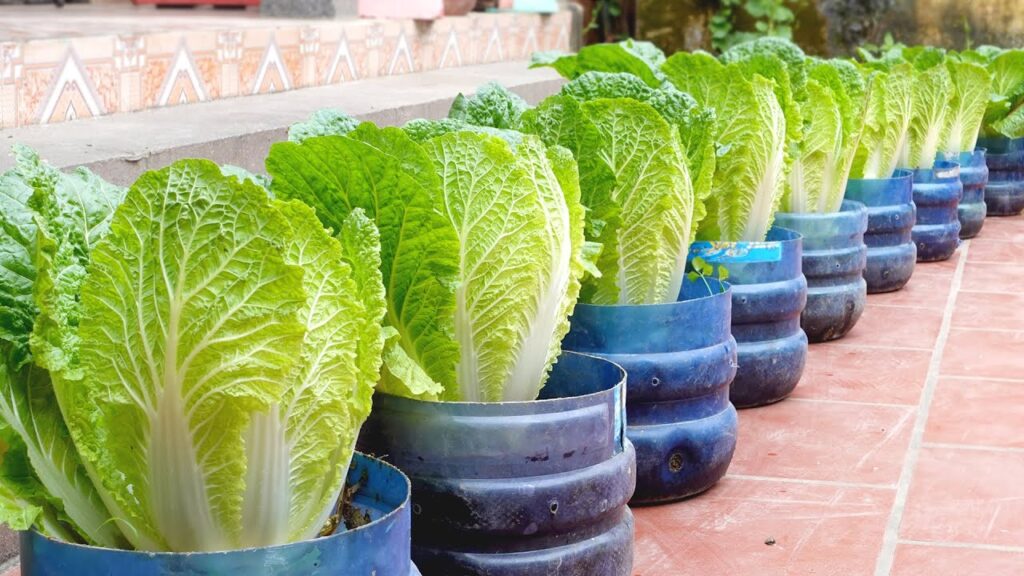
Fast-growing napa cabbage can be ready in 50–70 days, depending on variety.
Signs It’s Ready
- Firm, dense heads
- Leaves tightly wrapped
- Size suitable for your use (medium to large)
Harvesting Technique
- Cut the stem at the base with a sharp knife
- Avoid pulling, which may damage roots and neighboring plants
Regular harvesting prevents bolting and encourages successive crops.
13. Extending the Growing Season
Successive Planting
Plant new seeds every 2–3 weeks for continuous harvest.
Protection
Use row covers or mini-greenhouses to:
- Extend harvest into cooler months
- Protect from pests and frost
With proper care, you can enjoy fresh napa cabbage year-round.
14. Tips for Ultra-Fast Growth: “Grow Like a Pro”
- Start seeds indoors to get a head start.
- Use high-quality compost for quick root and leaf development.
- Provide consistent water—moisture drives rapid growth.
- Give adequate sunlight or supplemental light indoors.
- Avoid overcrowding—plants need space to develop heads.
- Monitor pests and diseases regularly.
- Fertilize at key growth stages to boost leaf and head formation.
Following these steps can reduce growth time by 2–3 weeks compared to conventional methods.
15. Final Thoughts
Growing napa cabbage fast is entirely possible with the right techniques. From selecting fast-growing varieties to preparing soil, proper watering, fertilization, and pest control, each step contributes to a quicker, healthier harvest.
With patience and care, you can enjoy fresh, crisp, and delicious napa cabbage in record time. Whether for kimchi, stir-fries, soups, or salads, homegrown cabbage grown “as fast as a blow” will elevate your meals and impress your family and friends.