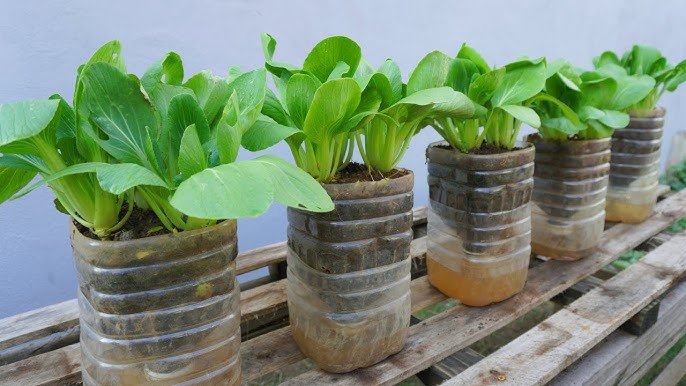
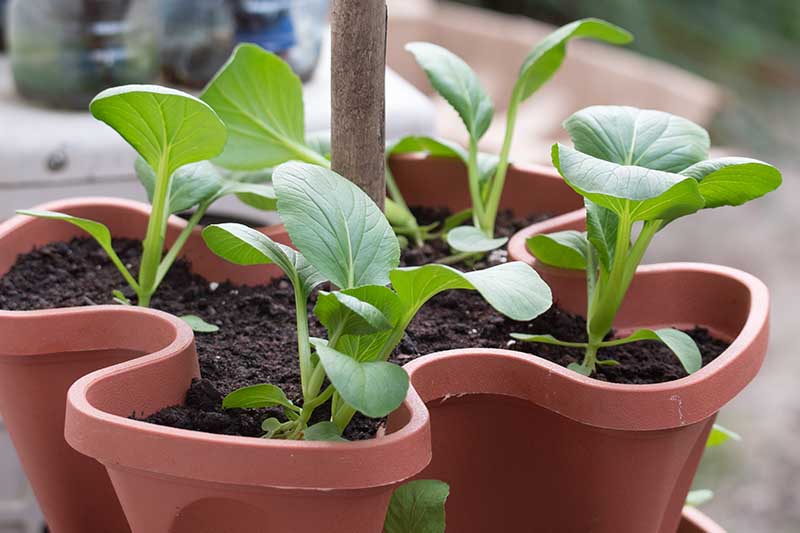
Bok choy—also known as pak choi—is one of the easiest, fastest-growing leafy vegetables you can cultivate right at home. Whether you’re gardening on a balcony, terrace, small yard, or even a windowsill, bok choy thrives wonderfully in containers. With its mild flavor, crunchy stems, and tender leaves, it’s a versatile vegetable perfect for stir-fries, soups, salads, and everyday healthy meals.
In this detailed 1200-word guide, you’ll learn how to plant bok choy in containers, the best soil mix, watering schedule, sunlight needs, pest prevention, and harvesting techniques—so you can enjoy fresh homegrown greens all year long!
Why Grow Bok Choy in Containers?
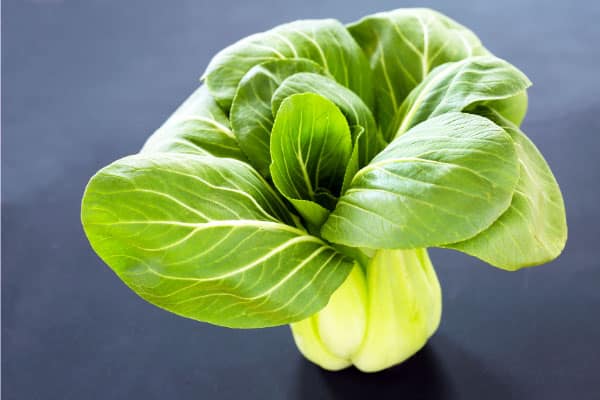
Growing bok choy in containers offers several advantages:
✔ Perfect for Limited Space
Even if you don’t have a garden, a 10–12 inch pot is enough to grow healthy, full-sized bok choy.
✔ Faster Growth
Bok choy matures quickly—within 30 to 45 days, depending on the variety.
✔ Easy to Maintain
Minimal pest issues, shallow root system, and quick harvest make it beginner-friendly.
✔ Suited for Any Season
It grows best in cool weather but can be grown almost any time with shade during extreme heat.
Choosing the Perfect Container
Bok choy has relatively shallow roots, so you don’t need a very deep pot. But giving it adequate width helps each plant grow large and healthy.
Recommended Container Size
- Minimum depth: 8–10 inches
- Width: 12–16 inches
- Material: Plastic, ceramic, grow bags, wooden planters
Drainage Is Essential
Make sure the container has drainage holes. Bok choy hates waterlogged roots, which can lead to rot and fungal problems.
Best Soil Mix for Bok Choy
Bok choy thrives in loose, nutrient-rich, well-drained soil. An ideal potting mix ensures the roots expand easily and stay healthy.
Recommended Soil Recipe
- 40% garden soil or topsoil
- 30% compost or well-rotted manure (for nutrients)
- 20% cocopeat (for water retention)
- 10% sand or perlite (for drainage)
Pro Tip
Mix a handful of organic fertilizer such as neem cake, bone meal, or vermicompost before planting.
How to Plant Bok Choy From Seeds
Planting bok choy from seed is simple and cost-effective.
✔ Step 1: Prepare Seeds
You can buy seeds from any nursery or online. Bok choy seeds sprout quickly within 3–5 days.
✔ Step 2: Sow the Seeds
- Make shallow holes about ½ inch deep.
- Sow 2–3 seeds per hole.
- Cover lightly with soil.
- Water gently with a spray bottle.
✔ Step 3: Keep in Partial Shade
Place the container in a bright but indirect sunlight location until the seeds germinate.
✔ Step 4: Thin the Seedlings
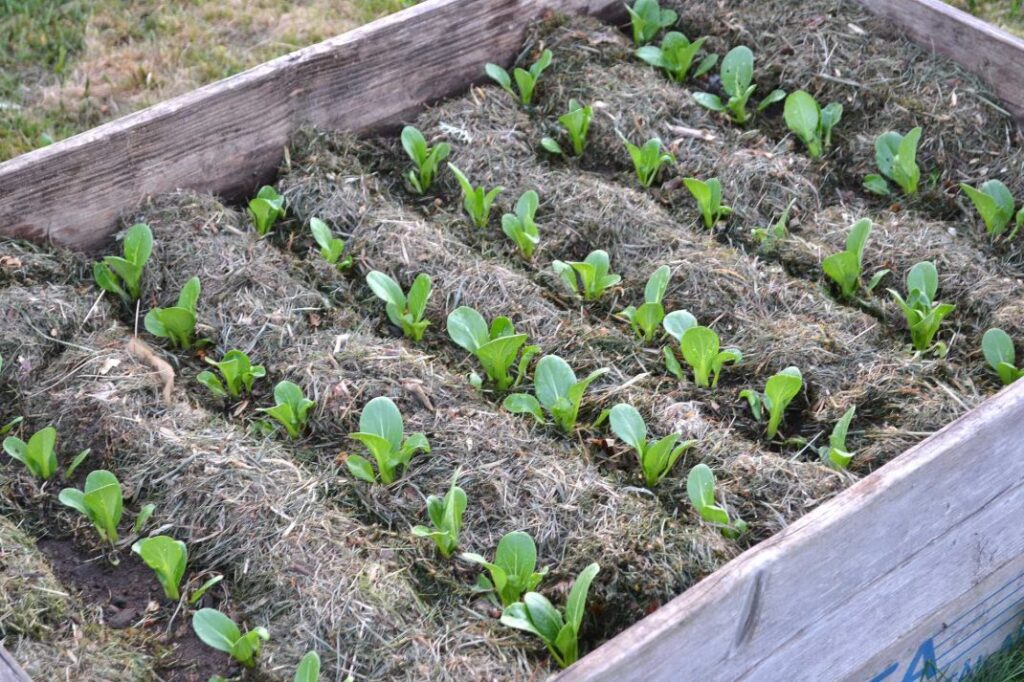
Once the seedlings are 2–3 inches tall, keep only the strongest plant and remove the rest. This helps the remaining plant grow larger.
Sunlight Requirements
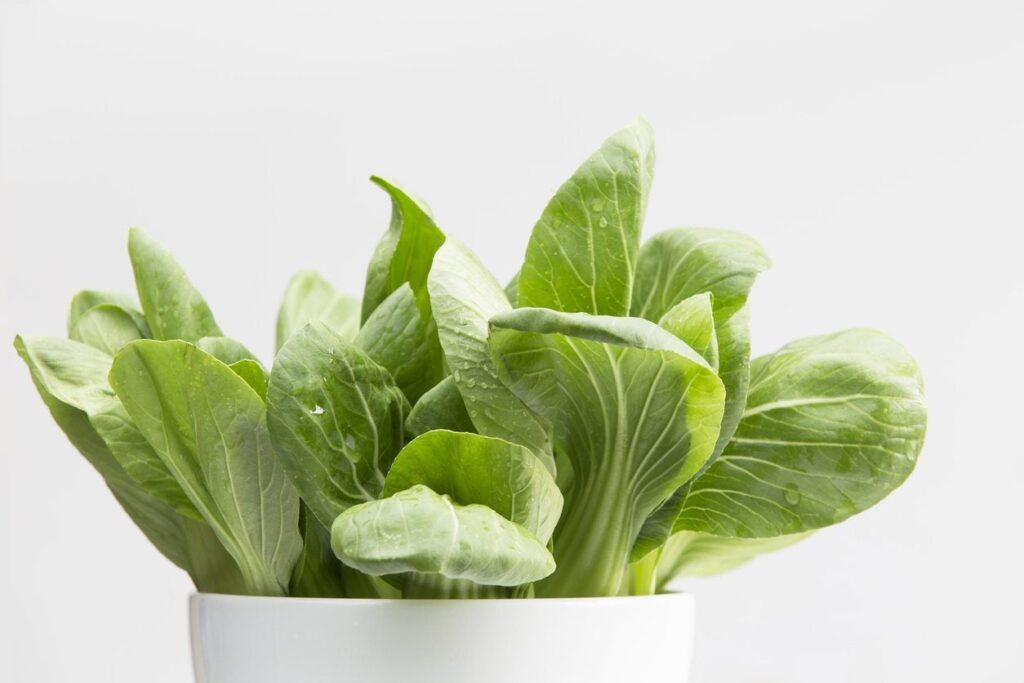
Bok choy grows best in:
4–6 hours of direct sunlight daily
Too much heat may cause bolting (flowering), which makes leaves bitter.
If you live in a very hot climate:
- Provide afternoon shade.
- Use a shade net during summer.
- Mist the plant lightly to keep humidity stable.
Watering Schedule
Bok choy requires consistent moisture to grow tender leaves.
✔ Keep Soil Slightly Moist
Water 3–4 times a week or whenever the top inch of soil feels dry.
✔ Avoid Waterlogging
Overwatering can lead to root diseases and stunted growth.
Watering Tips:
- Use a watering can with a fine nozzle.
- Water early in the morning.
- Mulch with dry leaves or straw to retain moisture.
Fertilizing Bok Choy
This leafy vegetable grows quickly and needs regular feeding.
Fertilizer Schedule
- Week 1–2: Vermicompost or compost tea
- Week 3–4: Liquid fertilizer (seaweed extract or fish emulsion)
- Week 5 onwards: Apply a handful of compost every 10 days
Quick Growth Boost
Use a nitrogen-rich fertilizer to promote lush green leaves.
Pest and Disease Control
Bok choy may occasionally attract pests like:
Common Pests:
- Aphids
- Caterpillars
- Flea beetles
- Whiteflies
Natural Solutions:
- Spray neem oil once a week.
- Release ladybugs if available.
- Remove pests by hand in early stages.
Fungal Issues:
Avoid watering the leaves directly; water only the soil.
How to Grow Bigger Bok Choy
Here are a few tricks to ensure your bok choy grows large and healthy:
- Space plants at least 6–8 inches apart.
- Feed nitrogen-rich fertilizer for leafy growth.
- Protect from harsh sunlight during the hottest hours.
- Keep soil consistently moist.
- Remove weeds regularly—they steal nutrients.
Harvesting Bok Choy
This is the most satisfying part!
✔ When to Harvest
- Baby bok choy: 25–30 days
- Full-size bok choy: 35–45 days
✔ How to Harvest
- Use a sharp knife to cut the plant just above the soil.
- If you leave the base intact, it may regrow for a second harvest.
✔ Best Time to Harvest
Early morning—leaves are crispest and most flavorful.
How to Use Fresh Bok Choy
Freshly harvested bok choy is a powerhouse of flavor and nutrition. Try using it in:
- Stir-fries
- Soups
- Noodles
- Dumplings
- Salads
- Smoothies (baby leaves)
Store in a refrigerator wrapped in a damp cloth to keep it fresh for up to 5 days.
Final Thoughts
Growing bok choy in containers is one of the most rewarding gardening experiences. You don’t need a big space, heavy tools, or months of effort. With the right soil mix, sunlight, watering schedule, and a little attention, you can enjoy fresh, crispy, homegrown bok choy anytime you want.
Whether you’re a beginner or an experienced gardener, bok choy is the perfect crop to grow at home. So grab a pot, add some soil, sprinkle a few seeds—and in just a few weeks, you’ll be harvesting your own delicious greens!