Chinese cabbage, also known as Napa cabbage, is a staple in Asian cuisines and a nutrient-packed leafy vegetable. Its crisp texture and mild flavor make it ideal for salads, stir-fries, kimchi, and soups. Growing Chinese cabbage at home is easy, cost-effective, and highly rewarding, especially when you start from seeds.
In this comprehensive 1200-word guide, we’ll explore everything you need to know to grow Chinese cabbage from seeds, from selecting varieties to harvesting fresh, healthy leaves for your kitchen.
Introduction: Why Grow Chinese Cabbage from Seeds?
Growing Chinese cabbage from seeds offers multiple benefits:
- Freshness: Home-grown cabbage is far fresher than store-bought varieties.
- Chemical-free: Control fertilizers and avoid pesticides.
- Cost-effective: Seeds are inexpensive, and one packet can yield dozens of plants.
- Continuous supply: You can stagger planting to have a steady supply throughout the season.
- Fun and educational: Great for beginners and kids interested in gardening.
Chinese cabbage grows quickly, making it ideal for small gardens, containers, or raised beds.
Step 1: Choosing the Right Chinese Cabbage Variety
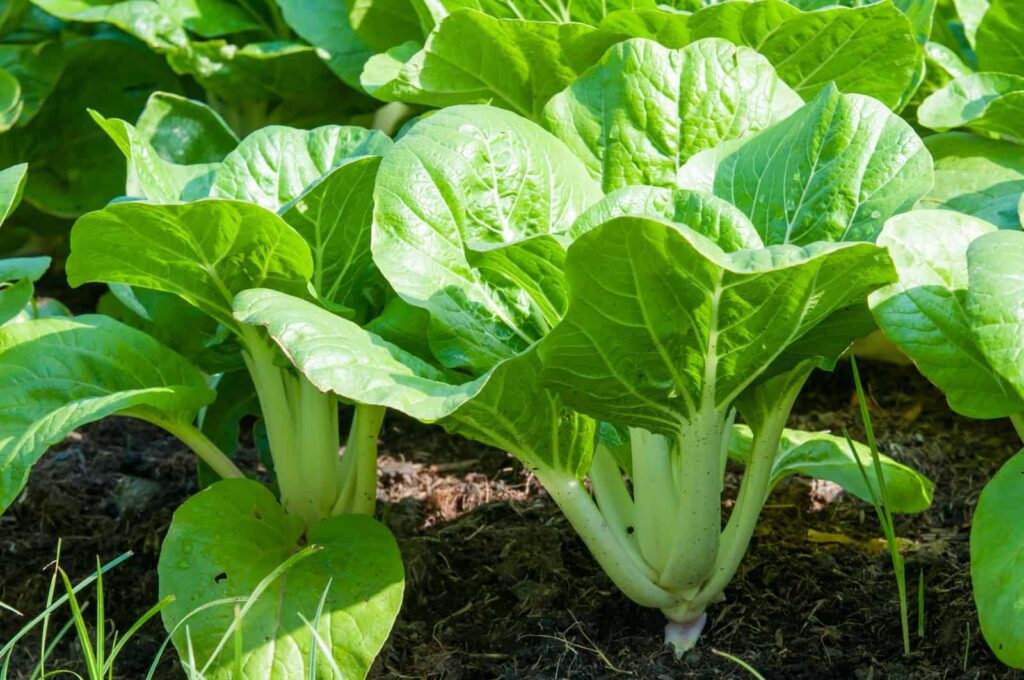
There are several varieties of Chinese cabbage. Selecting the right one depends on your climate, space, and culinary needs:
- Wong Bok: Popular, tender, and mild-flavored, ideal for salads.
- Michihili: Fast-growing and compact, suitable for containers.
- Joi Choi: Produces long, crunchy leaves for stir-fries.
- Michihili Hybrid: Resistant to pests and disease, perfect for beginners.
Tip: For small spaces or containers, choose compact or mini varieties.
Step 2: Preparing Seeds for Planting
Starting from seeds ensures healthy plants.
Seed preparation steps:
- Select fresh, high-quality seeds from a trusted supplier.
- Soak seeds in warm water for 2–4 hours before sowing to encourage faster germination.
- Use seedling trays or small pots filled with light, well-draining soil.
- Sow seeds 0.25–0.5 inches deep, cover lightly with soil, and water gently.
Germination: Seeds sprout in 7–10 days under proper conditions.
Step 3: Choosing the Right Soil
Chinese cabbage grows best in nutrient-rich, well-draining soil.
Soil mix for healthy growth:
- 40% garden soil
- 30% compost or vermicompost
- 20% cocopeat or peat moss
- 10% sand or perlite for drainage
Optional: Add 1 teaspoon of bone meal or slow-release fertilizer to boost root and leaf development.
Step 4: Sowing Seeds and Seedling Care
Once you have prepared the soil and trays:
- Fill trays or pots with prepared soil.
- Sow 2–3 seeds per cell or small pot to ensure germination.
- Keep the soil moist but not waterlogged.
- Maintain temperature around 18°C–24°C for optimal germination.
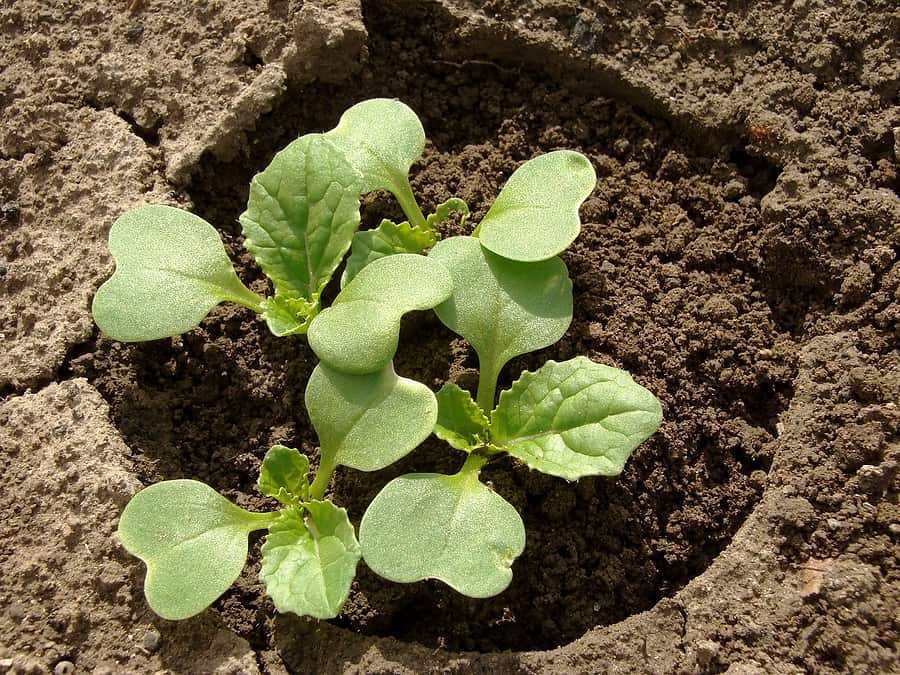
Seedling care: Thin seedlings to 1 per cell once they have 2–3 true leaves, keeping the strongest plant.
Step 5: Transplanting Seedlings
After 3–4 weeks, seedlings will be ready to move to larger containers or garden beds.
Transplanting steps:
- Water seedlings thoroughly before transplanting.
- Prepare planting holes in the bed or container.
- Gently remove seedlings from the tray, keeping roots intact.
- Plant at the same depth as they were in the seedling tray.
- Space plants 12–18 inches apart for optimal growth.
Proper spacing ensures healthy leaves and heads without overcrowding.
Step 6: Watering Chinese Cabbage
Chinese cabbage requires consistent moisture for rapid growth.
Watering tips:
- Keep soil evenly moist, especially during dry periods.
- Avoid waterlogging; it can lead to root rot.
- Mulch around plants to retain moisture and prevent weeds.
Tip: Morning watering reduces fungal infections by allowing foliage to dry during the day.
Step 7: Fertilization and Nutrient Management
Fertilization is key to producing large, tender leaves and tight heads.
Fertilizer schedule:
- At planting: Incorporate compost or vermicompost into the soil
- Every 2–3 weeks: Apply a balanced NPK fertilizer (10:10:10)
- During leaf growth: Add extra nitrogen for lush, green leaves
- Before head formation: Increase phosphorus and potassium for strong heads and better flavor
Organic alternatives: Fish emulsion, banana peel tea, or compost tea.
Step 8: Pest and Disease Control
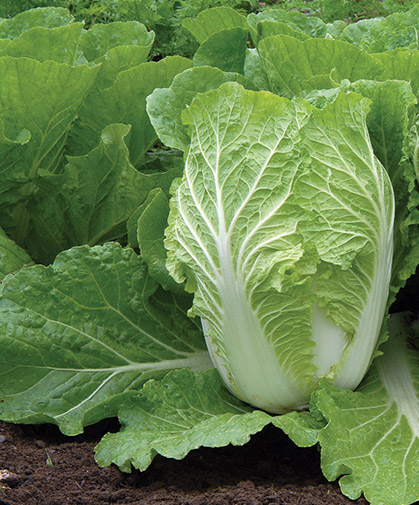
Chinese cabbage is vulnerable to pests and diseases.
Common pests:
- Aphids
- Cabbage worms
- Slugs and snails
- Leaf miners
Natural remedies:
- Neem oil spray every 7–10 days
- Garlic-chili spray to deter insects
- Handpick caterpillars or use a net to prevent pests
Disease prevention: Avoid overcrowding, provide good drainage, and rotate crops each season.
Step 9: Supporting Growth and Preventing Bolting
Chinese cabbage can bolt (flower prematurely) under high temperatures or stress, reducing edible leaves.
Prevent bolting:
- Maintain consistent watering
- Mulch to keep soil cool
- Choose bolt-resistant varieties
- Harvest continuously by cutting outer leaves early
Step 10: Harvesting Chinese Cabbage
When to harvest:
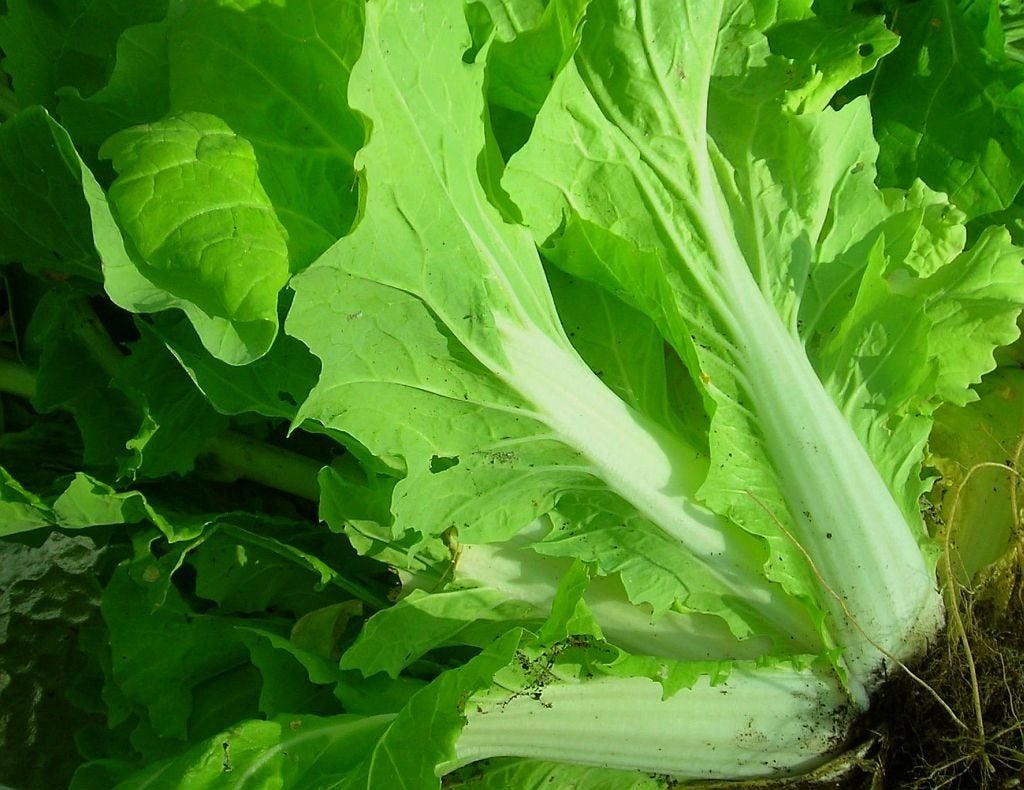
- For leafy use: Harvest outer leaves when 8–10 inches long
- For full head: Wait until the cabbage forms a tight, compact head
How to harvest:
- Use a sharp knife to cut the head at the base, leaving roots for possible regrowth
- Pick outer leaves regularly to encourage continuous growth
Harvesting at the right stage ensures sweet, tender leaves and heads.
Step 11: Extending the Harvest
- Sow seeds in staggered intervals (every 2–3 weeks) for a continuous supply
- Protect plants from extreme heat or frost with shade nets or plastic covers
- Maintain nutrient-rich soil with regular composting
With proper care, you can enjoy fresh Chinese cabbage for several months.
Benefits of Growing Chinese Cabbage at Home
- Fresh and chemical-free: Safe for salads, stir-fries, and soups
- Cost-saving: Seeds are cheap and yield multiple plants
- Easy to grow: Ideal for beginners and small-space gardeners
- Continuous harvest: Staggered planting provides a steady supply
- Nutritious: High in vitamins A, C, and K, and antioxidants
- Fun and educational: Great for families and kids to learn gardening
Conclusion: Home-Grown Chinese Cabbage—Healthy, Fresh, and Rewarding
Growing Chinese cabbage from seeds is a simple, rewarding, and cost-effective gardening practice. By choosing the right variety, preparing nutrient-rich soil, watering consistently, and managing pests, even beginners can produce lush, crisp, and healthy cabbage at home.
Whether you have a balcony, terrace, or garden bed, starting from seeds allows you to control growth conditions, taste, and quality, ensuring a continuous supply of fresh leaves and heads for months.
Start planting today and enjoy the delicious taste and health benefits of home-grown Chinese cabbage, straight from your garden to your kitchen!