Hydroponic farming is transforming the way we grow leafy vegetables, especially spinach (palak). This soil-less farming method is becoming extremely popular among home gardeners, commercial growers, and urban farmers who want cleaner, faster, and nutrient-rich harvests in small spaces. With hydroponics, you can grow fresh green spinach all year round, even on rooftops, balconies, or indoors.
In this 1200-word detailed guide, you’ll learn everything about hydroponic spinach growing—from the basic setup, nutrients, planting techniques, maintenance, pest control, and harvesting. Whether you’re a beginner or an experienced cultivator, this guide will help you achieve lush, healthy, pesticide-free palak effortlessly.
Introduction: Why Hydroponic Farming for Spinach?
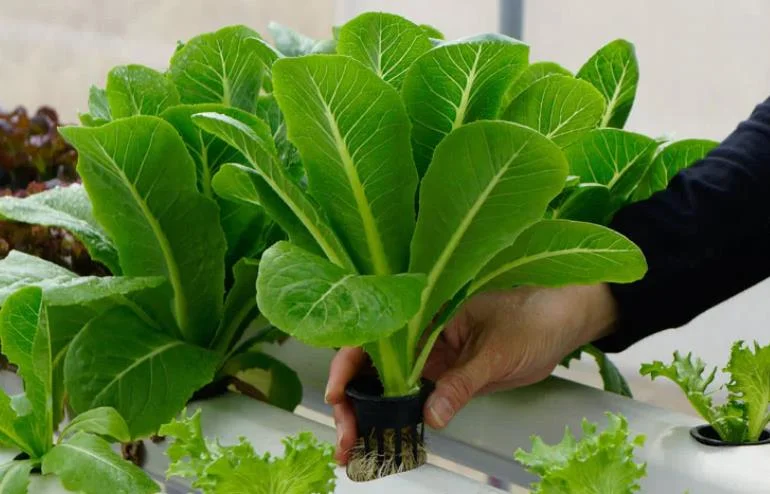
Spinach grows fast, has shallow roots, and thrives in cool, nutrient-rich environments—making it perfect for hydroponics. Unlike soil farming, hydroponics gives:
- Faster growth (30–40% quicker)
- Higher yield in limited space
- No soil-borne diseases
- Less water usage
- Cleaner, fresher leaves
- Year-round cultivation
Hydroponics ensures plants get the exact nutrients they need, directly supplied to the roots through water. This leads to bigger, softer, more nutritious leaves, ideal for home kitchens and commercial production.
Step 1: Choosing the Right Hydroponic System for Spinach
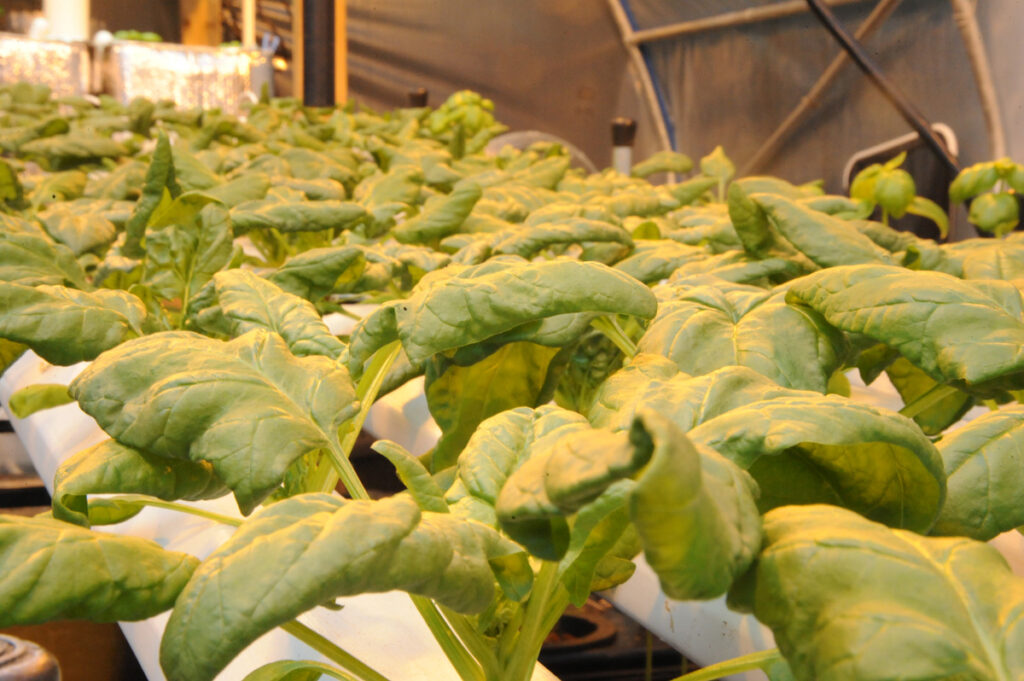
Spinach grows well in several hydroponic systems, but some are more effective than others.
Best systems for hydroponic spinach:
1. NFT System (Nutrient Film Technique)
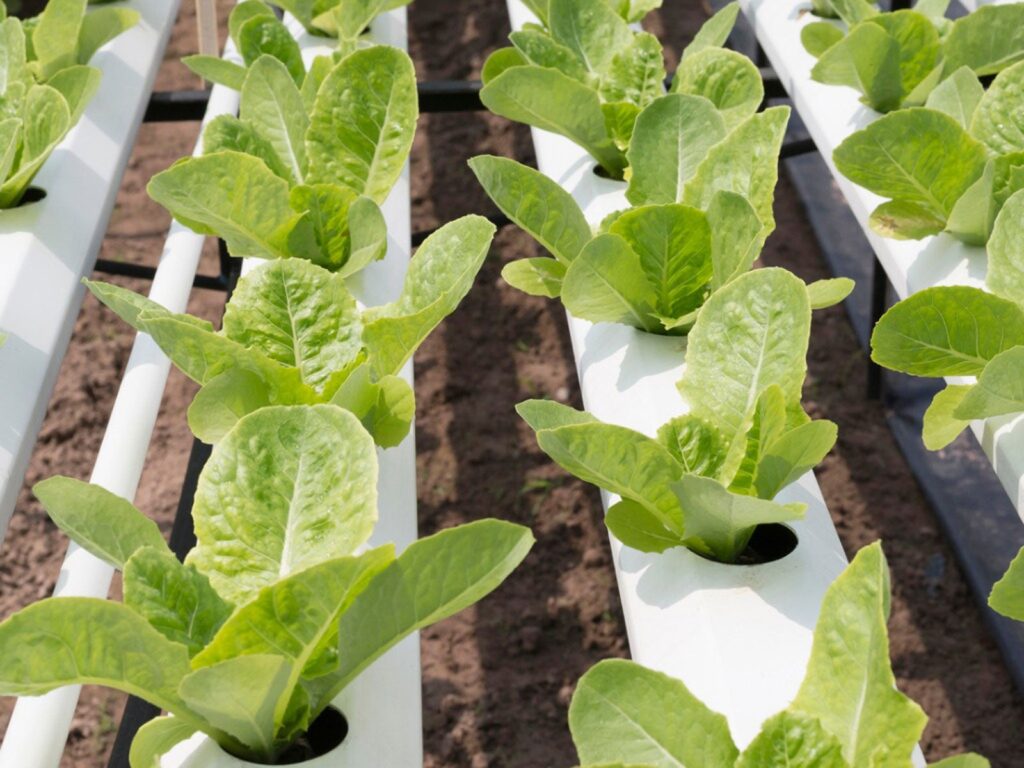
Most popular for leafy greens. Water with nutrients flows in thin layers over the roots.
✔ High yield
✔ Clean and fast
2. Deep Water Culture (DWC)
Plants float on nutrient-rich water using net pots.
✔ Simple setup
✔ Good for beginners

3. Kratky Method (No electricity!)
Passive hydroponics; plants grow in a static nutrient solution.
✔ No pump
✔ Low maintenance
✔ Best for home gardens
4. Dutch Bucket / Grow Bed
Great for large-scale farms.
Choose the system based on your space and budget. For home growers, Kratky or DWC is best. Commercial farms prefer NFT.
Step 2: Preparing Nutrient Solution for Healthy Spinach
In hydroponics, nutrients replace soil. Spinach needs a balanced blend of macro and micro nutrients.
Ideal nutrient composition:
- Nitrogen (N): Leaf growth
- Phosphorus (P): Root development
- Potassium (K): Disease resistance
- Calcium & Magnesium: Leaf quality
- Iron, Zinc, Manganese: Green color and flavor
Use a commercial Hydroponic NPK 3-part solution (Grow + Micro + Bloom) or a ready-made leafy greens nutrient mix.
Nutrient Strength (EC Levels):
- Ideal EC: 1.2 – 1.8 mS/cm
- pH range: 5.8 – 6.5
Keep the pH slightly acidic for maximum nutrient uptake.
Step 3: Germinating Spinach Seeds for Hydroponics
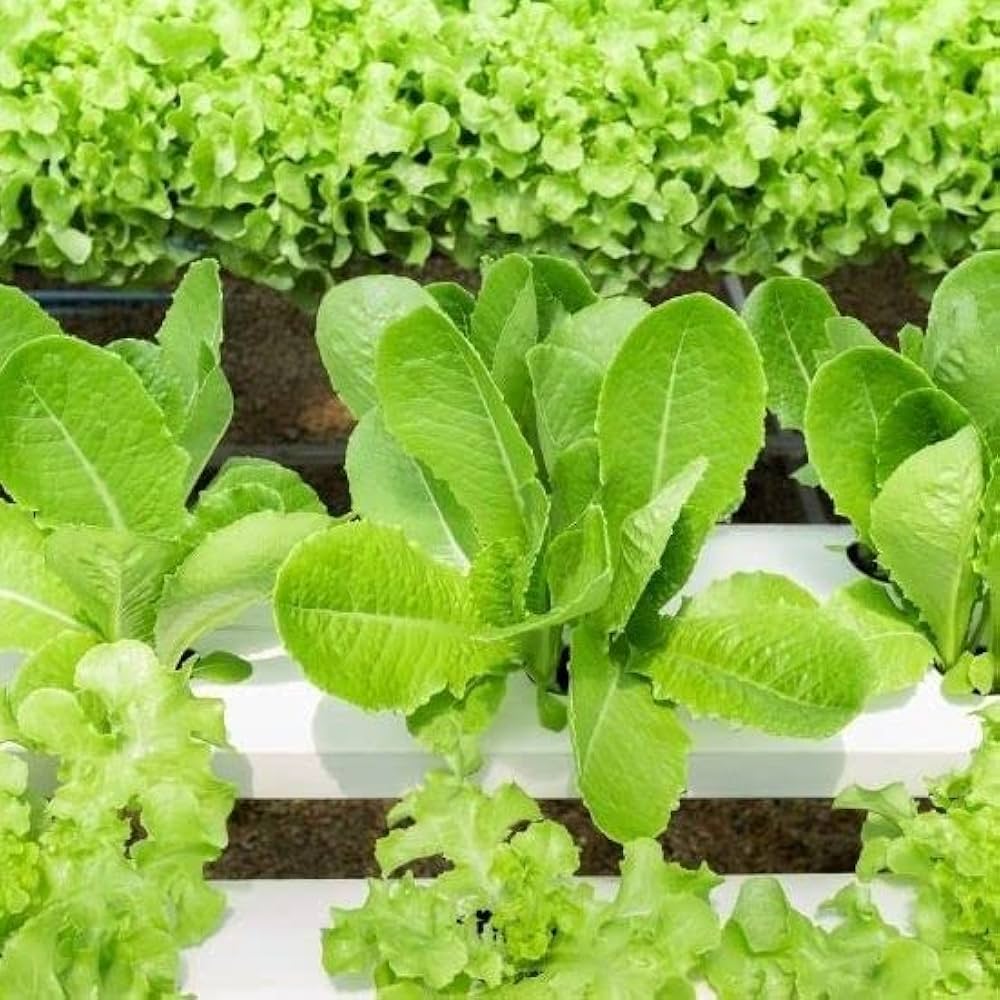
Spinach seeds can be germinated in:

- Cocopeat
- Rockwool cubes
- Jiffy pellets
- Tissue paper
How to germinate:
- Soak seeds in water for 6–8 hours.
- Place them in a moist medium like cocopeat or rockwool.
- Keep in a dark, warm place for 2–3 days.
- When sprouts appear, move them to light.
- After seedlings reach 2–3 inches with 3–4 leaves, they are ready for hydroponics.
Step 4: Transferring Seedlings to the Hydroponic System
When roots begin to show, transplant carefully.
How to transplant:
- Place seedlings in net pots.
- Fill remaining space with:
- Clay pebbles (LECA)
- Coco chips
- Position pots into your hydroponic system chamber.
- Ensure roots touch the nutrient water.
Within a few days, the plant will adapt and grow rapidly.
Step 5: Light Requirements for Hydroponic Spinach
Spinach grows well in:
- 4–6 hours of direct sunlight, OR
- 10–12 hours of grow lights indoors
Best indoor lights:
- LED Grow Lights (Full Spectrum)
- 50–100 watts for home systems
- 1000W+ for commercial setups
Ensure light is neither too intense nor too weak to avoid leaf burn or slow growth.
Step 6: Managing Water Levels and Oxygen
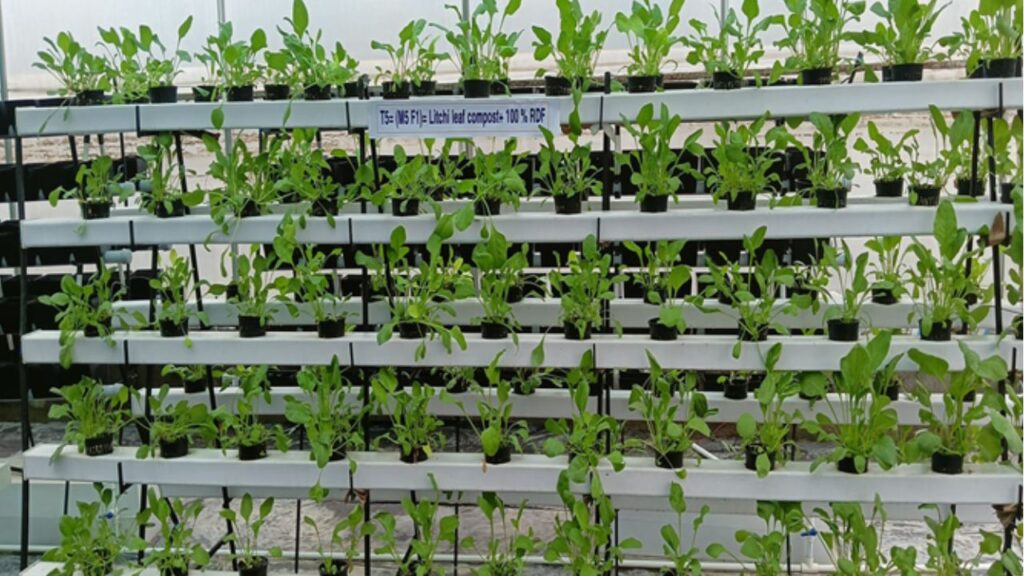
Hydroponic systems must maintain:
- Clean, oxygen-rich water
- Steady nutrient supply
DWC or NFT systems require:
- An air pump
- Air stone for oxygenation
Kratky method:
- Leave 30–40% empty space at the top of the container
- Roots get natural oxygen from the air gap
Change nutrient solution every 10–14 days.

Step 7: Growth Monitoring and Regular Care
Monitor plant growth every 2–3 days.
Look for:
- New leaf formation
- Root health (white roots = healthy)
- Leaf color (deep green = perfect nutrition)
- Water level
- pH and EC values
Weekly tasks:
Clean system
Replace evaporated water
Check pump function
Remove dead leaves
A clean system prevents fungus and algae.
Step 8: Hydroponic Spinach Pest and Disease Control
Although hydroponic farming reduces pests, a few may still appear.
Common pests:
- Aphids
- Whiteflies
- Leaf miners
Control methods:
✔ Neem oil spray
✔ Garlic-chili spray
✔ Soap water spray
Avoid chemical pesticides—they contaminate the nutrient water.
Disease prevention:
- Maintain good air flow
- Avoid overwatering
- Keep system clean
- Use clean water and sterilized equipment
Step 9: When and How to Harvest Hydroponic Spinach
Hydroponic spinach grows faster than soil-grown plants.

Harvest time:
- 25–40 days after transplanting
- Leaves reach 6–8 inches
Harvesting methods:
- Cut-and-Come-Again Method
- Remove outer leaves
- Plant continues producing for months
- Full Harvest
- Cut entire plant
- Start a new batch
Hydroponic spinach tastes:
- Softer
- Cleaner
- More nutrient-rich
- Less bitter compared to soil-grown spinach
Step 10: Advantages of Hydroponic Spinach Farming
1. Fastest growth rate
You can harvest in half the time of soil farming.
2. Grows in small spaces
Balcony, terrace, or indoors—everything works.
3. Water-efficient
Uses 70–90% less water than soil farming.
4. No pesticides
Clean, healthy, fresh produce.
5. Year-round cultivation
Climate doesn’t affect growth much.
6. High commercial value
Perfect for professional hydroponic farming.

Conclusion: Hydroponic Spinach Farming Is the Future of Urban Agriculture
Hydroponic farming of spinach (palak) is a simple, clean, and highly productive method of growing fresh greens. Whether you are setting up a small home system or planning a commercial project, hydroponics ensures:
- Fast growth
- Better quality
- High yield
- Lower effort
- Zero soil dependency
With just a little equipment and understanding, you can produce lush, green, healthy spinach all year long—straight from your hydroponic garden.