Myoga ginger, also known as Zingiber mioga, is a unique and highly prized plant in Japanese cuisine. Unlike regular ginger grown for its roots, myoga is valued for its flower buds and tender shoots, which add a refreshing, mildly spicy flavor to dishes. If you’ve ever tasted it in soups, sushi, or salads, you know how special it is. The good news? You can grow myoga ginger at home—even in small spaces!
This comprehensive 1200-word guide will take you step-by-step through everything you need to know: planting techniques, soil mix, climate requirements, care tips, harvesting, and troubleshooting. By the end, you’ll be fully ready to grow your own abundant harvest of delicious myoga ginger.
What Makes Myoga Ginger Special?
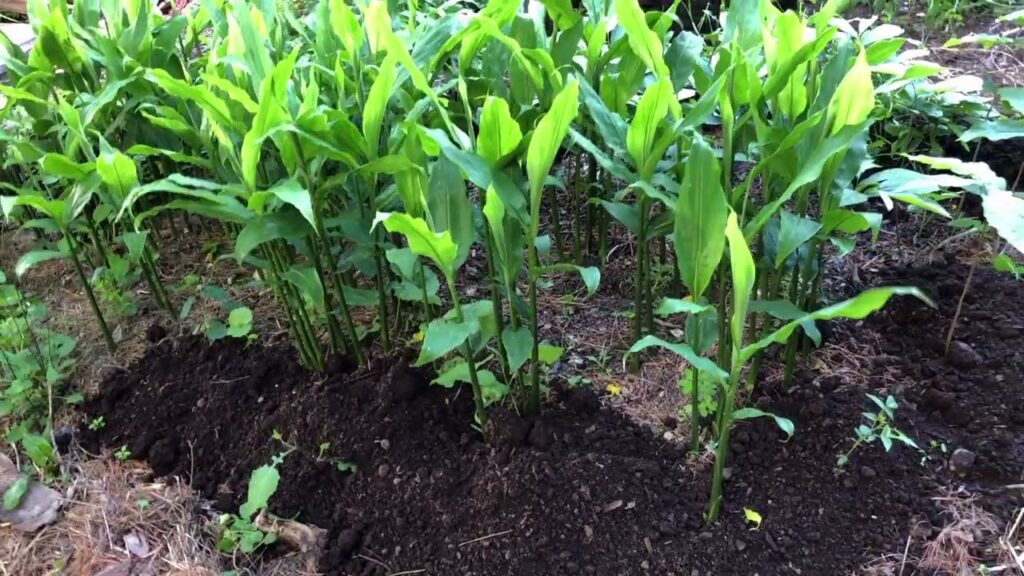
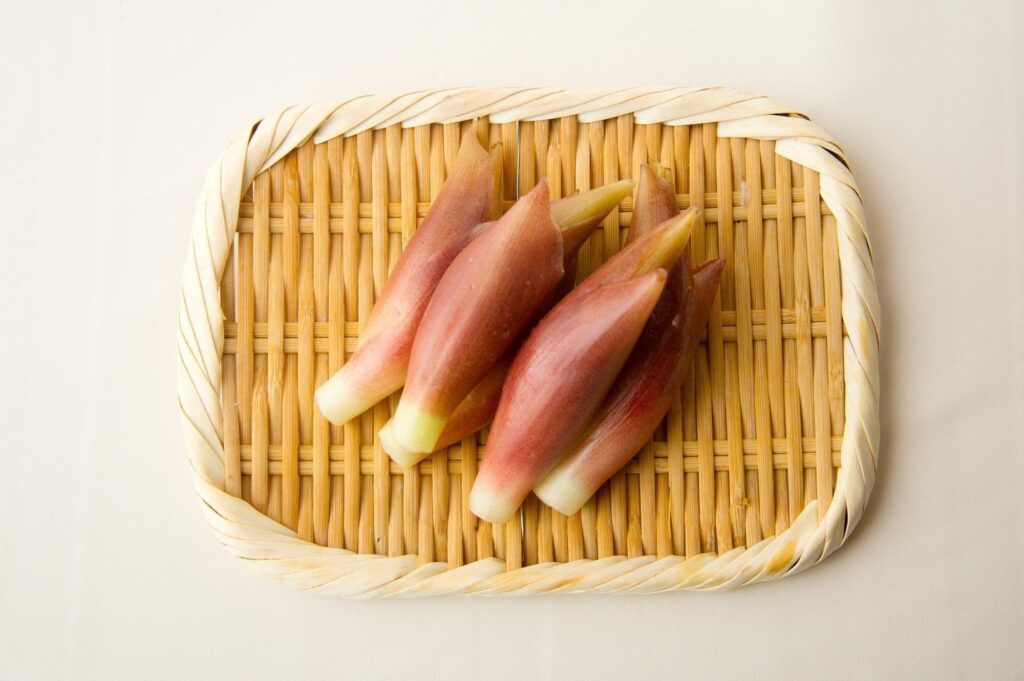
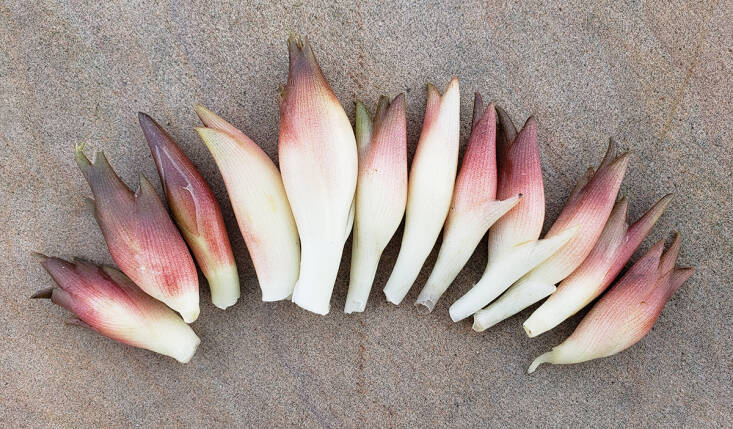
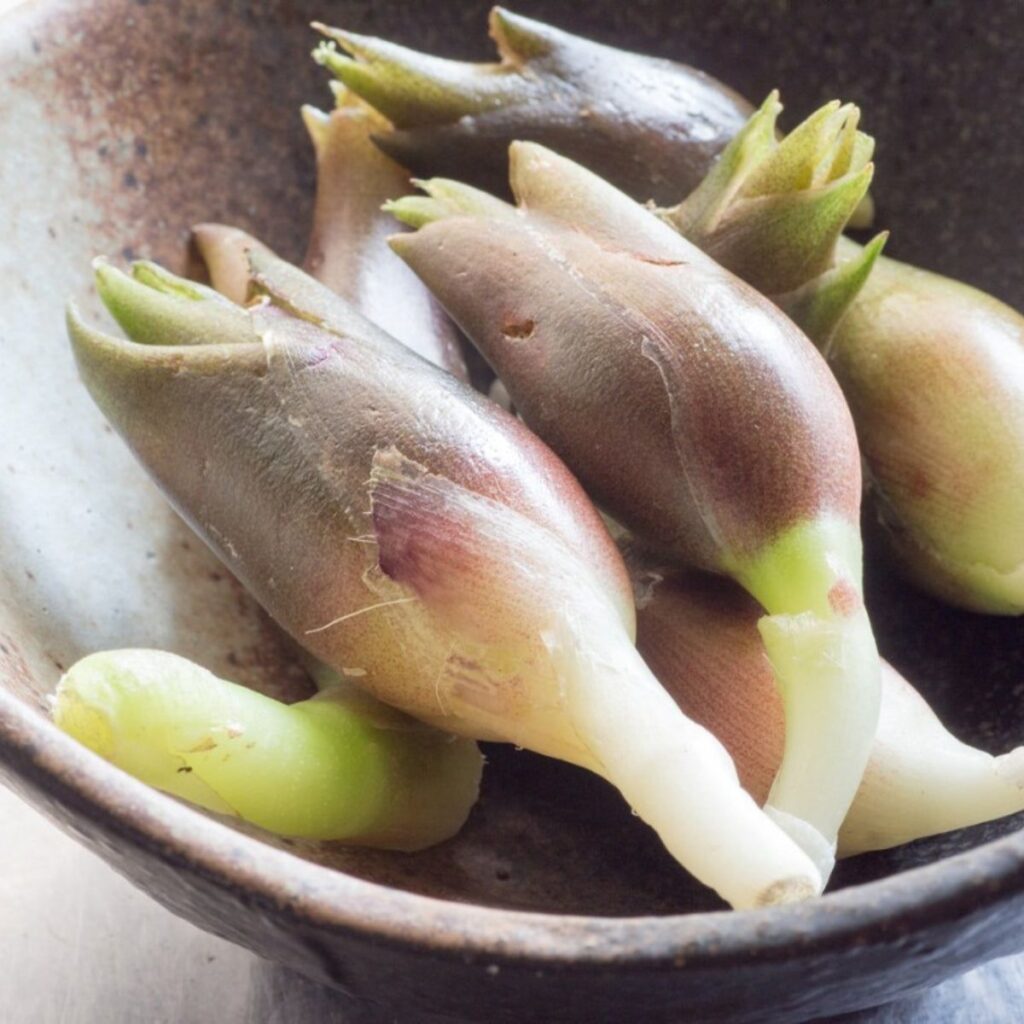
Myoga ginger is different from common ginger (Zingiber officinale). You don’t use its rhizome for cooking—though it is edible. Instead, the plant produces fragrant, pinkish flower buds near the soil surface, which are harvested before they bloom. These buds have a refreshing zing, almost like a blend of ginger, lemongrass, and scallions.
Myoga is:
- Shade-loving
- Cold-tolerant
- Low-maintenance
- Perennial—grows back year after year
- Highly productive when grown right
This makes it ideal for home gardeners, especially those with shaded or partially shaded areas.
Climate Requirements for Myoga Ginger
Myoga ginger grows naturally in cool, forested, humid environments. It thrives in:
- Mild temperatures: 10°C to 25°C (50°F to 77°F)
- Partial to full shade
- Humid conditions
It struggles in extreme heat, direct harsh sunlight, and very dry climates unless given extra care.
If you live in:
- A tropical area: grow it in deeper shade and keep soil moist.
- A colder region: mulch heavily or grow in containers to move indoors during freezing weather.
Choosing the Right Container or Planting Area
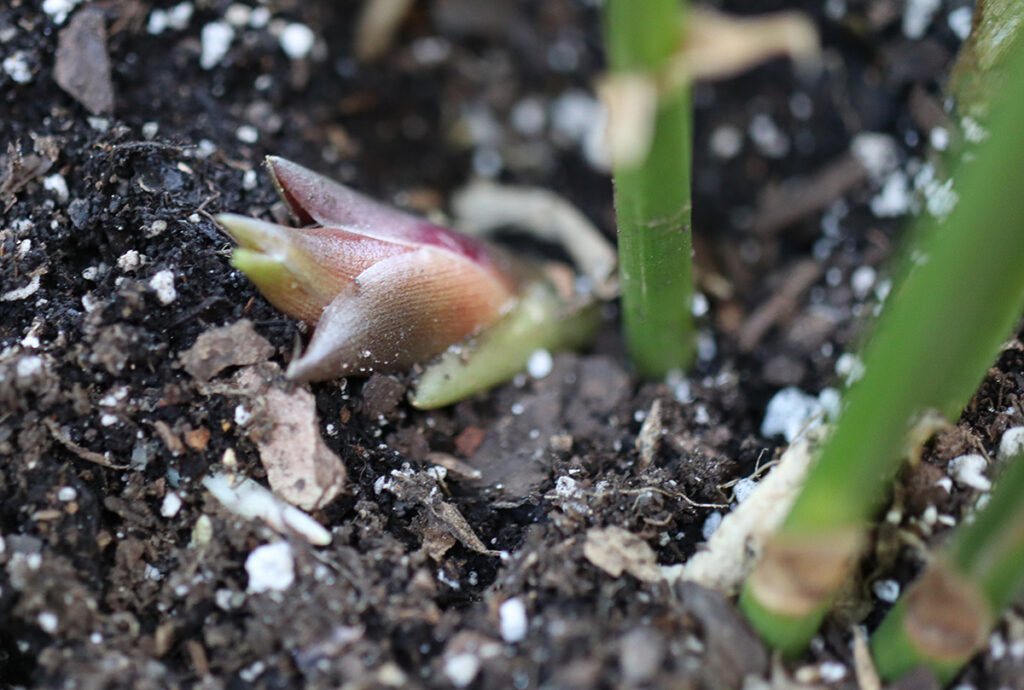
Myoga ginger can be grown in the ground or in large containers.

Container Requirements
- Size: Minimum 12–15 inches deep, 16–20 inches wide
- Material: Plastic, ceramic, grow bags, or terracotta
- Drainage: Essential—myoga roots rot easily in waterlogged soil
Because the plant spreads horizontally through rhizomes, a wide pot is better than a deep one.
Garden Bed Planting
Choose a place that receives:
- Morning sun + afternoon shade
OR - Filtered sunlight throughout the day
Avoid full sun locations. Myoga leaves scorch quickly in direct heat.
Preparing the Perfect Soil Mix
Myoga ginger loves loose, nutrient-rich, moist but well-draining soil.
Ideal Soil Composition
- 40% garden soil
- 30% compost or aged manure
- 20% cocopeat for moisture retention
- 10% perlite or sand to improve drainage
Additional Boost
Add:
- A handful of bone meal (for strong rhizomes)
- A handful of neem cake (to prevent soil pests)
Mix well before planting.
How to Plant Myoga Ginger (Step-by-Step)
You can grow myoga from rhizome divisions, which is the easiest and fastest method.
Step 1: Choose Healthy Rhizomes
Select rhizomes that have:
- Firm texture
- Visible “eyes” or buds
- No mold or soft spots
Each piece should be 2–3 inches long and have at least one growing node.
Step 2: Pre-Sprout (Optional but Helpful)
Place rhizomes in:
- A tray with moist cocopeat OR
- A shaded spot with humid conditions
Within 1–2 weeks, small shoots will begin to emerge.
Step 3: Plant Rhizomes
- Dig shallow trenches or holes (2–3 inches deep).
- Place rhizomes horizontally with buds facing up.
- Cover lightly with soil, do not bury too deep.
Spacing:
- Container: 2 rhizomes per large pot
- Ground: Space 12–18 inches apart
Step 4: Water Thoroughly
Moisten the soil well after planting, but avoid overwatering.
Step 5: Keep in Shade
Maintain 70–80% shade during the initial growth phase.
Caring for Myoga Ginger
Once planted, myoga ginger is surprisingly low-maintenance. But consistent care leads to bigger, more flavorful harvests.
Watering Needs
Myoga ginger prefers constantly moist soil.
Watering Tips:
- Water 3–4 times a week in warm weather.
- Reduce watering during rainy periods.
- Avoid water stagnation—this causes root rot.
- Mulch with dry leaves or straw to maintain moisture.
The plant will wilt slightly if underwatered, so monitor the soil regularly.
Light Requirements
Myoga is a shade-loving plant.

Best Light Conditions:
- Filtered sunlight
- Partial shade
- Under trees
- North or east-facing areas
Avoid:
- Harsh afternoon sun
- Open rooftops without shade
Fertilizing Myoga Ginger
Myoga needs consistent nutrients to grow strong rhizomes and thick leafy clumps.
Fertilizing Schedule:
- Every 3–4 weeks: Add compost or vermicompost
- Every 15 days: Apply seaweed extract or compost tea
- Every 2 months: Add bone meal or organic slow-release fertilizer
Avoid heavy chemical fertilizers—they reduce flower bud flavor.
Mulching – A Key to Success
Thick mulching replicates the natural forest floor where myoga grows wild.
Mulch with:
- Straw
- Coconut husk
- Dry leaves
- Wood chips
Benefits:
- Retains moisture
- Keeps roots cool
- Prevents weeds
- Enhances soil structure
Pest & Disease Management
Myoga ginger is relatively pest-resistant but can still face issues.
Common Pests:
- Aphids
- Snails
- Slugs
- Spider mites
Natural Remedies:
- Neem oil spray
- Garlic-pepper spray
- Handpicking snails/slugs
- Mulching to deter pests
Diseases:
- Root rot (from overwatering)
- Leaf burn (from too much sunlight)
Prevention:
- Improve drainage
- Grow in shade
When and How to Harvest Myoga Ginger
The real excitement comes when your plant starts producing edible flower buds.
Time to Harvest
Myoga takes:
- 10–12 months after planting to produce flower buds
- More than a year in colder climates
Flower buds appear at ground level, hidden under leaves.
How to Harvest
- Gently move aside the soil around the plant base.
- Look for firm, pinkish buds emerging from the soil.
- Twist and pull the buds with your hand or cut with scissors.
Do not remove too many at once—this weakens the plant.
Harvesting Shoots
The tender young shoots are also edible.
Collect shoots that are:
- 6–8 inches tall
- Pale green or yellowish
Post-Harvest Plant Care
After harvesting:
- Add compost to the base
- Remove dead leaves
- Keep mulched
- Continue watering at a normal pace
This ensures continuous production year after year.
Overwintering Myoga Ginger
If you live in a cold region:
- Cut the stems down to soil level in winter
- Add heavy mulch (4–5 inches)
- Move pots indoors or to sheltered spaces
The plant will regrow in spring.
Using Myoga Ginger in Your Kitchen
Myoga adds a refreshing, lightly spicy flavor to dishes.
Use it in:
- Salads
- Pickles
- Tempura
- Miso soup
- Sushi toppings
- Stir-fries
Slice thinly to enhance aroma and flavor.
Final Thoughts: A Unique Plant Worth Growing
Growing myoga ginger is a rewarding experience for any gardener. Its low-maintenance nature, shade-loving behavior, and annual productivity make it perfect for home gardens. Whether you’re growing it on a balcony, beside your house, or under a tree, it will thrive if given moisture, shade, and good soil.
In just a year, you’ll be harvesting delicious, fragrant myoga buds—an ingredient rarely found outside Asia and extremely special in home-grown form.