There’s something undeniably charming about a monogram. Whether it’s delicately stitched on a linen napkin, elegantly engraved on a gold necklace, or proudly displayed on a tote bag, that trio of initials carries more than just letters — it tells a story.
And no one embraces that story quite like Southern women.
In the South, monograms aren’t just decorative — they’re a tradition, a love language, and a statement of identity passed down through generations. Long before social media handles and personalized hashtags, monograms were how Southerners made their mark on the world, both literally and figuratively.
But what is it about monograms that continues to captivate Southern women in an age of minimalism and fast fashion? Let’s explore the history, sentiment, and enduring allure of this timeless Southern tradition.
A Heritage Etched in Elegance
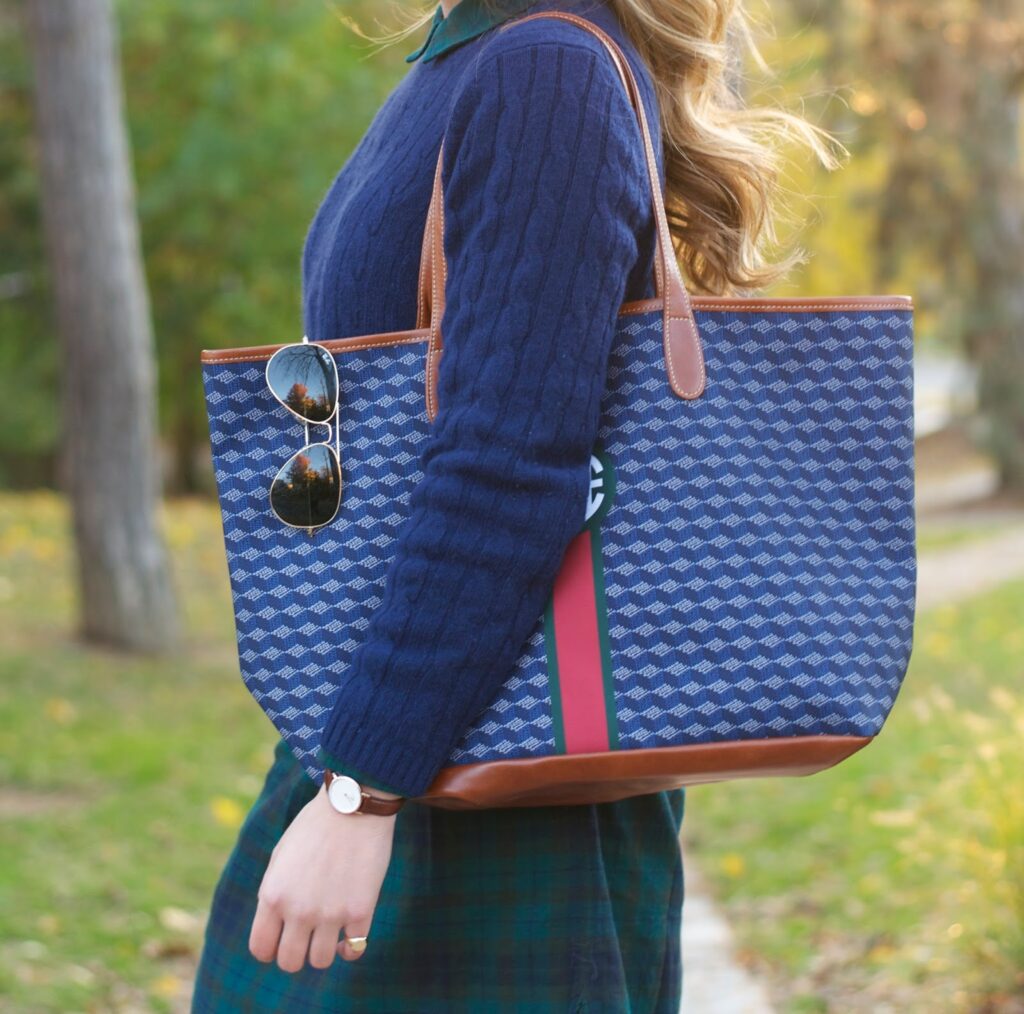
To understand the Southern love affair with monograms, you have to look back in time. The practice dates as far back as ancient Greece and Rome, where rulers and artisans used monograms to mark coins and works of art. But it was during the Victorian era that monograms took on a more personal, elegant form — embroidered on linens, engraved on silver, and etched into stationery.
When the tradition arrived in the American South, it became deeply entwined with family, heritage, and pride. For Southern women, monograms symbolized both refinement and belonging. Having your initials embroidered on your handkerchief or gown wasn’t merely decorative — it reflected care, grace, and good upbringing.
Over time, these personalized marks evolved from formal heirlooms to everyday expressions of individuality. Yet even as styles and trends shifted, the tradition of personalization never went out of style below the Mason-Dixon line.
A Symbol of Southern Identity
Ask any Southern woman why she loves monograms, and she’ll likely tell you it’s about more than aesthetics. It’s about roots.

The South values heritage, family, and continuity, and few traditions embody that spirit like the monogram. From baby blankets to wedding invitations, monograms often represent milestones — a visual thread connecting generations.
- A new mother monograms her baby’s onesies, cherishing each tiny stitch.
- A bride embroiders her new initials on linens as she builds her home.
- A grandmother passes down a sterling silver locket engraved decades ago.
Each monogram tells a story — of love, lineage, and legacy.
In many ways, it’s the Southern version of keeping history alive, one beautifully curved letter at a time.
Monograms as Modern Self-Expression
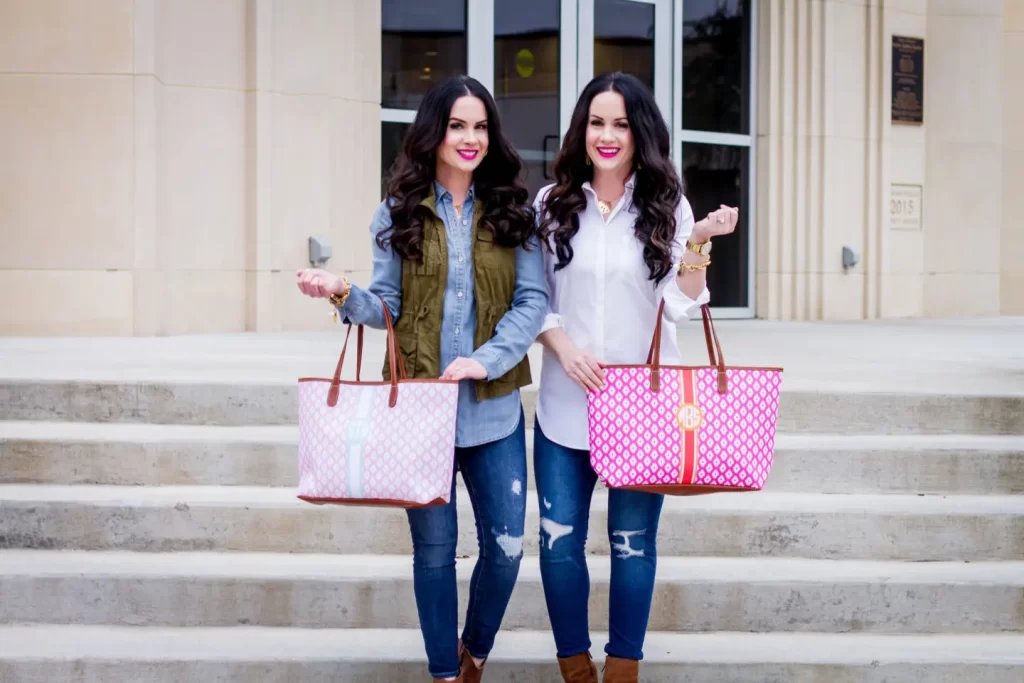
Though steeped in tradition, monograms have evolved right alongside fashion. What once adorned delicate handkerchiefs and heirloom silverware now appears on phone cases, tote bags, jewelry, stationery, and even sneakers.
Today’s Southern woman might mix old-world charm with new-world practicality, pairing her grandmother’s embroidered initials with her own sleek, modern pieces.
There’s an art to it — blending nostalgia and modernity.
- Minimalist gold monogram necklaces have replaced chunky engraved pendants.
- Acrylic monogram keychains add personality to car keys or handbags.
- Custom stationery with elegant script initials remains a timeless Southern staple.
It’s personalization with purpose — a quiet yet confident way to say, This is mine, and this is me.
The Etiquette (and Art) of the Monogram
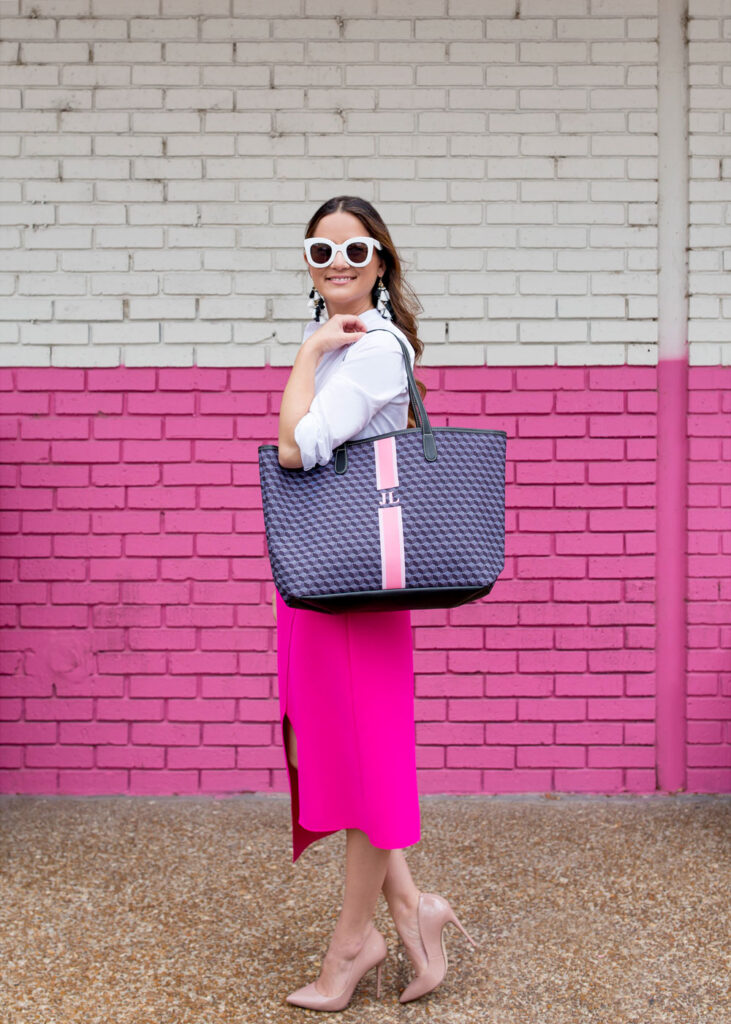
In the South, monogramming isn’t done haphazardly — there’s a right way to do it. Every Southern woman knows the subtle rules that dictate letter placement and style, and that’s part of the charm.

Here’s a quick refresher on classic monogram etiquette:
- For individuals: The traditional monogram order is first name, last name, middle name — with the last name initial larger and centered.
- Example: Mary Elizabeth Carter becomes MCE (with the “C” in the center).
- For married women: The monogram often includes her first name, married last name, and maiden name.
- Example: Anna Grace Johnson (married to Mark Johnson) becomes AJG.
- For couples: The shared monogram places the wife’s first initial on the left, the husband’s on the right, and the family last name in the center.
- Example: Sarah and James Walker become SWJ.
Getting it wrong is a faux pas, but getting it right? That’s Southern perfection.
Even the font style carries meaning. Script fonts evoke romance and heritage, while block lettering feels crisp and contemporary. Every curve, serif, and swirl adds another layer of personality.
From Baby Blankets to Wedding China
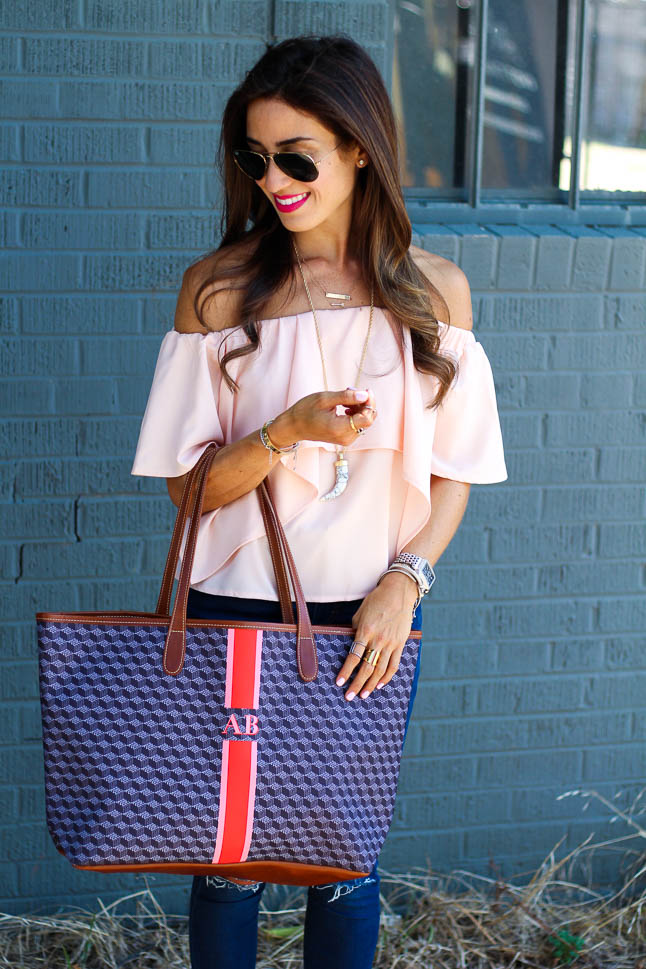
Southern women love a good monogram because it accompanies them through every stage of life.
Babyhood
It starts early — sometimes before the baby is even born. Monogrammed onesies, burp cloths, and nursery décor fill Southern baby showers. It’s a sweet, heartfelt way to celebrate a child’s arrival and mark their place in the family’s story.
College Years
When she heads off to college, her dorm room becomes a shrine to monogramming — towels, pillowcases, backpacks, even coffee mugs. It’s her way of bringing a piece of home wherever she goes.
Marriage
Weddings and monograms go hand in hand in the South. Brides spend months selecting the perfect script for invitations, napkins, robes, and china. It’s not just a design choice — it’s the start of a shared identity.
Home and Hospitality
No Southern home is complete without monogrammed touches: embroidered napkins, personalized doormats, and monogrammed guest towels. It’s hospitality wrapped in heritage — a subtle way of saying, Welcome to our home.

A Reflection of Pride and Politeness
Southern charm is all about presentation and thoughtfulness, and monograms reflect both. They show that you’ve taken time to make something special — that you care about details.
When you hand a friend a gift with her initials on it, it’s more than just a present; it’s a gesture of affection and intention.
That’s why personalized gifts are so popular in the South. From engraved jewelry to embroidered robes, they carry a level of warmth that store-bought items simply can’t replicate.
It’s a small way of saying, “You matter.”
The Cultural Shift — and Why It Doesn’t Matter
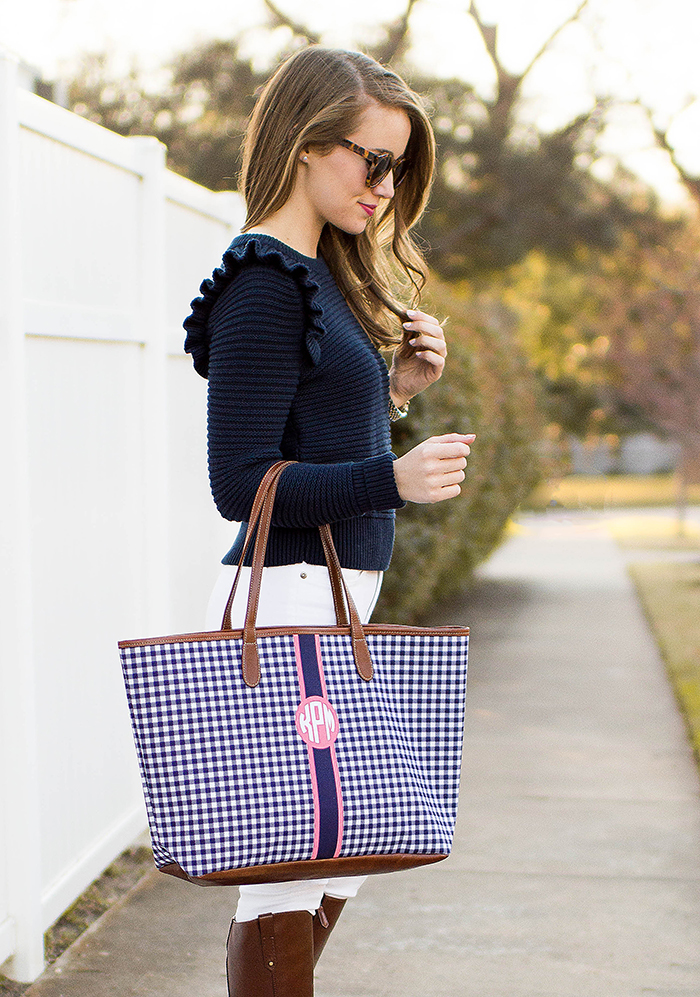
In recent years, minimalism has dominated the fashion and décor world. Clean lines, unadorned spaces, and unbranded aesthetics have their appeal. Yet despite those trends, monograms have held strong in the South.
Why? Because Southern style isn’t about trends — it’s about tradition.
While modern culture leans toward sameness, Southern women use monograms to do the opposite — to celebrate individuality and family identity in a deeply personal way.
Even young Southerners, who may favor more subtle or minimalist versions, continue the legacy. Instead of ornate three-letter engravings, they may choose single-initial charms or monogrammed phone cases — updated, yet unmistakably Southern.

It’s proof that this tradition isn’t fading; it’s simply evolving.
Monograms as a Love Language
For Southern women, monograms are more than symbols — they’re sentimental.
They represent family, love, and a sense of continuity that transcends generations.
- A mother’s handkerchief embroidered with her daughter’s initials.
- A silver charm bracelet gifted at graduation.
- A personalized robe worn while getting ready on a wedding morning.
Each piece tells a story of love — quiet, proud, and enduring.
In a world that moves fast, the monogram slows things down. It reminds us that identity matters. That family names hold power. That beauty lies in the details.
Why the Tradition Still Thrives
Southern women love monograms because they’re timeless — but also because they’re deeply personal. In a culture that values storytelling and heritage, the monogram serves as both a badge of pride and a gentle reminder of where you come from.
It’s not about vanity; it’s about belonging.
Every embroidered towel and engraved bracelet carries a whisper of history — one that says, This is me. This is my family. This is home.

As trends come and go, the monogram remains steady — elegant, sentimental, and unmistakably Southern.
Final Thoughts
In the South, style has never been about following the latest craze. It’s about celebrating who you are and honoring the people and stories that shape you.
That’s why, even in 2025, monograms continue to adorn handbags, china, and jewelry boxes across the region. They’re not just decorative flourishes — they’re symbols of connection, heritage, and pride.
So the next time you see a beautifully monogrammed tote or a delicate gold necklace bearing three intertwined letters, know that it’s more than just fashion.
It’s Southern history, stitched and engraved with love — one initial at a time.