If you’ve ever been lucky enough to share a meal at a Southern dinner table, you know it’s more than just supper—it’s a sacred social ritual. The table is where stories are shared, recipes are guarded, and family bonds are strengthened. But it’s also where good manners reign supreme. In the South, how you talk at the table matters just as much as what’s being served.
Whether you’re at Sunday dinner, a church potluck, or Grandma’s holiday feast, certain topics and comments are best left unsaid. Here are seven things you should never say at a Southern dinner table—and what to do instead if you want to stay in everyone’s good graces.
1. “Is This All Homemade?”
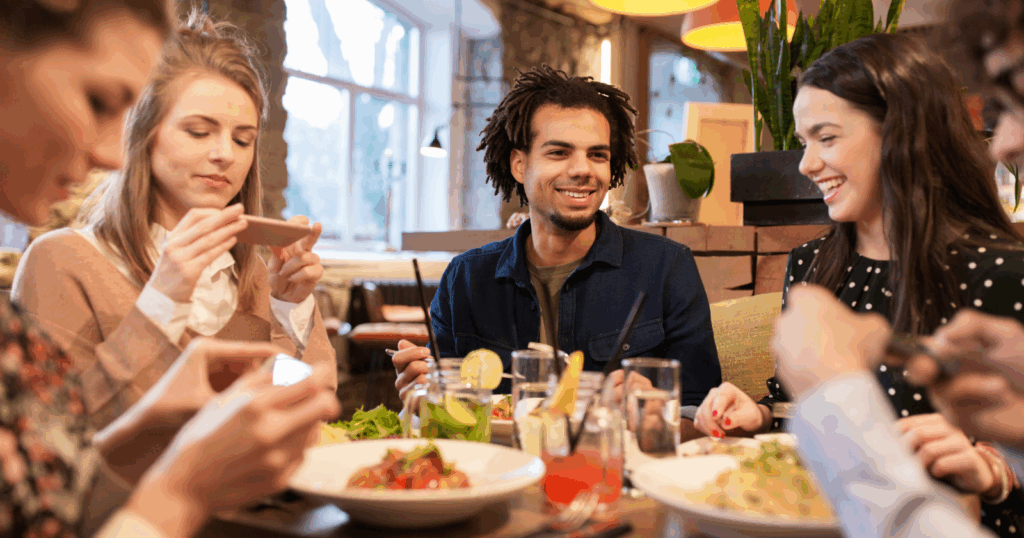
In the South, every dish on the table—whether it came from Grandma’s oven or the deli down the street—deserves respect. Questioning whether something is homemade can come across as an insult, even if you don’t mean it that way.
Southern cooks take pride in what they serve, and sometimes “homemade” means a clever combination of shortcuts and love. Maybe the biscuits came from a can, but that gravy was whisked from scratch. Maybe the pie crust was store-bought, but the filling is Grandma’s secret recipe.
The polite move: Compliment the dish instead. Say, “This is delicious—what’s in it?” or “You’ll have to give me that recipe.” That way, you’re showing appreciation, not suspicion.

2. “I Don’t Eat Fried Food”
Saying this at a Southern table is about as shocking as declaring you don’t like sweet tea. Fried food isn’t just a menu item—it’s a way of life. Fried chicken, okra, green tomatoes, and catfish are staples of Southern cooking, and refusing them outright can sound like a rejection of the culture itself.
Now, if you have a dietary restriction or a health reason, folks will understand. But if it’s just a preference, it’s better to keep quiet and politely pass the platter without commentary.
The polite move: Take a small serving or simply say, “Everything looks wonderful, but I’m going to stick to lighter options tonight.” No one will take offense if you show gratitude first.
3. “You Know, This Could Be Healthier…”

No, ma’am. Southerners didn’t come to dinner to count calories—they came to celebrate life, family, and flavor. Pointing out how much butter, sugar, or salt went into a dish is a fast way to kill the mood.
That macaroni and cheese might have three types of cheese (and maybe a stick of butter), but that’s part of the joy. Southern food isn’t meant to be eaten in moderation every day—it’s meant to be enjoyed when served.

The polite move: Keep nutrition talk for another time. At the table, just enjoy what’s in front of you—or quietly pass what you prefer to skip.
4. “Politics, Religion, or Family Gossip”
Southerners may be known for long, lively conversations, but some topics are best left off the dinner table. Politics and religion can divide faster than you can say “pass the cornbread.” Even friendly debates can turn fiery when strong opinions meet strong personalities.
And as for family gossip? Well, that’s best saved for the porch—if at all. Southern dinner tables are places for harmony, laughter, and plenty of “Did y’all hear about…” stories that end with a chuckle, not a feud.
The polite move: Keep things light. Talk about food, the weather, gardening, football, or shared memories. A true Southerner knows how to make conversation without stirring the pot.
5. “I Don’t Like Sweet Tea”

Sweet tea is the unofficial beverage of the South—some would argue it’s the region’s lifeblood. Saying you don’t like it is like telling an Italian nonna you hate pasta. Even if your taste buds prefer something unsweetened, it’s best to handle that revelation carefully.

Southerners take pride in their tea recipes—strong, sweet, and served over plenty of ice. Refusing it outright can come off as snobbish, even if you don’t mean it that way.
The polite move: Accept a glass graciously, take a polite sip, and if it’s really not your thing, switch to water later. Compliment the effort: “That’s the sweetest tea I’ve ever had—it’s a Southern classic!” A little flattery goes a long way.
6. “My Grandma Makes This Better”
This one’s a big no-no. Every Southern cook believes their recipe is the best—and they’ve probably spent years perfecting it. Comparing someone’s dish to your grandma’s (or anyone else’s) can sound dismissive, even if it’s said fondly.
Your grandma’s cornbread may indeed be unbeatable, but there’s a time and place to sing her praises—and it’s not at someone else’s dinner table.
The polite move: Find something nice to say about what’s served. “This reminds me of home,” or “This is just how my grandma used to make it,” keeps the tone warm and nostalgic, not competitive.

7. “Are You Sure You Want Seconds?”

If there’s one thing Southerners love more than good company, it’s watching people enjoy their cooking. Encouraging second helpings is a form of love. So, questioning someone’s appetite—or making comments about portion sizes—is downright impolite.
Whether someone’s loading up their plate for the third time or nibbling lightly, it’s not your place to comment. Southern dinners are judgment-free zones where food is celebrated, not scrutinized.
The polite move: Offer seconds before anyone asks. A true Southern host will always say, “Go on and get you some more!” Follow their lead, and let folks enjoy as they please.
Bonus: “When Are We Eating?”
In the South, patience is part of the ritual. Meals might not start exactly on time—especially when there’s a big family gathering—but no one rushes the host or the cook. Asking when the food will be ready can come across as ungrateful or impatient.
The polite move: Compliment the smells, the setting, or the effort. Say, “Everything smells amazing,” or “You’ve outdone yourself again.” Gratitude and anticipation are always better than impatience.

The Golden Rule: Kindness First, Always
At a Southern dinner table, manners aren’t about being fancy—they’re about showing respect. Whether you’re dining in a grand dining room or gathered around a picnic table, the rules are the same: be gracious, be thankful, and make everyone feel welcome.
Southerners believe that meals are about more than food—they’re about fellowship. The laughter, the stories, and the warmth are what make a Southern dinner truly special. So mind your words, pass the biscuits, and remember: good manners never go out of style.
Because in the South, the best seasoning isn’t salt or pepper—it’s kindness.