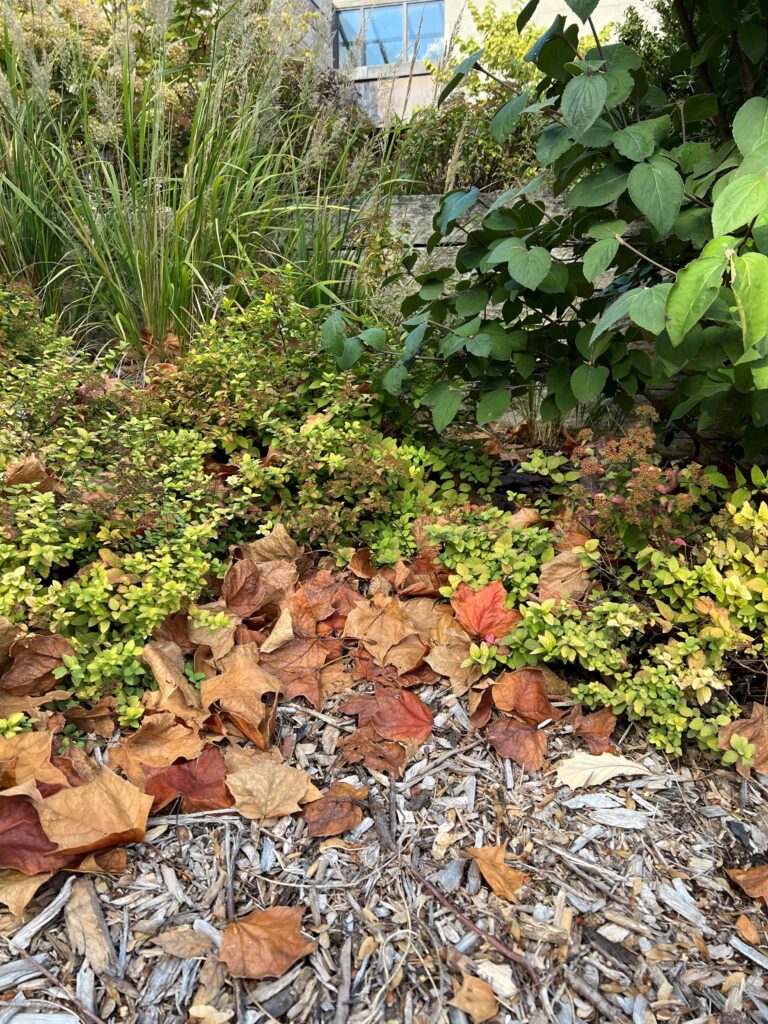
As autumn arrives, a cascade of colorful leaves covers lawns and gardens. For many homeowners, the first instinct is to grab a rake and tidy everything up. While it’s true that a thick blanket of leaves can smother grass or make walkways slippery, completely removing every fallen leaf from your garden beds might not be the best move.
In fact, leaving some leaves in your garden can benefit your soil, plants, and local ecosystem in remarkable ways. Nature designed this annual leaf drop for a reason—and learning to work with it can make your garden healthier, more sustainable, and easier to maintain.
Here’s why you should rethink that full fall cleanup and let your leaves do some of the work for you.
1. Leaves Act as Free, Natural Mulch
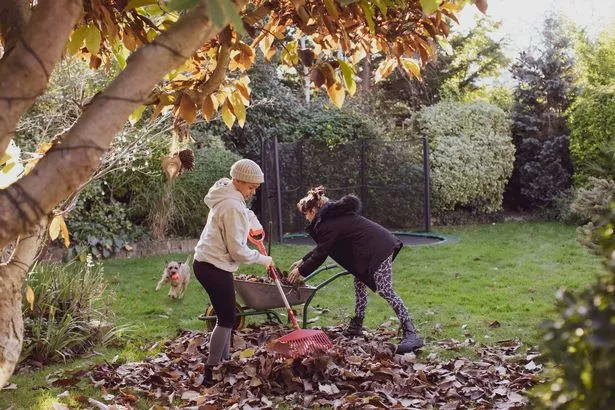
When shredded and left in your garden beds, fallen leaves create one of nature’s best mulches. This natural layer offers a wide range of benefits that go far beyond aesthetics.
Why leaf mulch works so well:
- Moisture retention: A thin layer of shredded leaves helps the soil hold moisture by reducing evaporation.
- Temperature regulation: It insulates plant roots, keeping them warmer in winter and cooler in summer.
- Weed suppression: A layer of leaves can block sunlight, preventing many weed seeds from sprouting.
- Erosion control: Leaves slow down rain runoff and prevent topsoil from washing away.
Instead of spending money on bagged mulch every year, you can use what nature already provides for free—just make sure to shred the leaves first using a mower or leaf shredder. Whole leaves can mat together and block air and water, but shredded leaves break down evenly and blend beautifully into your beds.

2. Leaves Feed the Soil as They Decompose
Every leaf that falls is packed with nutrients—nitrogen, phosphorus, potassium, and trace minerals—that trees have absorbed over the growing season. When those leaves decompose, they return those nutrients to the soil, enriching it naturally.
This process mimics what happens in forests, where the soil stays dark, rich, and full of life thanks to years of leaf litter decomposition. In your garden, this means:
- Healthier soil structure
- Improved nutrient cycling
- Increased organic matter content
- Better water retention and drainage
By leaving some leaves in your garden beds, you’re essentially feeding your soil ecosystem. The nutrients get released slowly, giving your plants a steady source of nourishment through the fall and winter months.
3. Leaf Litter Supports Beneficial Insects and Pollinators
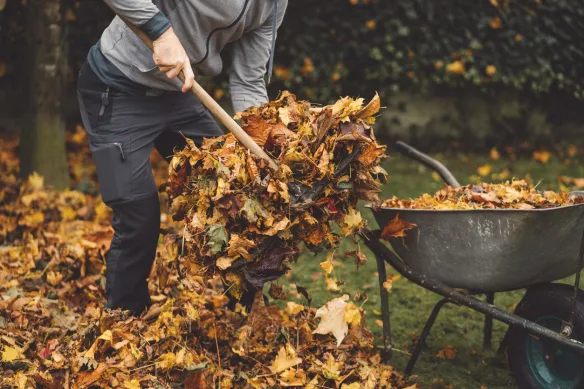
Many beneficial insects and pollinators depend on leaf litter to survive the winter. Butterflies, moths, ladybugs, and ground beetles all use fallen leaves for shelter or as a protective blanket during dormancy.
For example:
- Luna moths and swallowtails lay their eggs on leaves, and their caterpillars use them for protection.
- Fireflies (yes, those glowing summer icons) spend most of their lives in the soil and leaf litter before emerging as adults.
- Bees and other pollinators use leafy debris to shield themselves from cold winds and predators.
When you rake and bag every leaf, you often destroy these habitats. By leaving some leaves in your garden beds—especially around the base of shrubs and trees—you’re creating safe overwintering spots for pollinators that will help your garden thrive in spring.

In short: leaving leaves is one of the easiest ways to support biodiversity in your own backyard.
4. It Encourages Earthworms and Microorganisms
Healthy soil depends on microscopic life—fungi, bacteria, nematodes, and especially earthworms. These underground allies are constantly breaking down organic matter and converting it into plant-available nutrients.
Leaf litter is their favorite food source.
When leaves remain in your garden beds:
- Earthworms thrive, aerating the soil and enriching it with castings.
- Beneficial fungi form symbiotic relationships with plant roots.
- Microbes break down leaves, creating humus, the dark, nutrient-rich material that improves soil structure.
Over time, this cycle transforms even poor, compacted soil into a living, breathable ecosystem teeming with fertility. It’s a natural composting process that happens right where your plants need it most.
5. Leaves Protect Plant Roots During Winter
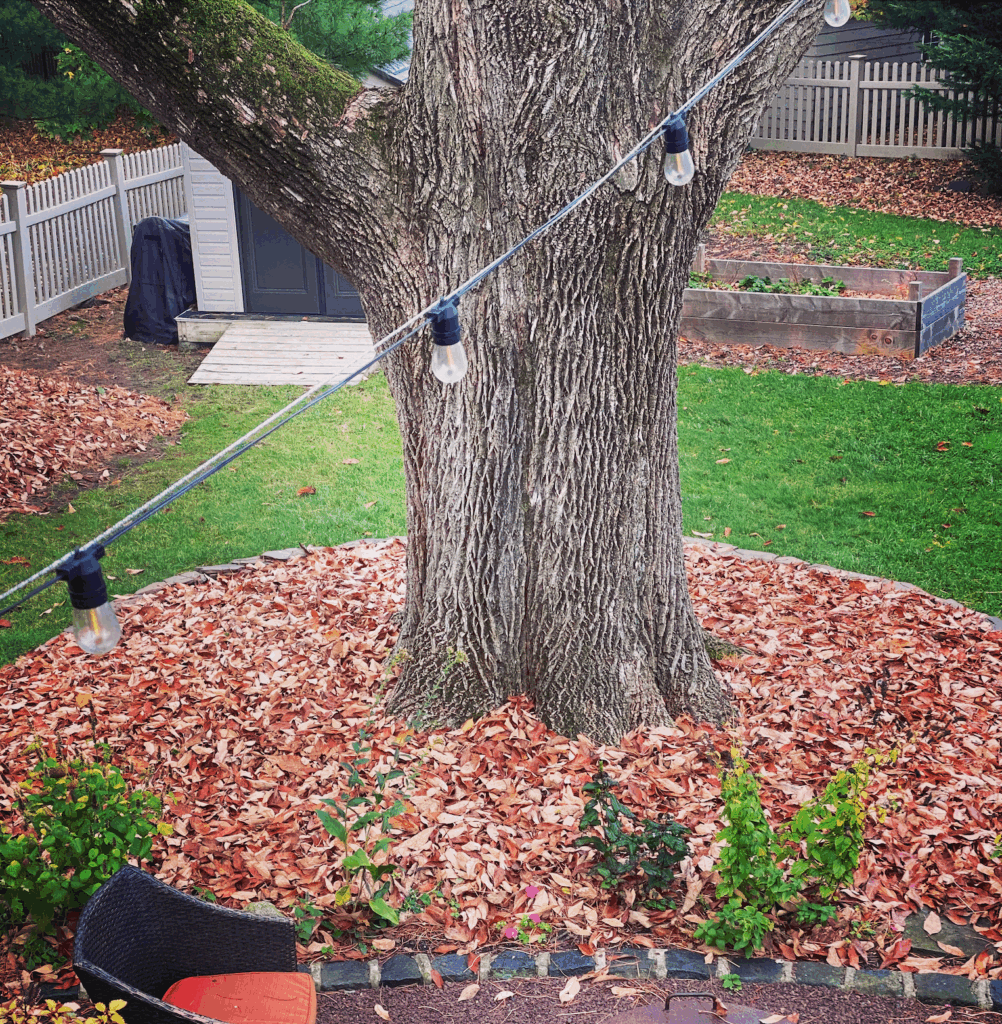
As temperatures drop, plant roots face potential damage from repeated freezing and thawing cycles. A blanket of leaves acts like a cozy insulation layer, keeping soil temperatures more consistent.

Benefits of this natural insulation include:
- Protection for perennials and bulbs from frost heave
- Reduced root stress in young shrubs and trees
- Fewer winter losses among marginally hardy plants
You can enhance this protection by spreading a few inches of shredded leaves around vulnerable plants. Think of it as nature’s version of a winter blanket—effective, biodegradable, and perfectly in tune with your garden’s rhythm.
6. It Reduces Waste and Supports Sustainability
Each fall, millions of tons of leaves are bagged up and sent to landfills, where they take up valuable space and produce methane as they decompose anaerobically. By using your leaves at home instead of throwing them away, you’re making an eco-friendly choice that benefits both your garden and the planet.
A sustainable garden is one that mimics nature’s cycles. Leaving some leaves in your beds means:
- Less yard waste to dispose of
- Fewer synthetic fertilizers needed, since leaves provide nutrients naturally
- A smaller carbon footprint, as you cut down on lawn bag use and landfill contributions
This simple act of letting leaves stay put can have a surprisingly positive environmental impact.
7. How to Manage Leaves the Smart Way
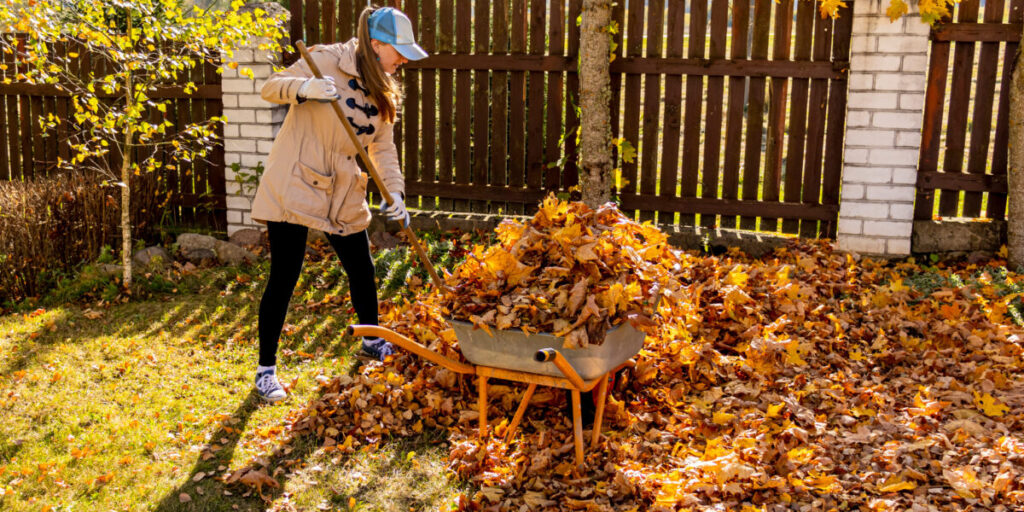
Of course, this doesn’t mean you should let your entire yard become buried in leaves. A balanced approach works best—keeping lawns and paths clear while allowing your garden beds to reap the benefits.

Here’s how to do it right:
Step 1: Rake Strategically
Rake thick leaf piles off your lawn and walkways, then redistribute some of them into garden beds or under trees and shrubs. Avoid piling leaves too thickly (more than 3–4 inches), as this can trap excess moisture and lead to mold.
Step 2: Shred Before Spreading
Use a leaf shredder or run over leaves with your mower to create smaller pieces that decompose faster and won’t mat down.
Step 3: Mulch and Mix
Apply a 2–3 inch layer of shredded leaves around plants, keeping a few inches of space around stems to prevent rot. You can also mix some into your compost pile for balanced carbon-rich material.
Step 4: Leave Some Areas Untouched
Designate a few low-maintenance corners or under-shrub zones as “wild” leaf areas. These spots can serve as natural wildlife habitats through winter.
When You Should Remove Leaves
While leaves are beneficial in garden beds, there are cases where removing them is necessary:
- Thick wet mats on lawns can suffocate grass and invite disease.
- Leaves infected with pests or fungus (like black spot or powdery mildew) should be bagged and removed to prevent spreading.
- Evergreen beds (like juniper or boxwood) should have only a thin layer of leaves to avoid moisture buildup that could lead to rot.
In short, use common sense—keep leaves where they help, and remove them where they harm.
Final Thoughts
Leaving some leaves in your garden beds isn’t lazy gardening—it’s smart, sustainable, and deeply beneficial. Those fallen leaves aren’t trash; they’re nature’s mulch, fertilizer, and habitat all in one.
By embracing the natural cycle of leaf fall, you’re giving your soil organic nourishment, protecting your plants, supporting wildlife, and reducing waste—all while cutting down on yard work.
So this fall, instead of bagging up every leaf, try a gentler approach. Shred them, spread them, and let them work their quiet magic over winter. Come spring, you’ll be rewarded with richer soil, healthier plants, and a more vibrant garden that’s teeming with life—all thanks to those humble fallen leaves you chose to keep.