As autumn’s chill sets in and your summer blooms fade, your garden might start to look a little bare. But while it may seem like the growing season is over, fall is actually one of the best times to plant for spring. Cooler temperatures, warm soil, and consistent rainfall create ideal conditions for root development—meaning that what you plant now will reward you with a stunning burst of color when winter finally gives way to spring.
If you want a garden that explodes with vibrant flowers early next year, the secret lies in planning and planting now. Here’s a complete guide to what to plant this fall for a spectacular spring display, including bulbs, perennials, shrubs, and tips for success.
1. Start with Spring-Blooming Bulbs
Nothing says “spring” like a garden filled with tulips, daffodils, and crocuses. These hardy bulbs need a period of winter chill to trigger blooming, so fall is the perfect time to plant them.
When to plant:
- Best window: Late September through November, before the ground freezes.
- The soil should be cool (around 13°C / 55°F) but not frozen.
How to plant:
- Choose a sunny, well-drained location.
- Plant bulbs 2–3 times as deep as their height (for example, a 2-inch bulb should be planted about 4–6 inches deep).
- Place bulbs pointy-side up, cover with soil, and water well.
Top bulbs for stunning spring color:
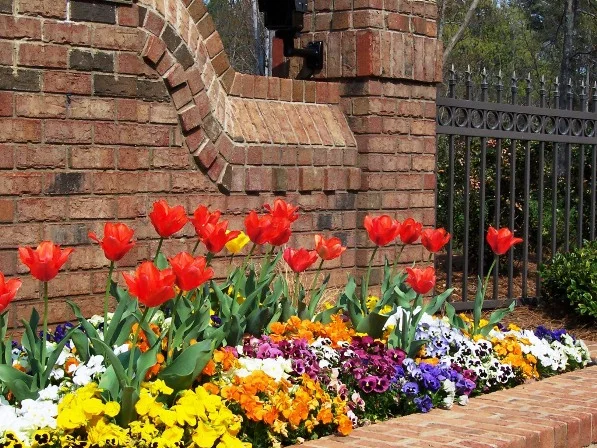
- Tulips: Available in nearly every color imaginable, tulips offer bright pops of red, pink, purple, or yellow. Plant early, mid-, and late-season varieties for blooms that last for weeks.
- Daffodils (Narcissus): Cheerful and low-maintenance, daffodils multiply over time and deter pests like deer and squirrels.
- Hyacinths: Known for their intoxicating fragrance and dense flower spikes, hyacinths add both color and scent to spring gardens.
- Crocuses: Among the earliest bloomers, crocuses peek through the snow with delicate purple, white, or yellow petals.
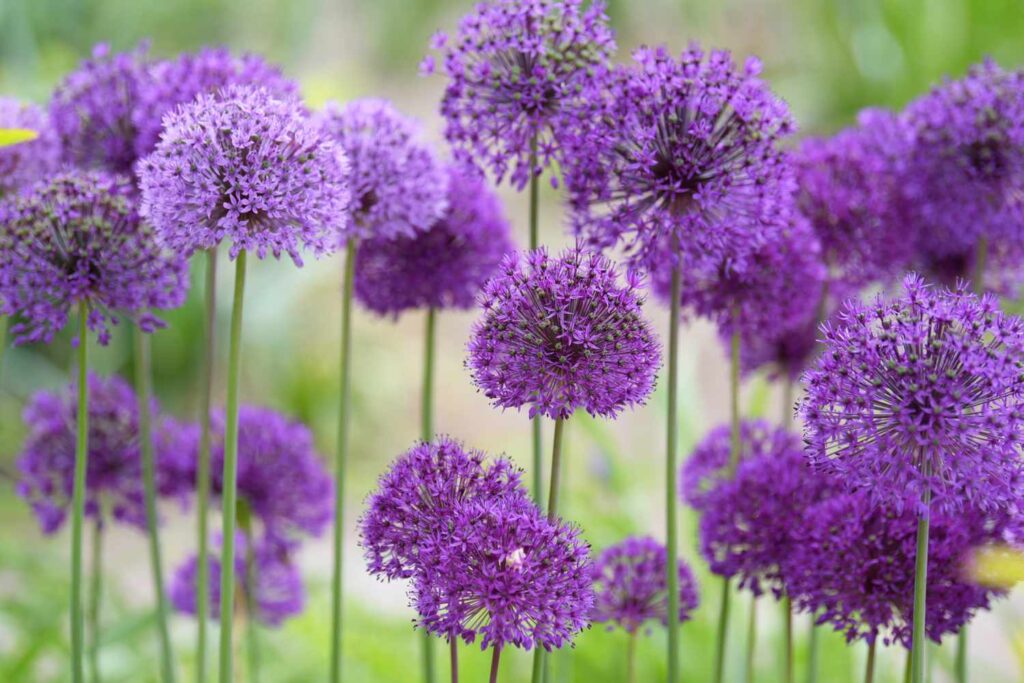
- Alliums: These ornamental onions create stunning globe-shaped blooms that add height and drama to spring beds.
Pro tip:
Plant bulbs in groups or clusters for a naturalized look—masses of color are much more eye-catching than evenly spaced single bulbs.
2. Plant Cool-Season Annuals
If you want instant color now and continued beauty into early spring, cool-season annuals are your best friends. These hardy plants thrive in chilly weather and bloom before the heat of summer returns.
Great cool-season annuals to plant in fall:
- Pansies and Violas: Cold-tolerant and endlessly cheerful, these flowers can survive mild frosts and bloom again in spring.
- Snapdragons: Add vertical interest and come in a wide range of pastel or jewel tones.
- Calendulas (Pot Marigolds): Their sunny orange and yellow flowers bring warmth to cool days.
- Sweet Alyssum: A fragrant groundcover that spills over borders with clouds of white or purple blooms.
- Dusty Miller: Silvery foliage provides a stunning contrast to colorful blooms and holds up beautifully through winter.
Plant these now in containers, window boxes, or borders to keep your garden lively as temperatures drop.
3. Add Hardy Perennials for Lasting Color
Perennials planted in fall have the advantage of establishing strong roots before winter dormancy. When spring arrives, they’ll be ready to burst into growth and bloom early, giving your garden long-lasting color year after year.
Best perennials to plant now for spring impact:
- Peonies: Their lush, fragrant flowers are a spring classic. Plant roots (tubers) now, 2 inches below the soil surface, in full sun.
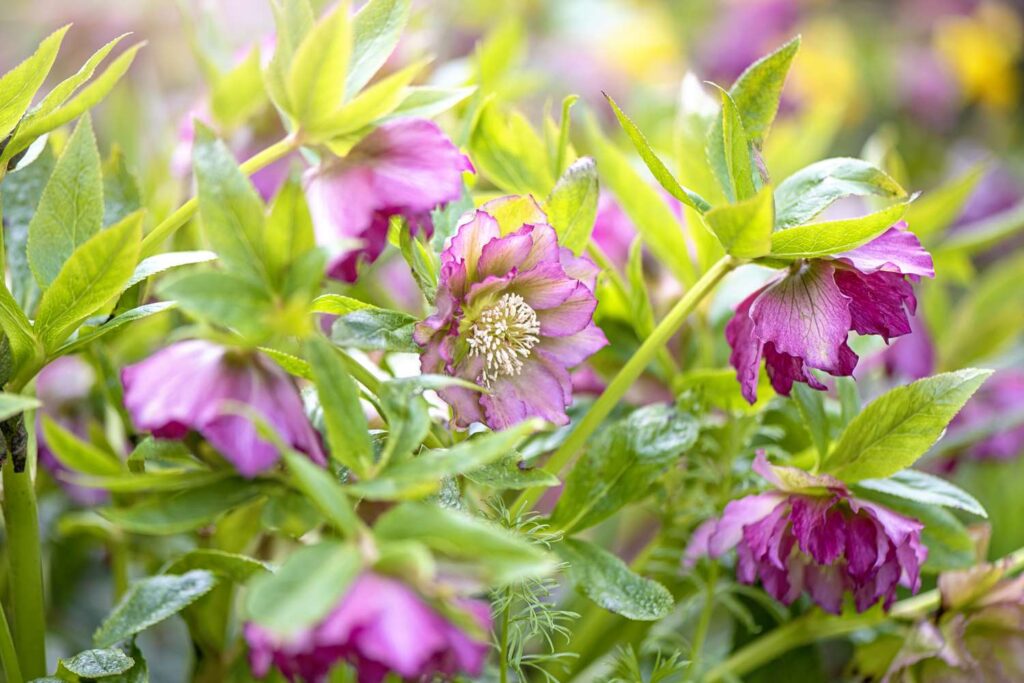
- Hellebores (Lenten Roses): These shade-loving perennials bloom as early as February, often when snow is still on the ground.
- Bleeding Hearts: Graceful arching stems and pink or white heart-shaped flowers make these a spring favorite.
- Iris: From bearded to Siberian varieties, irises add elegance with tall, dramatic blooms.
- Columbine (Aquilegia): With delicate nodding flowers in multiple colors, they attract hummingbirds and naturalize easily.
Pro tip: Mark where you plant your perennials and bulbs. In spring, you’ll know where to expect growth—and you can fill gaps with complementary annuals later.
4. Plant Flowering Shrubs for Structure and Color
While bulbs and perennials steal the spotlight, flowering shrubs provide backbone and structure to your spring garden. Fall planting gives shrubs time to develop root systems before the stress of summer heat.
Top picks for early-season blooms:
- Forsythia: One of the earliest bloomers, it bursts with bright yellow flowers that signal spring’s arrival.
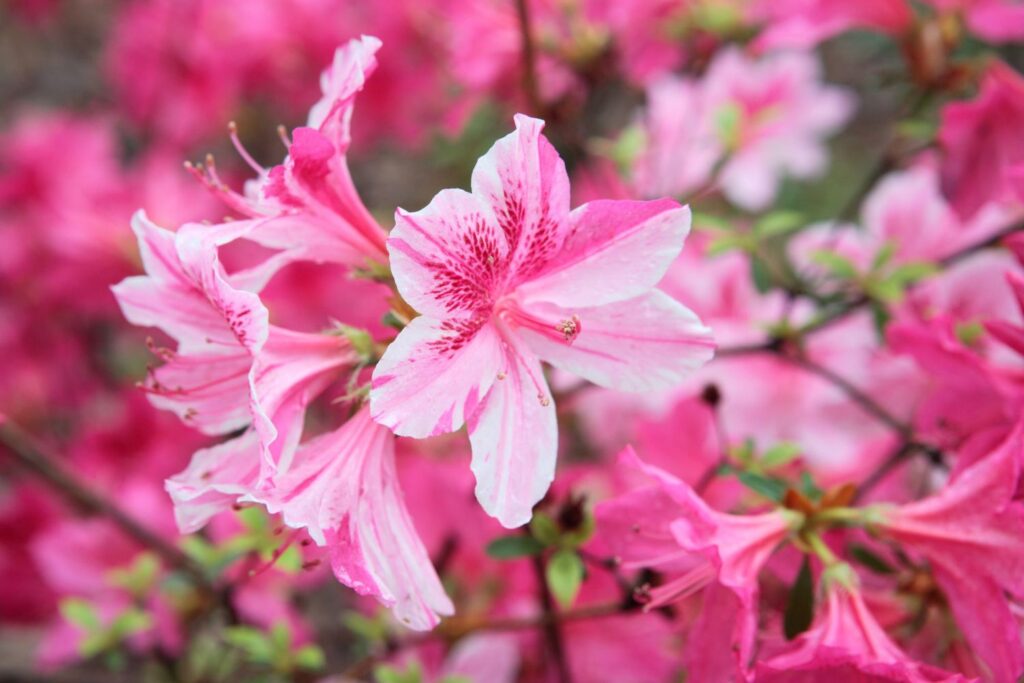
- Azaleas and Rhododendrons: These evergreen or semi-evergreen shrubs offer masses of pink, red, or purple blossoms.
- Lilacs: Renowned for their nostalgic fragrance and dense clusters of purple or white flowers.
- Spirea: Compact and reliable, spirea shrubs deliver clouds of tiny blooms in late spring.
- Magnolia (deciduous varieties): Their large, showy blossoms make a dramatic statement in early spring.
How to plant:
- Dig a hole twice as wide as the root ball but no deeper.
- Loosen roots gently before planting.
- Water deeply and mulch to retain moisture and insulate roots through winter.
5. Include Flowering Trees for Big Impact
If you’re planning for years of spring beauty, consider adding a flowering tree. These not only provide gorgeous seasonal color but also offer shade, habitat, and structure to your garden design.
Excellent options for fall planting:
- Flowering Cherry: Soft pink or white blossoms create a breathtaking spring canopy.
- Redbud: Its magenta blooms appear on bare branches before leaves emerge—stunning in early spring.
- Dogwood: Known for its large, star-shaped blooms and vibrant fall foliage.
- Crabapple: Offers clouds of flowers in spring and colorful fruit in fall for wildlife.
Fall planting allows these trees to settle in with minimal stress and be ready for vigorous growth come spring.
6. Don’t Forget About Foliage and Groundcovers
Not all spring color comes from flowers—foliage plants and groundcovers can create rich textures and tones that complement your blooms.
Consider planting:
- Hostas: For shady areas, their leaves provide lush greens and variegated patterns, followed by delicate spring flowers.
- Heuchera (Coral Bells): Offers colorful foliage in shades of bronze, purple, and lime green.
- Creeping Phlox: A carpet of pink, white, or lavender blooms that spreads beautifully across slopes or borders.
- Ajuga: Glossy leaves and blue flower spikes make it perfect for filling gaps and suppressing weeds.
These low-growing plants help unify your design while keeping soil cool and moist.
7. Prepare and Care for Your Fall Plantings
To ensure your fall plantings thrive through winter and explode with color in spring, follow these care tips:
a. Prepare the soil:
Enrich planting areas with compost or organic matter to improve drainage and fertility. Avoid synthetic fertilizers that encourage new growth late in the season.
b. Water wisely:
Newly planted bulbs and perennials need consistent moisture until the ground freezes. Water deeply once or twice a week if rainfall is scarce.
c. Mulch generously:
Apply a 2–3 inch layer of mulch after the ground cools to protect roots from temperature fluctuations. Avoid covering bulb tops directly.
d. Mark your plantings:
Use garden markers or small stakes to remember bulb and perennial locations—especially helpful when planning spring garden designs.
e. Protect from pests:
Squirrels love digging up bulbs! Sprinkle a mix of crushed eggshells or use wire mesh over freshly planted areas to deter them.
8. Plan for Continuous Bloom
The secret to a truly stunning spring garden is succession planting—choosing plants that bloom in stages from early to late spring.
Here’s an example timeline:
- Early spring (March–April): Crocuses, hellebores, daffodils, forsythia.
- Mid-spring (April–May): Tulips, hyacinths, bleeding hearts, azaleas.
- Late spring (May–June): Irises, peonies, lilacs, columbines.
By mixing early-, mid-, and late-blooming varieties, your garden will stay colorful for months instead of just weeks.
Final Thoughts
Fall planting is the gardener’s secret to effortless spring beauty. While others are putting away their tools for the season, you’ll be setting the stage for an unforgettable garden bursting with life and color when winter melts away.
Whether you plant cheerful daffodils, fragrant lilacs, or showy tulips, every bulb, shrub, and perennial you tuck into the ground this fall is an investment in joy. So grab your gloves, enjoy the crisp autumn air, and start planting now—the reward will be a breathtaking, colorful spring garden that feels like a celebration of life itself.