As the vibrant greens of summer fade and cooler weather sets in, your hedges may start to look a little unruly. Fall often tempts gardeners to grab their shears and tidy things up before the snow arrives. But when it comes to trimming hedges before winter, timing is everything. Pruning too early or too late can leave plants vulnerable to frost damage, disease, or stunted spring growth.
So, when exactly is the best time to trim your hedges before winter? Let’s explore the science behind proper timing, the right techniques to use, and how to keep your hedges healthy and attractive all season long.
Why Timing Matters for Fall Hedge Trimming
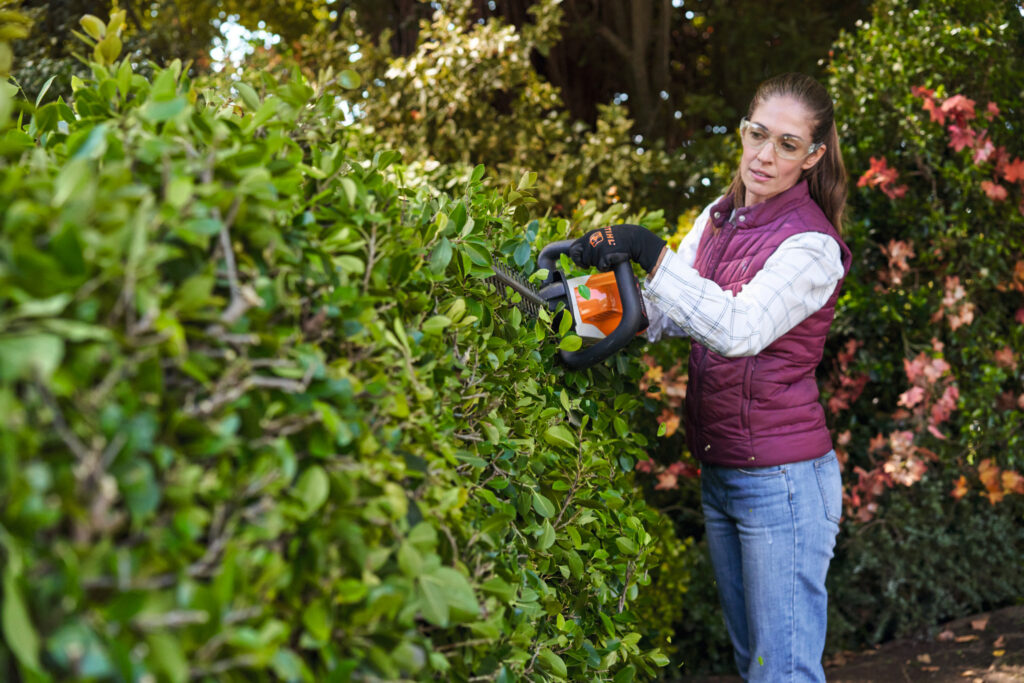
Pruning stimulates new growth. If you trim your hedges too late in the season, that fresh, tender growth won’t have enough time to harden off before freezing temperatures arrive. The result? Frost can damage the new shoots, leaving brown tips and weakening the overall structure of the plant.
On the other hand, waiting too long to trim can make hedges more prone to snow and ice damage. Overgrown branches catch and hold heavy snow, which can bend or even break stems.
The key is balance: you want to shape and tidy your hedges while giving any new growth time to mature before the first hard frost.
The Ideal Timeframe for Trimming
The best time to trim hedges before winter depends on your climate and the type of hedge you’re growing. As a general rule:

- Early to mid-fall (usually late September to mid-October) is ideal in most regions.
- Aim to trim at least 4–6 weeks before the first expected frost in your area.
- This allows the plants to heal and the new growth to harden before freezing weather sets in.
If you live in a milder climate, you can prune a little later, but those in colder regions should complete hedge trimming earlier to avoid cold shock.
Pro tip: Use local frost calendars or weather data to determine your area’s average first frost date and count backward about a month and a half to plan your trimming schedule.
Know Your Hedge Type

Different hedge species respond differently to fall pruning. Understanding your hedge type ensures you don’t accidentally harm it during the pre-winter trim.
Evergreen hedges (like boxwood, yew, or holly):
These are best trimmed lightly in early fall. Avoid heavy pruning before winter, as evergreens are slow to recover and can suffer from desiccation (drying out) when exposed to cold winds.
Deciduous hedges (like privet, beech, or hornbeam):
These can handle a more substantial trim in early to mid-fall, after their active growth period ends but before leaves fully drop.
Flowering shrubs (like lilac, forsythia, or hydrangea):
Timing depends on whether they bloom on new or old wood. For most fall-blooming varieties, it’s better to wait until after flowering is complete before trimming lightly.

Fast-growing hedges:
These may require a second light shaping in early fall to control growth and maintain form before dormancy.
How to Trim Hedges the Right Way Before Winter
Proper technique matters just as much as timing. Over-pruning or using dull tools can stress your plants and make them more vulnerable to winter damage.
Here’s how to do it safely and effectively:
1. Inspect the Hedge
Look for damaged, diseased, or crossing branches first. Removing these improves airflow and prevents pests from overwintering in the hedge.
2. Use Sharp, Clean Tools
Sharp hedge shears, loppers, or an electric trimmer make clean cuts that heal faster. Disinfect tools before and after trimming to avoid spreading fungal spores or disease.
3. Shape from the Bottom Up
Keep the base of the hedge slightly wider than the top—this “pyramid” shape allows sunlight to reach lower branches, maintaining fullness from top to bottom.

4. Trim Lightly
Remove no more than one-third of the hedge’s growth in a single session. Cutting too deeply before winter can leave plants exposed and reduce their energy reserves for spring growth.
5. Rake and Clean Up
Remove all clippings from around the hedge’s base. Decaying debris can harbor pests or disease during the wet winter months.
Avoid These Common Mistakes

Even seasoned gardeners sometimes make pruning errors in fall. Here are a few key ones to steer clear of:
- Trimming too late: Late-season pruning encourages tender growth that will freeze and die back.
- Over-pruning: Cutting too much can stress plants and delay spring recovery.
- Ignoring weather conditions: Avoid trimming just before a cold snap or heavy rain. Damp conditions make plants susceptible to rot and fungal infections.
- Leaving uneven cuts: Rough, jagged cuts invite disease and pests. Always use sharp blades for a smooth finish.
- Skipping cleanup: Fallen leaves and trimmings left at the base of hedges can promote mold and decay.
Post-Trimming Care Tips
Once your hedges are neatly trimmed, it’s time to give them a little extra care before winter sets in.
1. Water Deeply:
Even though fall is cooler, plants still need moisture to survive the winter. Give hedges a thorough watering after trimming to help them recover.
2. Mulch the Base:
Spread a 2–3 inch layer of organic mulch (like shredded bark or compost) around the base to insulate roots and conserve moisture. Keep mulch a few inches away from the trunk to prevent rot.

3. Protect from Winter Wind:
In exposed areas, wrap sensitive evergreens in burlap or install windbreaks. This helps prevent winter burn and moisture loss.
4. Fertilize Lightly (If Needed):
Avoid heavy nitrogen fertilizers in fall, as they promote new growth that won’t survive frost. Instead, opt for a slow-release, balanced fertilizer to strengthen roots.
When to Skip Fall Trimming
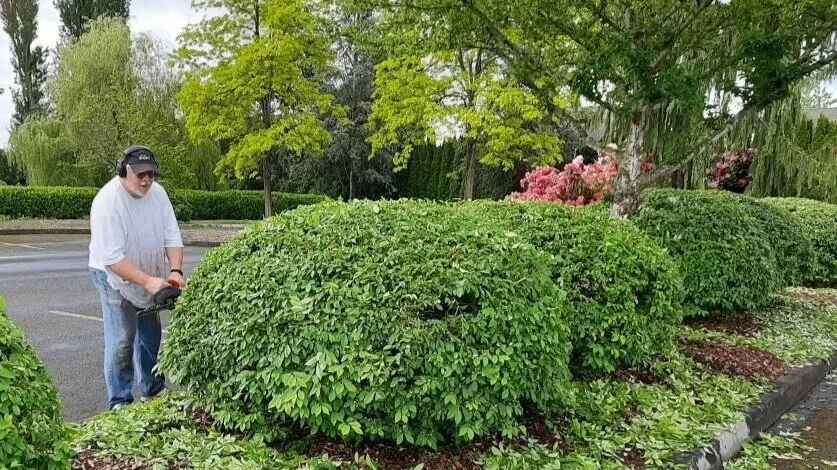
In some cases, it’s best to delay trimming until late winter or early spring, particularly if your hedge is sensitive or has already started to go dormant. Pruning dormant plants is less stressful and reduces the risk of frost damage.
Skip fall trimming if:
- Your hedge is newly planted (less than one year old).
- You’ve already had frost in your area.
- The hedge appears weak, diseased, or drought-stressed.
In these cases, let the hedge rest until the dormant season before making any significant cuts.
A Smart Seasonal Routine
To maintain healthy, well-shaped hedges year-round, follow this general routine:
- Late winter/early spring: Major pruning before new growth starts.
- Summer: Light touch-ups to shape fast-growing species.
- Early fall: Final tidy-up 4–6 weeks before frost.
This cycle helps hedges stay dense, healthy, and resilient through all seasons.
Final Thoughts
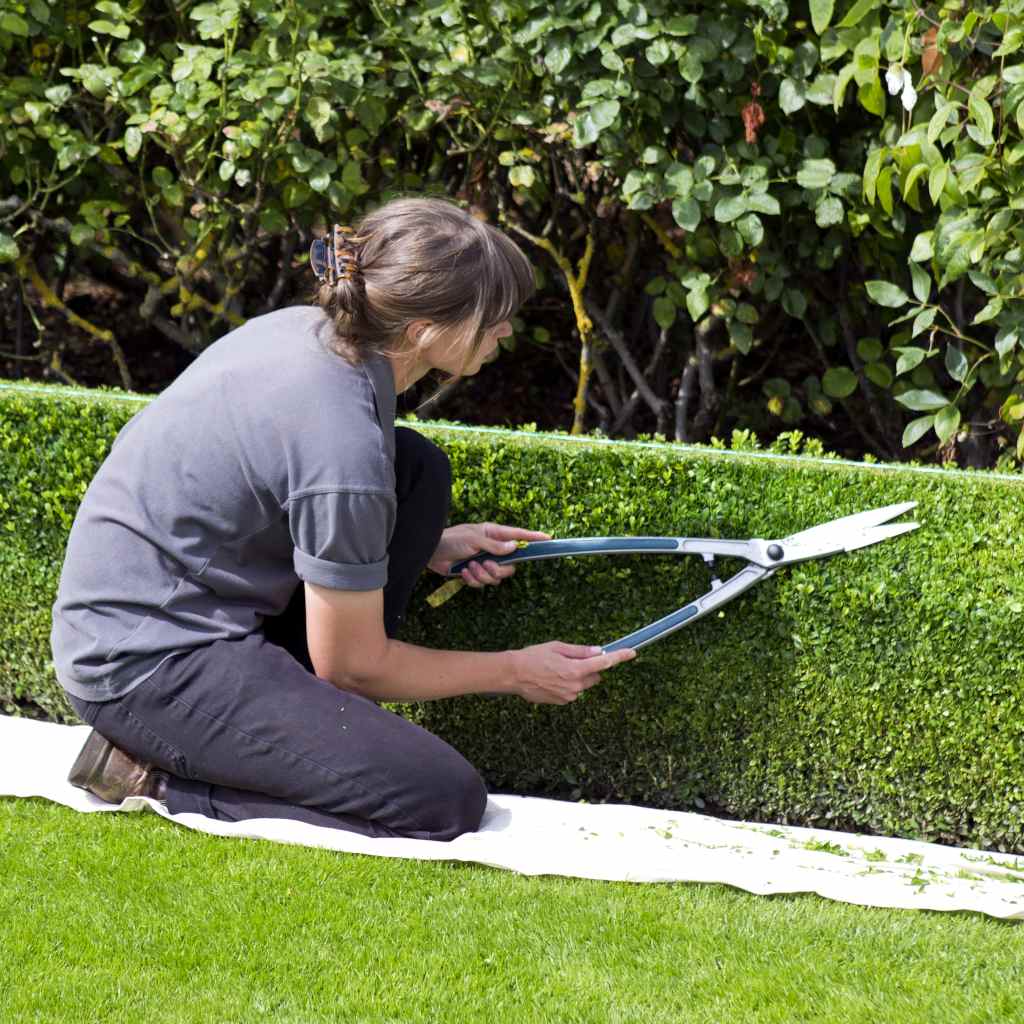
Trimming hedges before winter is less about hard pruning and more about thoughtful preparation. The goal is to keep them neat and protected—not to push new growth. By trimming at the right time—early to mid-fall, well before frost—and following proper techniques, you’ll set your hedges up for a strong, lush return in spring.
Remember: A little restraint now leads to healthier, fuller, and more beautiful hedges later. Take the time to trim wisely, and your garden will thank you when the snow melts and the first signs of green return.