Gardeners know the joy of seeing healthy plants thrive—but nothing ruins that faster than discovering chewed leaves, wilting stems, or a cloud of pests hovering around your crops. While chemical pesticides might seem like a quick fix, they can harm beneficial insects, pollinators, soil health, and even the gardener. That’s why more homeowners and gardeners are turning to organic pest control methods.
Organic pest control doesn’t mean letting pests run wild—it means using natural strategies to restore balance, reduce harm, and create a thriving garden ecosystem. Below are nine proven tips for organic pest control that really work.
1. Start With Healthy Soil
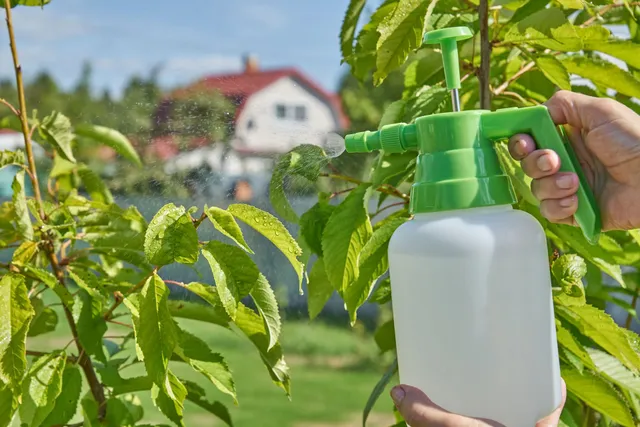
Healthy plants are naturally more resistant to pests. Soil rich in nutrients and organic matter produces stronger, less vulnerable plants.
How to build healthy soil:
- Add compost regularly to improve fertility and microbial life.
- Rotate crops yearly to avoid soil-borne pest buildup.
- Use mulch to regulate temperature, conserve moisture, and suppress weeds.
- Test soil every couple of years to maintain the right pH and nutrient balance.
Healthy soil fosters vigorous plants, making them less attractive targets for pests.
2. Attract Beneficial Insects
Not all bugs are bad—many are nature’s best pest control. Ladybugs, lacewings, ground beetles, and parasitic wasps feast on aphids, mites, caterpillars, and other destructive pests.

Ways to attract beneficial insects:
- Plant nectar-rich flowers like marigolds, dill, yarrow, and alyssum.
- Provide habitats with shrubs, hedgerows, or insect hotels.
- Avoid broad-spectrum insecticides that harm both pests and beneficials.
By encouraging the “good guys,” you can naturally reduce populations of harmful pests.
3. Practice Crop Rotation and Diversity
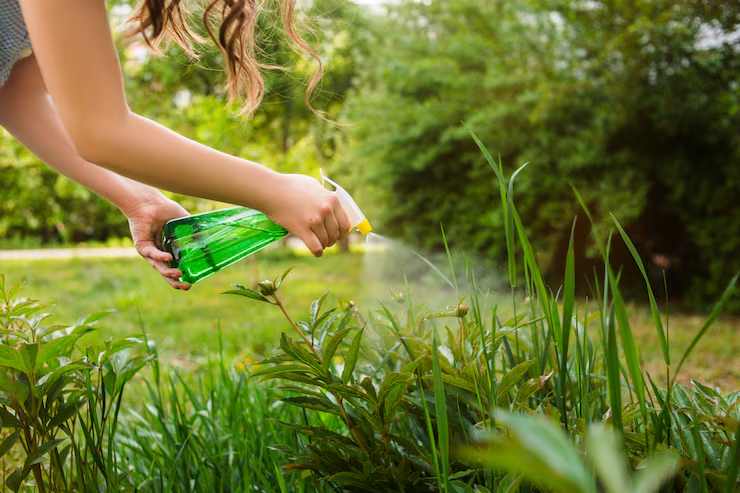
Monoculture—growing the same crop in the same spot every year—creates a perfect breeding ground for pests. Rotating crops disrupts pest life cycles and reduces infestations.
Rotation strategies:
- Rotate plant families (e.g., tomatoes, peppers, and eggplants are all in the nightshade family, so avoid planting them in the same spot year after year).
- Introduce companion planting to mix crops and confuse pests. For example, basil repels tomato hornworms when planted with tomatoes.
- Use intercropping—growing different plants close together—to deter pests and improve biodiversity.
Diversity is nature’s defense system against outbreaks.
4. Use Physical Barriers
Sometimes the simplest solution is to block pests from reaching your plants altogether.

Examples of physical barriers:
- Row covers: Lightweight fabric that shields plants from insects while allowing sun and water in.
- Netting: Protects fruit trees and berry bushes from birds and larger pests.
- Collars: Placing cardboard or plastic collars around seedlings prevents cutworms and slugs from attacking stems.
These barriers are reusable, affordable, and effective, especially for vulnerable young plants.
5. Hand-Pick and Monitor Regularly
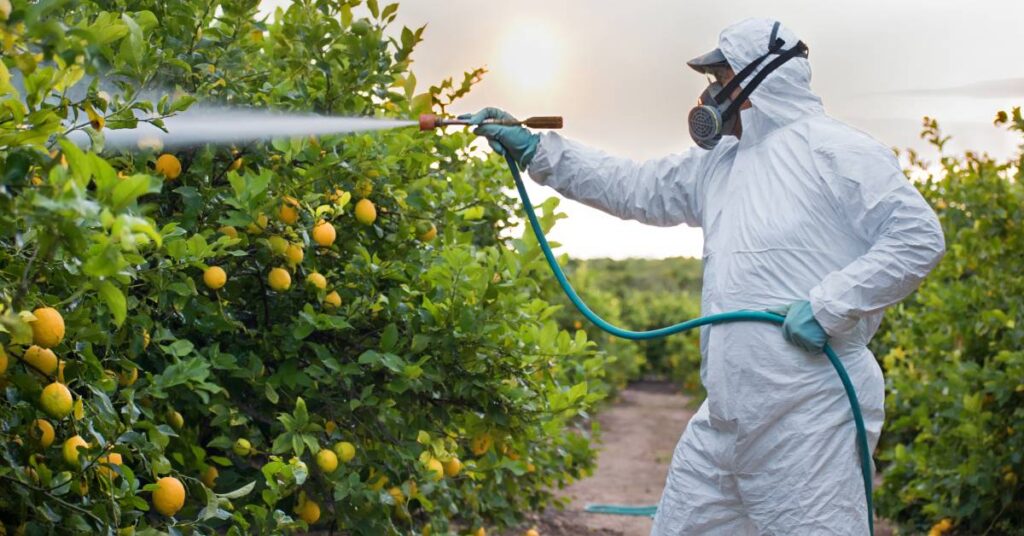
Organic gardening often requires a hands-on approach. By regularly inspecting plants, you can spot early signs of infestation and take immediate action.
Practical tips:
- Check the underside of leaves where pests like to hide.
- Remove egg clusters, caterpillars, and beetles by hand.
- Drop collected pests into a bucket of soapy water to dispose of them.
- Keep a garden journal to track recurring problems.
Early intervention prevents small problems from becoming large infestations.
6. Introduce Natural Predators and Biological Controls
Biological pest control uses living organisms to reduce pest populations. These methods are natural, safe, and highly effective when applied correctly.

Examples of biological controls:
- Nematodes: Microscopic worms that target soil-dwelling pests like grubs and cutworms.
- Bacillus thuringiensis (Bt): A naturally occurring bacterium that kills caterpillars without harming other wildlife.
- Predatory mites: Feed on destructive spider mites in greenhouses and gardens.
Biological controls work best when tailored to specific pests and applied under the right conditions.
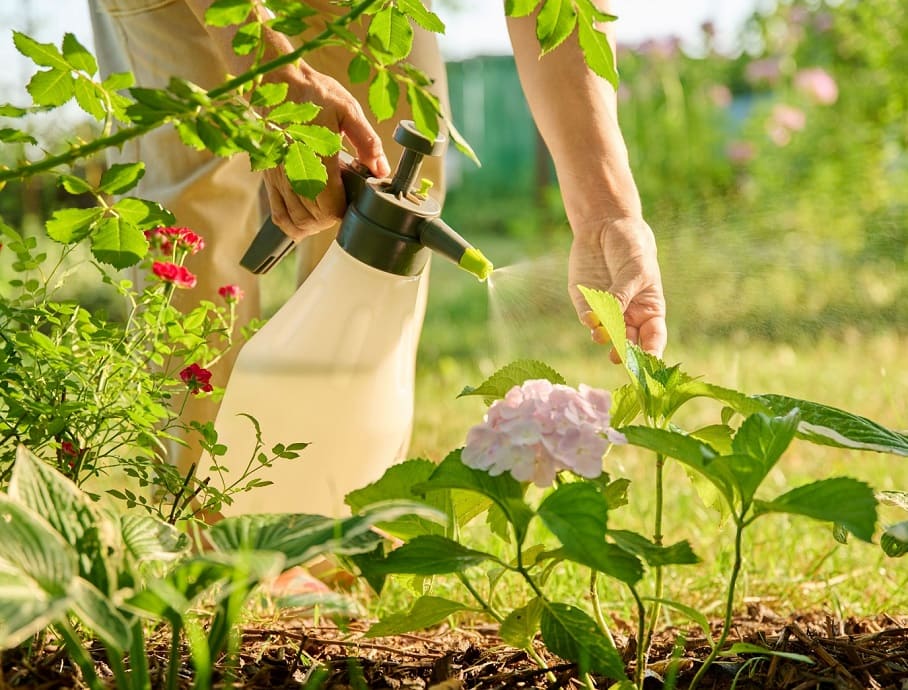
7. Use Organic Sprays and Solutions
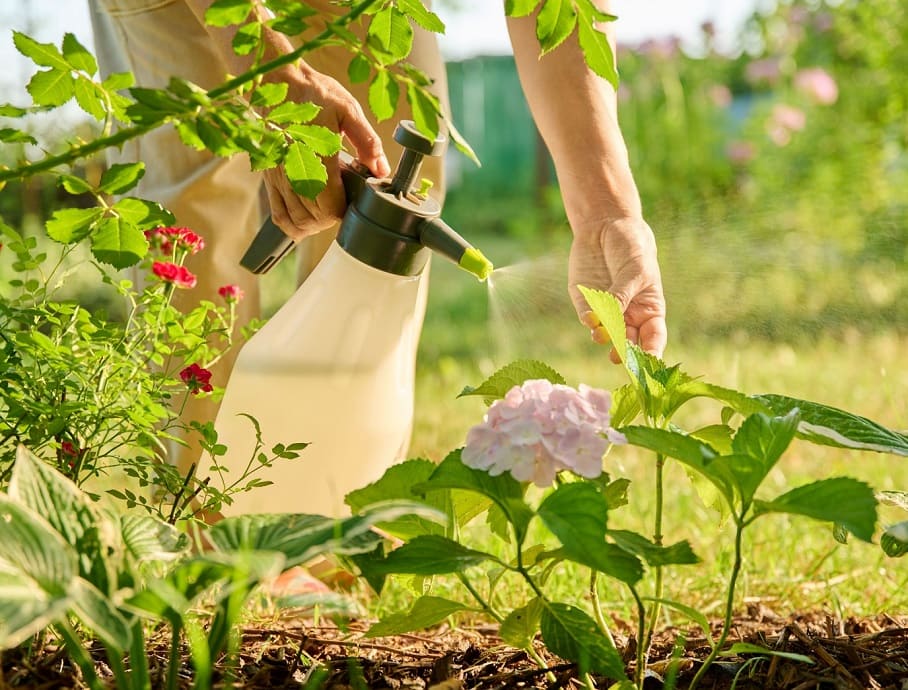
While avoiding harsh chemicals is key, organic sprays can be effective when infestations become too much to manage.
Common organic sprays:
- Neem oil: A natural insecticide and fungicide that disrupts pests’ feeding and reproduction.
- Insecticidal soap: Breaks down soft-bodied pests like aphids, mealybugs, and whiteflies.
- Garlic or chili spray: Acts as a natural repellent.
- Horticultural oils: Smother insects and their eggs.
Always test sprays on a small section of plants first and apply in the evening to avoid harming pollinators.
8. Encourage Birds, Frogs, and Other Allies
Many animals are natural pest controllers. By making your garden wildlife-friendly, you can recruit free helpers.
Encouraging natural allies:
- Install birdhouses to attract insect-eating birds like wrens and chickadees.
- Add a small pond or water source to encourage frogs and toads.
- Provide shelter, such as log piles or rock piles, where natural predators can live.
These creatures consume vast numbers of pests daily, often more effectively than sprays.
9. Be Patient and Consistent
Organic pest control is about balance, not eradication. Expect to see some pests—it’s part of a healthy ecosystem. The goal is to keep populations under control without disrupting the entire environment.
Mindset tips:
- Don’t panic at the first sight of pests—monitor before acting.
- Combine multiple strategies for best results.
- Be consistent: prevention and maintenance are just as important as treatment.
Over time, your garden will find its equilibrium, with beneficial insects and natural predators keeping pests in check.
Final Thoughts
Organic pest control is not about fighting nature—it’s about working with it. By focusing on prevention, biodiversity, and natural remedies, you can manage pests without relying on harmful chemicals.
These nine tips—healthy soil, beneficial insects, crop rotation, barriers, hand-picking, biological controls, organic sprays, natural allies, and patience—create a holistic system that supports your plants, pollinators, and the broader environment.
The result? A thriving garden that’s not only pest-resistant but also more sustainable, healthier, and enjoyable to maintain.