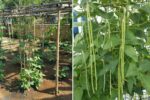
Every gardener dreams of a thriving, healthy garden without the constant battle against destructive pests. While pesticides may seem like a quick fix, they often harm beneficial insects, pollinators, and even soil health. The good news is that nature already has built-in solutions—a network of predators that feast on common garden pests and keep populations under control.
By encouraging these natural predators into your yard, you can create a balanced ecosystem where harmful insects are kept in check, reducing the need for chemicals. Here are six of the most effective natural pest fighters you’ll want to welcome into your garden.
1. Ladybugs (Lady Beetles)
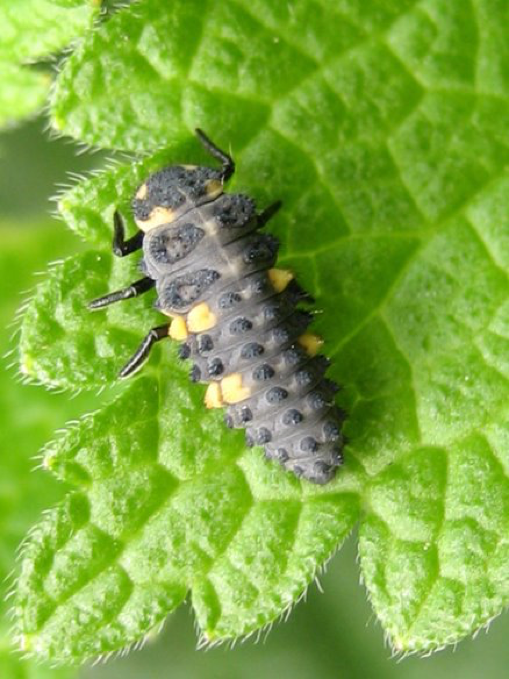
What they eat: Aphids, mites, mealybugs, scale insects.
Ladybugs aren’t just cute; they’re voracious predators. A single ladybug can consume up to 50 aphids a day, making them one of the best natural pest controls around.
How to attract them:

- Plant nectar-rich flowers like dill, fennel, and yarrow.
- Avoid broad-spectrum insecticides.
- Provide shallow water sources like damp sponges or shallow dishes with pebbles.
Pro tip: You can even buy live ladybugs online and release them into your garden at dusk for maximum effectiveness.
2. Praying Mantises
What they eat: Caterpillars, beetles, crickets, grasshoppers, and even larger pests like moths.
Praying mantises are skilled hunters with excellent camouflage and lightning-fast reflexes. While they’ll eat just about any insect (sometimes even beneficial ones), they’re extremely effective at keeping destructive pest numbers down.
How to attract them:
- Plant shrubs and tall grasses where they can perch.
- Provide a diverse plant environment for cover.
- Place mantis egg cases (available for purchase) in the garden in early spring.
3. Lacewings
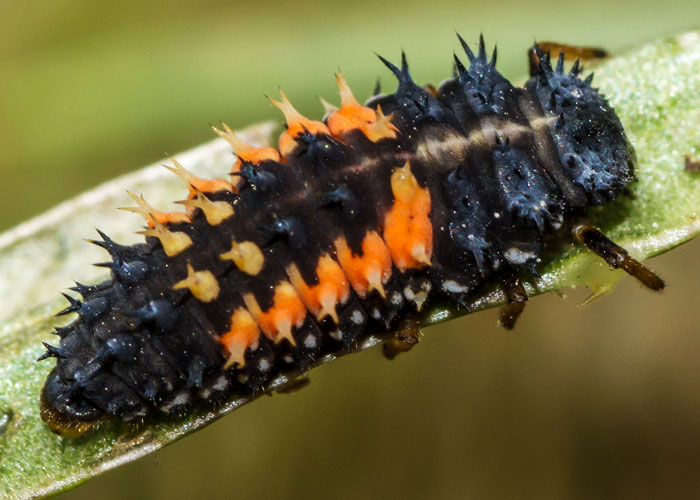
What they eat: Aphids, thrips, spider mites, whiteflies, and insect eggs.

The green lacewing larvae—often called “aphid lions”—are some of the most efficient natural pest predators. They attack soft-bodied insects and can wipe out large aphid colonies quickly.
How to attract them:
- Grow cosmos, dandelions, and dill, which provide nectar for adult lacewings.
- Avoid bright outdoor lights that confuse them at night.
- Provide small shelter areas like hedges or tall grasses.
4. Birds
What they eat: Caterpillars, beetles, grubs, snails, and grasshoppers.
Many common backyard birds—such as chickadees, wrens, bluebirds, and robins—are excellent pest controllers. Birds not only eat adult insects but also help reduce larvae and pupae in the soil.
How to attract them:

- Hang bird feeders and provide fresh water in a birdbath.
- Plant native shrubs and trees that produce berries.
- Avoid pesticides, which can poison their food sources.
Pro tip: Nesting boxes are a great way to encourage insect-eating bird species to stay nearby year-round.
5. Frogs and Toads
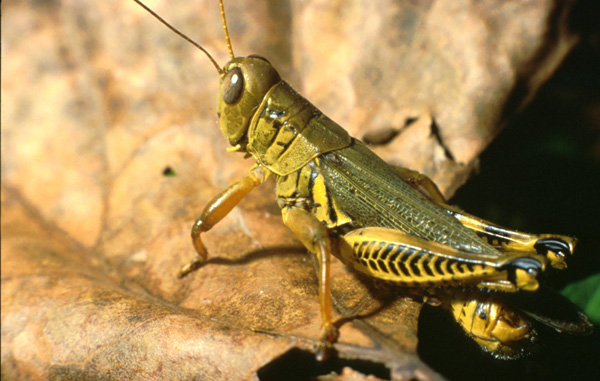
What they eat: Slugs, snails, beetles, mosquitoes, cutworms, and ants.
Amphibians like frogs and toads can be an incredible asset to the garden. A single toad can eat over 100 insects in one night. They especially help reduce slug and snail damage in vegetable gardens.
How to attract them:
- Provide shallow water features or small ponds.
- Create moist, shady hiding spots with rocks or logs.
- Avoid using chemical slug pellets, which can poison them.
6. Ground Beetles
What they eat: Caterpillars, cutworms, slugs, root maggots, and soil-dwelling larvae.

These shiny, dark-colored beetles are often overlooked, but they’re hardworking predators that live in the soil and patrol the ground at night. Both adults and larvae hunt pests that damage roots and leaves.
How to attract them:
- Leave leaf litter or mulch as cover.
- Plant perennial ground covers.
- Provide flat stones or logs for daytime shelter.
Tips for Supporting Natural Predators
- Ditch chemical pesticides: They kill beneficial predators as well as pests.
- Diversify plantings: A mix of flowers, shrubs, and vegetables provides food and shelter.
- Provide water sources: Even shallow dishes with pebbles can support insects and birds.
- Create habitats: Rock piles, hedges, and brush can become homes for helpful predators.
Final Thoughts
A healthy garden is not about eliminating every insect but about achieving balance. By attracting natural predators like ladybugs, lacewings, birds, and frogs, you can reduce pest problems while supporting biodiversity.
Instead of fighting against nature, let it work for you. With the right plants, habitats, and care, your garden will become a thriving ecosystem where pests are managed naturally—leaving you with stronger plants and a more sustainable outdoor space.