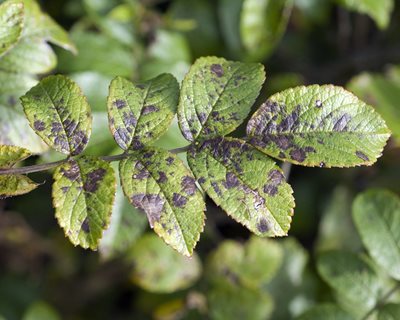
Few things are as heartbreaking for a rose gardener as seeing the glossy green leaves of their prized bushes speckled with unsightly black spots. Black spot fungus (Diplocarpon rosae) is one of the most common and destructive rose diseases worldwide. Left untreated, it causes premature defoliation, weakens plants, and reduces flowering, leaving your once-vibrant roses struggling to survive.
The good news is that with consistent care and preventative strategies, you can protect your roses and keep them thriving. Below, we’ll explore what black spot fungus is, why it’s so damaging, and five proven methods to keep it under control.
What Is Black Spot Fungus?
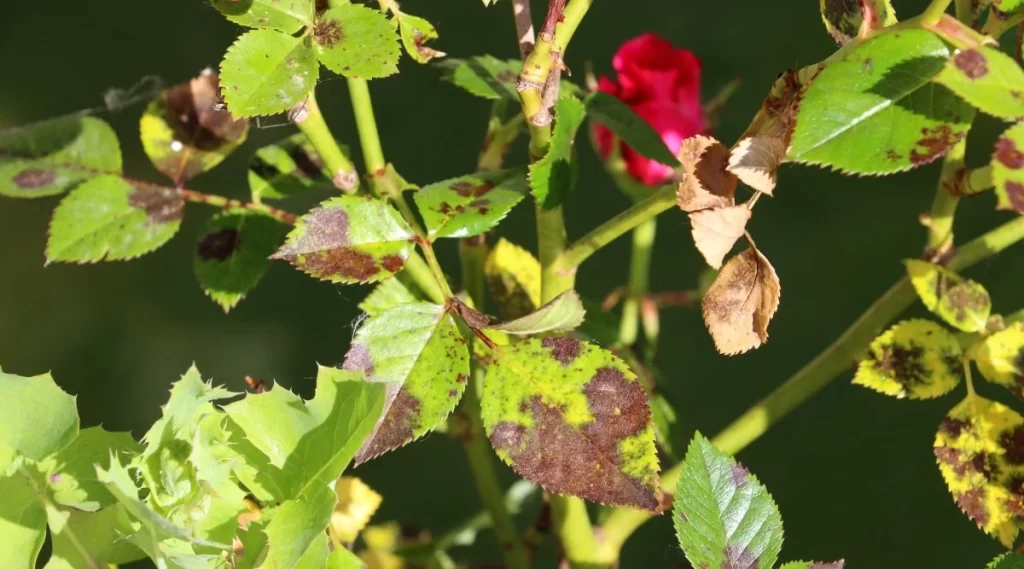
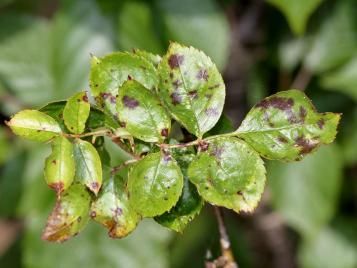
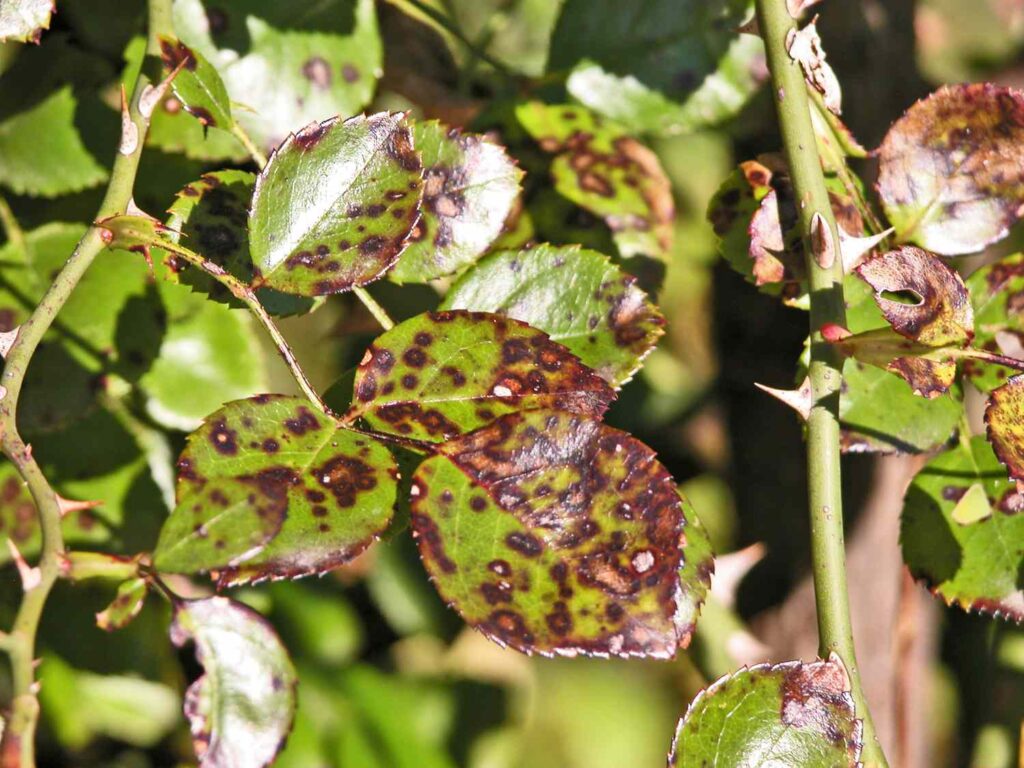
Black spot fungus is a fungal disease specific to roses. It appears as small, round black spots with feathery or irregular edges on leaves. Over time, the infected leaves may turn yellow and drop prematurely. If left unchecked, black spot weakens roses by reducing photosynthesis, leading to fewer blooms and greater vulnerability to other stressors.
Conditions that favor black spot include:
- Warm, humid weather (60–80°F is ideal for spores).
- Overhead watering, which leaves foliage wet.
- Poor air circulation around plants.
Because spores can overwinter in soil and plant debris, prevention and long-term management are essential.

1. Practice Smart Watering Habits
One of the simplest yet most effective ways to reduce black spot is by adjusting how you water your roses.
Tips for black spot prevention through watering:
- Avoid overhead watering: Spraying leaves creates a damp environment perfect for fungal growth. Instead, use soaker hoses or drip irrigation to water at the base.
- Water in the morning: If foliage does get wet, early watering gives leaves time to dry during the day, reducing fungal activity.
- Check soil moisture before watering: Overwatering not only weakens roses but also creates an environment that fungi thrive in.
By keeping foliage dry and soil evenly moist, you reduce one of the fungus’s main opportunities to spread.
2. Improve Air Circulation and Spacing
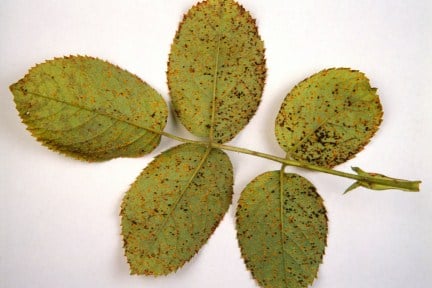
Crowded roses or poorly ventilated beds are prime targets for black spot. Fungus spores spread through splashing water and air currents, but they need lingering moisture to germinate. Increasing airflow helps leaves dry faster and lowers humidity.
How to improve airflow around roses:

- Space plants properly: Leave at least 2–3 feet between rose bushes.
- Prune wisely: Remove inward-facing or crossing branches to open the center of the plant.
- Avoid overcrowding with companion plants: While underplanting can be attractive, too many surrounding plants can trap moisture.
Roses with good circulation not only resist black spot better but also produce more abundant blooms.
3. Maintain Good Garden Hygiene
Since black spot spores can overwinter in fallen leaves and stems, garden cleanliness plays a huge role in preventing reinfection year after year.
Hygiene practices that help:
- Remove infected leaves immediately: Snip and dispose of them in the trash, not the compost pile.
- Rake and clear fallen leaves regularly: Especially in autumn when spores prepare to overwinter.
- Disinfect pruning tools: Wipe blades with rubbing alcohol or a 10% bleach solution to avoid spreading spores between plants.
This habit may seem small, but it significantly reduces the spore load in your garden, giving roses a fresh start each season.
4. Apply Preventative Sprays
For gardeners in humid climates or those with roses particularly prone to black spot, preventative spraying is a powerful tool. Both organic and chemical options exist, and many can be applied regularly as a protective shield.

Organic sprays:
- Neem oil: Works as a fungicide and insect repellent, safe for beneficial insects if applied correctly.
- Horticultural oil: Creates a protective coating that blocks fungal spores from penetrating leaves.
- Homemade baking soda spray: A mix of 1 tablespoon baking soda, 1 teaspoon horticultural oil, and 1 gallon of water alters leaf pH, making it less hospitable to fungi.
Chemical fungicides:
- Products containing chlorothalonil, myclobutanil, or triforine are effective against black spot.
- Rotate fungicides periodically to prevent fungal resistance.
- Apply every 7–14 days during peak season, especially after rain.
Always follow label instructions, especially when using chemicals, to avoid damaging plants or beneficial wildlife.
5. Choose Resistant Rose Varieties and Strengthen Plants
Perhaps the most long-term solution is planting roses bred for resistance. While no rose is completely immune, many modern cultivars have been developed to tolerate or resist black spot.
Resistant rose varieties include:

- Knock Out® Roses
- Carefree Beauty
- Home Run® Roses
- Bonica
- Easy Elegance® Roses
In addition to choosing resistant varieties, strengthen your roses so they can better withstand disease:
- Fertilize wisely: Use a balanced rose fertilizer in spring and during bloom cycles. Avoid overfertilizing with nitrogen, which promotes soft, fungus-prone growth.
- Mulch well: A 2–3 inch layer of organic mulch around the base suppresses soil-borne spores and retains even moisture.
- Monitor stress: Keep an eye on pests and correct issues like drought stress quickly, since weakened plants are more susceptible.
Healthy roses are far less likely to succumb to black spot than stressed or neglected ones.
Final Thoughts
Black spot fungus is the bane of many rose gardeners, but it doesn’t have to be inevitable. By practicing smart watering, improving airflow, keeping the garden clean, applying protective sprays, and choosing resistant varieties, you can greatly reduce the risk of infection.
The key is prevention and consistency—once black spot gets a foothold, it’s hard to eliminate completely. With a proactive routine, your roses can stay lush, vibrant, and full of blooms, free from the frustrating effects of this common fungal disease.
So, the next time you admire your roses, remember: a little extra care goes a long way in keeping black spot at bay.