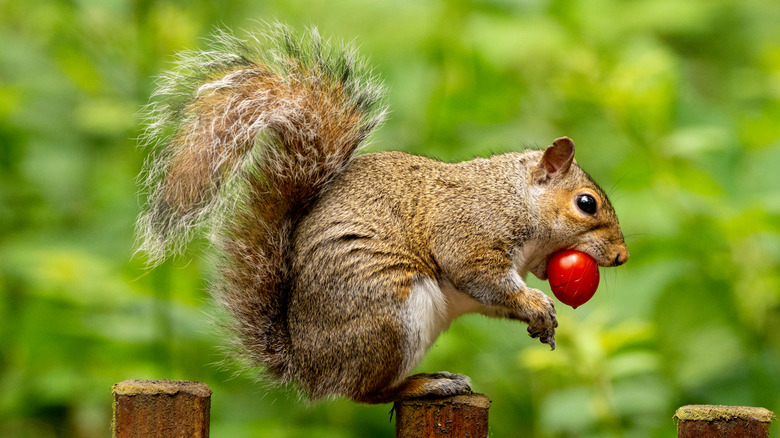
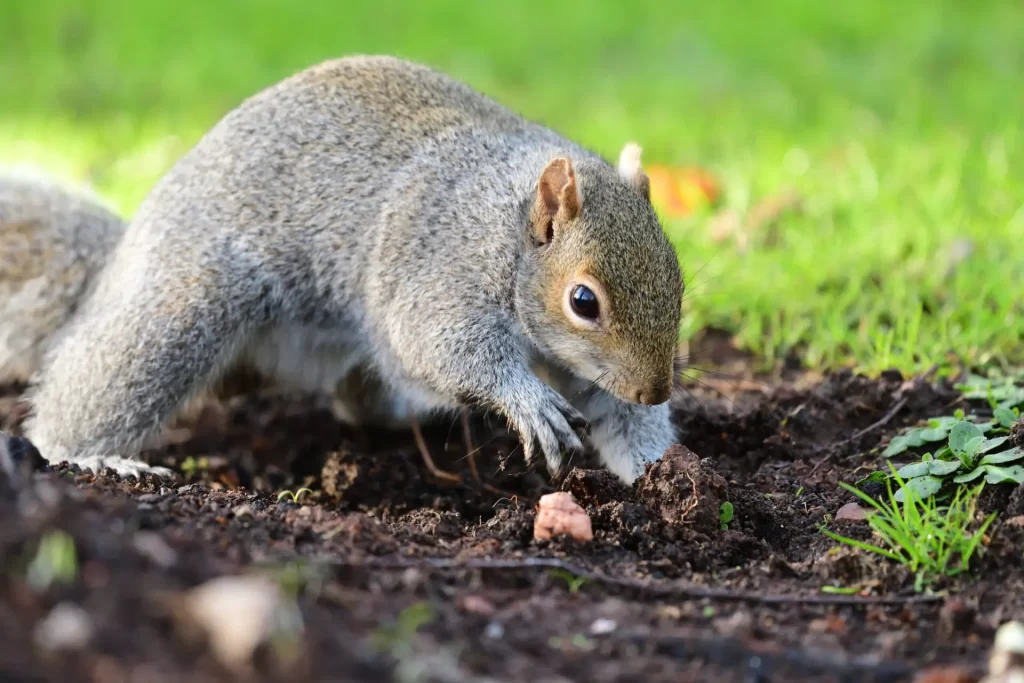
You’ve nurtured your seedlings, watered faithfully, and watched your vegetable patch come to life—only to discover nibbled tomatoes, missing strawberries, or half-eaten cucumbers. The culprit? Likely a squirrel. These clever, acrobatic animals may be cute when chasing each other across the yard, but they can wreak havoc on a garden.
Keeping squirrels out of your vegetable patch isn’t impossible, but it requires a thoughtful mix of deterrents, barriers, and garden management. Let’s explore effective, humane ways to protect your hard work and enjoy the harvest you deserve.
Why Do Squirrels Raid Vegetable Gardens?
Before you can keep squirrels away, it helps to understand what draws them in.
- Food Sources: Ripe fruits, vegetables, and seeds are irresistible to squirrels. They particularly love tomatoes, corn, squash, strawberries, and sunflower seeds.
- Water: Squirrels will chew into juicy vegetables or fruits to quench thirst during hot weather.
- Curiosity: Squirrels are naturally inquisitive and may dig simply to investigate.
- Storage Needs: In late summer and fall, squirrels gather and bury food for winter survival. Your garden provides a ready-made buffet.
Step 1: Physical Barriers (Your Best Defense)
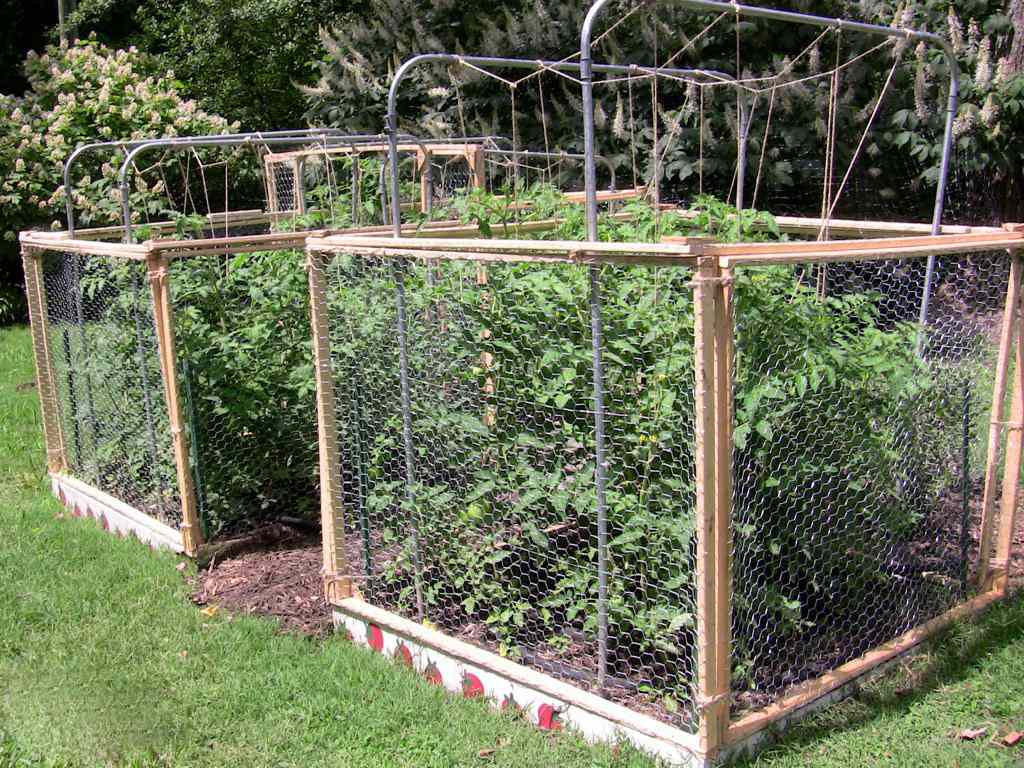
The most reliable way to protect a vegetable patch is to block access.
1. Fencing
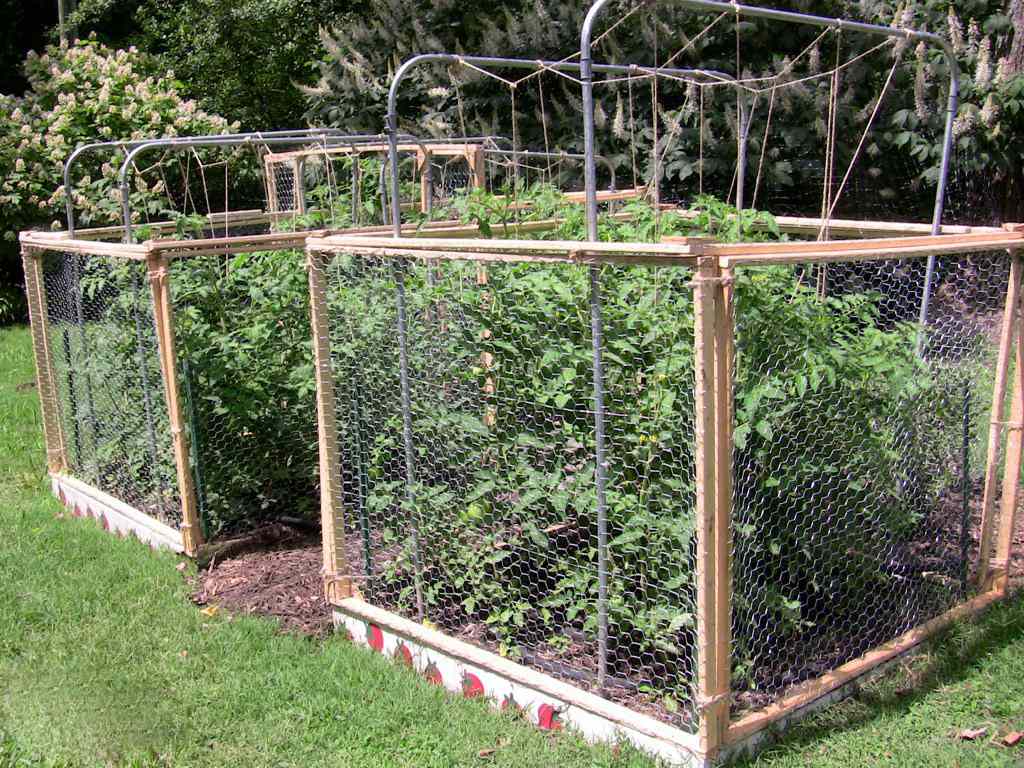
- Hardware cloth or chicken wire: Build a fence at least 2–3 feet tall with mesh no larger than ½ inch.
- Bury the base: Extend the fence 6–12 inches underground to stop squirrels from digging under.
- Top protection: For maximum security, bend the top outward or cover the entire patch with bird netting.
2. Row Covers or Netting
- Use lightweight floating row covers to shield seedlings and crops.
- Drape bird netting directly over fruiting plants like tomatoes or strawberries.
- Secure the edges tightly with clips, stakes, or heavy objects—squirrels are persistent.
3. Cages and Cloches
- Individual cages around prized plants (like a tomato cage wrapped in netting) can save specific crops.
- Wire mesh cloches work for lettuces and seedlings.
Pro Tip: Barriers may take extra effort, but they’re the most squirrel-proof solution in the long run.
Step 2: Scent and Taste Deterrents
Squirrels have a keen sense of smell, which you can use against them.
1. Natural Repellents
- Spicy sprays: Mix water with cayenne pepper, chili powder, or hot sauce and spray on leaves, soil, or fruit. Reapply after rain.
- Garlic spray: Blend garlic cloves with water, strain, and spray on plants.
- Vinegar rags: Soak cloths in apple cider vinegar and hang near the garden.
2. Commercial Repellents
Look for repellents containing capsaicin, predator urine, or bittering agents. Always check labels to ensure they are safe for edible crops.
3. Mulch with Strong Scents
Use mulch infused with cedar, pine, or eucalyptus—squirrels dislike these smells.
Note: Repellents are most effective when combined with barriers and reapplied frequently.
Step 3: Motion and Noise Distractions
Squirrels dislike sudden movement and unfamiliar sounds.
- Garden spinners and pinwheels: Reflective and moving objects can startle them.
- Shiny tape or aluminum foil strips: Hang from stakes to flutter in the wind.
- Wind chimes: The irregular noise can discourage visits.
- Sprinkler systems with motion sensors: A quick blast of water is harmless but highly effective.
Pro Tip: Rotate these deterrents frequently—squirrels are smart and will adapt if the setup never changes.
Step 4: Remove Attractants Outside the Patch
Sometimes the key to keeping squirrels out of your vegetables is making your entire yard less inviting.
- Secure bird feeders: Use squirrel-proof feeders or place them far from the garden. Spilled seed attracts unwanted visitors.
- Pick produce promptly: Harvest fruits and vegetables as soon as they ripen.
- Clean up fallen fruit: Squirrels will happily scavenge on the ground.
- Limit hiding spots: Trim back branches or shrubs that hang directly over or near your garden.
Step 5: Offer Alternatives (Decoy Feeding)
If squirrels are particularly relentless, consider giving them a distraction.
- Set up a feeding station: Place a squirrel feeder with corn or sunflower seeds on the far side of your yard. This may lure them away from the vegetable patch.
- Water source: A shallow birdbath may stop them from chewing into tomatoes for moisture.
Warning: This method can be a double-edged sword. Feeding squirrels may attract more of them to your yard, so use it only as a last resort.
Step 6: Garden Layout Tricks
Small changes in how you design your vegetable patch can make it less appealing to squirrels.
- Interplant with strong-smelling herbs: Basil, rosemary, and mint may deter nibblers.
- Use companion plants: Marigolds or garlic near vulnerable crops can repel pests.
- Elevated containers: Plant some vegetables in tall planters or raised beds with protective edges.
Step 7: Humane Trapping (Only If Necessary)
If all else fails and squirrels continue to damage your garden, live trapping is an option.
- Use humane traps: Bait with peanut butter, sunflower seeds, or corn.
- Relocate carefully: Check local wildlife laws before releasing trapped squirrels—relocation is illegal in some regions.
- Best Practice: Trapping should be a last resort after barriers and deterrents.
What Not to Do
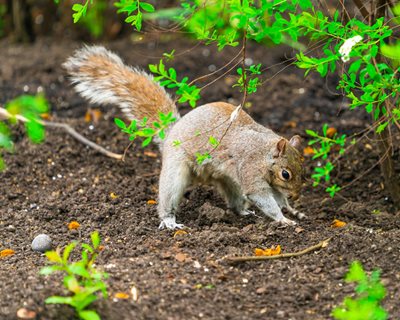
- Avoid poison or harmful traps: These methods are unsafe, inhumane, and can harm pets, children, or other wildlife.
- Don’t rely on one tactic: Squirrels are intelligent and adaptable. A combination of strategies is always more effective.
- Don’t ignore the problem: One curious squirrel can quickly become a family raid if left unchecked.
Final Thoughts
Squirrels are persistent, clever, and resourceful—but that doesn’t mean your vegetable patch has to be their personal buffet. By combining physical barriers, natural repellents, motion-based distractions, and smart gardening practices, you can protect your harvest without harming wildlife.
The key is persistence: refresh sprays, rotate deterrents, and stay vigilant. Over time, squirrels will learn your vegetable patch is more trouble than it’s worth, leaving you to enjoy the fruits (and vegetables) of your labor in peace.
With the right approach, your garden can be both wildlife-friendly and squirrel-proof—a space where you harvest crisp lettuce, juicy tomatoes, and sweet corn without furry interruptions.