Raised bed gardening has become one of the most popular methods for home gardeners—and for good reason. By lifting the soil above ground level, you gain better control over drainage, soil quality, and weed management. Raised beds also warm up faster in spring, giving you a head start on the growing season. While nearly any crop can grow in raised beds, certain vegetables absolutely thrive in these conditions.
Here are nine of the best vegetables to plant in raised beds, along with tips for getting the most out of your harvest.
1. Lettuce and Salad Greens
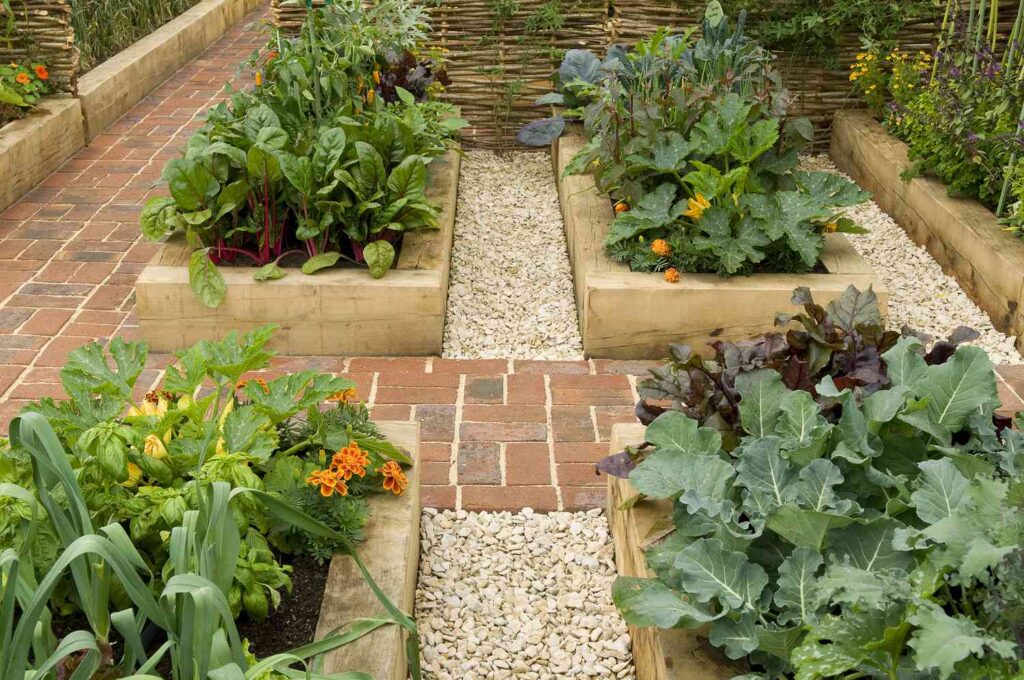
Lettuce, arugula, spinach, and other leafy greens grow especially well in raised beds.
Why They Thrive:
- Shallow roots adapt perfectly to the loose, well-drained soil.
- Raised beds allow for successive sowing, giving you multiple harvests throughout the season.
- You can easily cover beds with shade cloth or row covers to protect tender greens from pests and extreme temperatures.
Pro Tip: Sow seeds every two weeks in spring and early summer to enjoy a continuous salad supply.
2. Carrots
Carrots often struggle in heavy, compacted soils, but raised beds provide the ideal solution.

Why They Thrive:
- Deep, fluffy soil allows carrot roots to grow long and straight.
- Better drainage reduces the risk of rot.
- The controlled environment minimizes issues like forked roots caused by stones or clumps.
Pro Tip: Use a loose soil mix with plenty of compost and minimal rocks. Choose varieties like ‘Danvers’ for shorter beds or ‘Nantes’ for longer, uniform roots.
3. Tomatoes
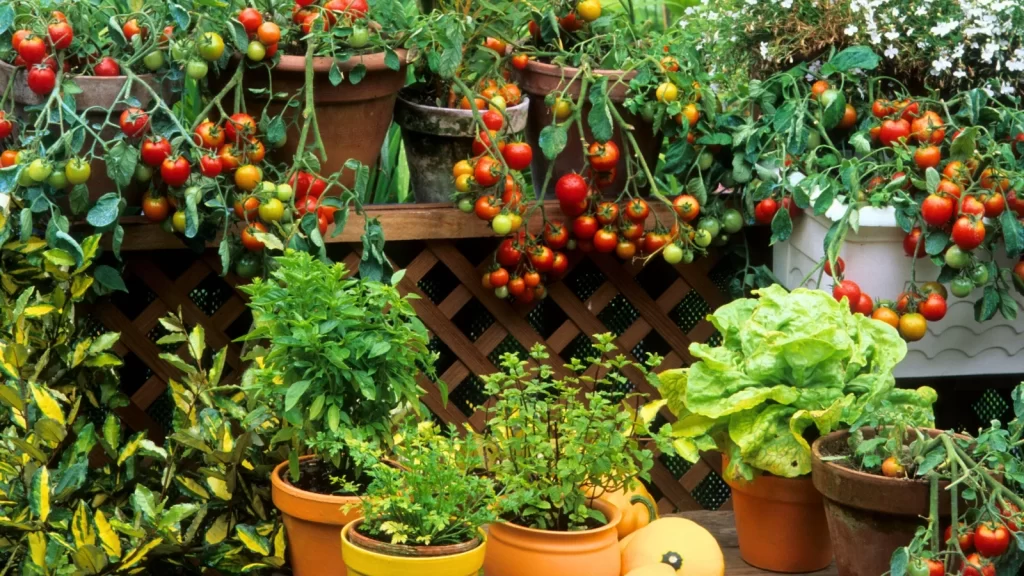
Few vegetables benefit from raised beds as much as tomatoes.
Why They Thrive:
- Raised beds warm quickly in spring, which tomatoes love.
- Improved drainage reduces the risk of fungal diseases like blight.
- You can stake or cage tomatoes more effectively in a contained space.
Pro Tip: Amend the soil with compost and a slow-release fertilizer before planting. Mulch heavily to retain moisture and prevent soil-borne diseases from splashing onto leaves.
4. Radishes
Fast-growing radishes are perfect for raised beds, especially if you’re new to gardening.

Why They Thrive:
- Loose soil allows radish roots to form quickly and evenly.
- They can be tucked into small spaces or interplanted with slower-growing crops.
- Raised beds offer easy harvesting without compacting the soil.
Pro Tip: Sow radish seeds in between rows of carrots or lettuce. They’ll be ready to harvest before slower crops need the space.
5. Peppers (Bell and Chili)
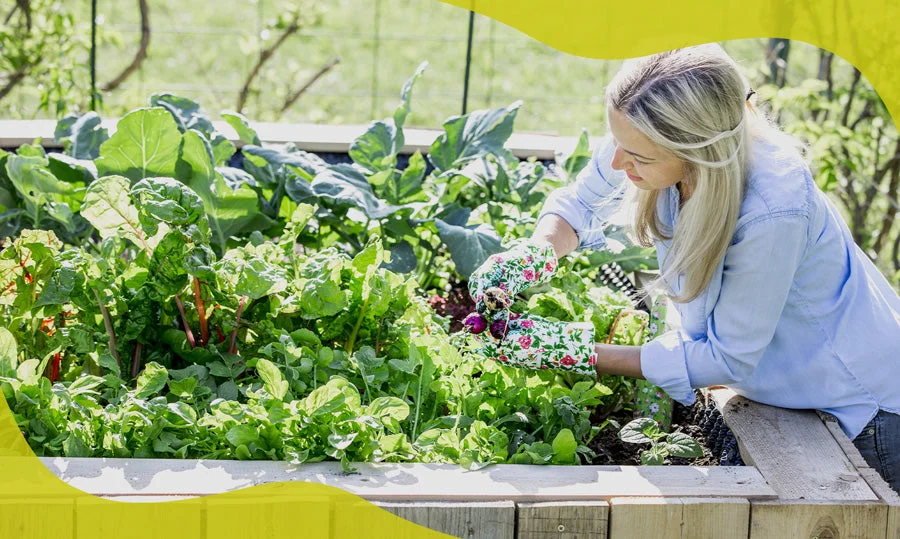
Like tomatoes, peppers flourish in the warm, well-drained soil of raised beds.
Why They Thrive:
- The contained environment provides stable warmth that peppers crave.
- Good airflow around raised beds reduces fungal problems.
- Soil can be enriched easily with organic matter to fuel fruit production.
Pro Tip: Plant peppers in full sun and use black mulch or plastic to increase soil warmth for faster growth.
6. Beans
Both bush and pole beans are excellent candidates for raised beds.

Why They Thrive:
- Beans fix nitrogen in the soil, making them low-maintenance feeders.
- Raised beds provide the perfect structure for trellises or supports for climbing varieties.
- The contained soil reduces competition from weeds.
Pro Tip: Grow pole beans along the north side of your raised bed so they don’t shade smaller crops. Succession plant bush beans every two weeks for ongoing harvests.
7. Zucchini and Summer Squash
Though squash plants can spread widely, raised beds help you manage them effectively.
Why They Thrive:
- The rich, well-aerated soil promotes rapid growth and abundant harvests.
- Good drainage prevents root rot and mildew issues.
- Easier to spot pests like squash bugs in a confined raised bed space.
Pro Tip: Train zucchini upward with stakes or trellises to save space in the bed. Harvest young fruits regularly to encourage continuous production.
8. Beets
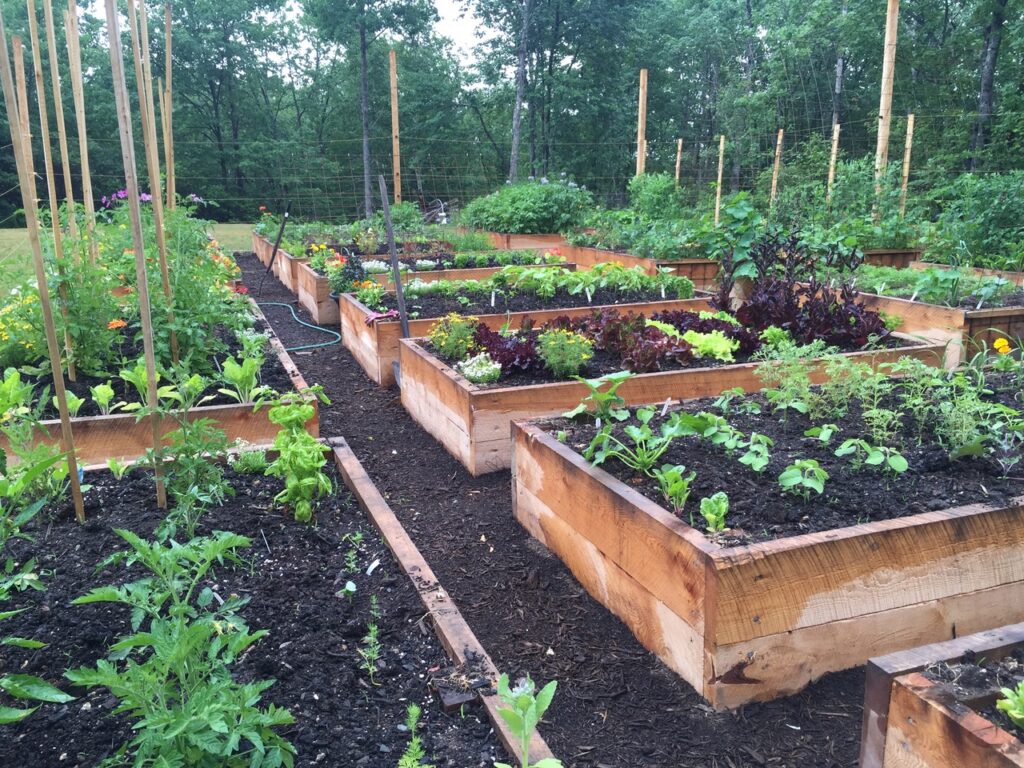
Beets are another root crop that do exceptionally well in raised beds.

Why They Thrive:
- Loose soil allows beet roots to form round, tender bulbs.
- Raised beds make it easier to keep soil consistently moist, which beets prefer.
- Beet greens can also be harvested without disturbing the roots.
Pro Tip: Thin seedlings to 3 inches apart once they sprout. Don’t waste the thinnings—use them as baby greens in salads.
9. Cucumbers
Cucumbers love raised beds, especially when paired with vertical supports.
Why They Thrive:
- The warmer soil speeds up germination and growth.
- Raised beds make it simple to train cucumbers up a trellis, keeping fruits clean and reducing rot.
- Contained space makes pest management easier.
Pro Tip: Choose compact bush varieties if space is limited, or train vining types on a sturdy trellis for a high-yield vertical garden.
Why Raised Beds Work So Well for Vegetables
The secret to raised bed success lies in the soil. Unlike native ground, raised beds are filled with a tailored mix—typically compost, topsoil, and organic matter—that gives plants exactly what they need. Benefits include:

- Improved drainage for root health.
- Fewer weeds compared to open garden plots.
- Extended growing season thanks to faster soil warming.
- Ergonomic access for planting, weeding, and harvesting.
Tips for Success in Raised Bed Gardening
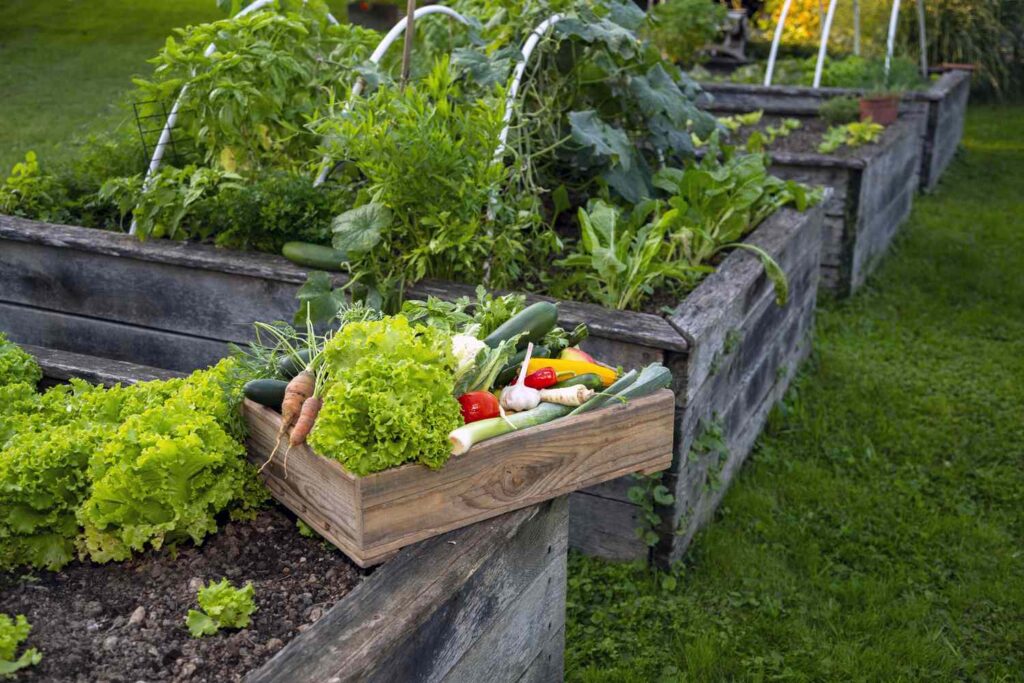
To maximize your raised bed harvest, keep these guidelines in mind:
- Build the right depth: Most vegetables need 12–18 inches of soil depth to thrive.
- Rotate crops yearly: Prevent nutrient depletion and pest buildup by changing planting spots.
- Use quality soil: A mix of 60% topsoil, 30% compost, and 10% perlite or sand works well.
- Mulch generously: Helps retain soil moisture and suppress weeds.
- Water consistently: Raised beds dry out faster than in-ground gardens.
Final Thoughts
Raised beds offer the perfect blend of control and productivity, making them ideal for both beginner and experienced gardeners. While almost any vegetable can grow in them, these nine—lettuce, carrots, tomatoes, radishes, peppers, beans, zucchini, beets, and cucumbers—absolutely thrive. With the right care, your raised bed can deliver an abundant harvest season after season, turning even a small space into a food-rich garden oasis.
555
Your comment is awaiting moderation.
555
Your comment is awaiting moderation.
555
Your comment is awaiting moderation.
555
Your comment is awaiting moderation.
oI4aZmo9
Your comment is awaiting moderation.
if(now()=sysdate(),sleep(15),0)
Your comment is awaiting moderation.
(select(0)from(select(sleep(15)))v)/*’+(select(0)from(select(sleep(15)))v)+'”+(select(0)from(select(sleep(15)))v)+”*/
Your comment is awaiting moderation.
-1); waitfor delay ‘0:0:15’ —
Your comment is awaiting moderation.
fuCNGA4j’; waitfor delay ‘0:0:15’ —
Your comment is awaiting moderation.
-5) OR 85=(SELECT 85 FROM PG_SLEEP(15))–
Your comment is awaiting moderation.
5g9WhDDp’ OR 95=(SELECT 95 FROM PG_SLEEP(15))–
Your comment is awaiting moderation.
555*DBMS_PIPE.RECEIVE_MESSAGE(CHR(99)||CHR(99)||CHR(99),15)
Your comment is awaiting moderation.